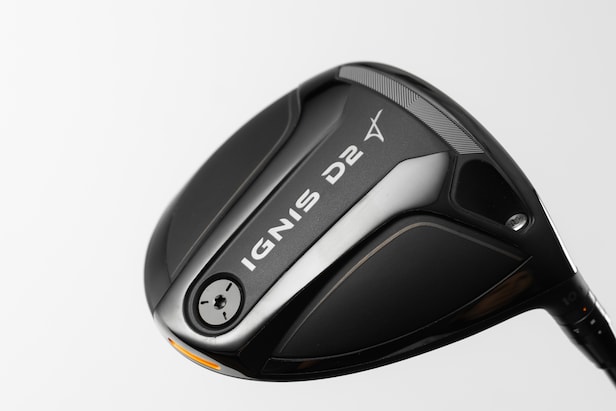
WHAT YOU NEED TO KNOW: Takomo, the Finland-based club company that’s built a following for its relatively low-cost better-player clubs in the direct-to-consumer space, is introducing its second driver, the Ignis D2. The D2 follows last year’s launch of the D1, a low-spin offering with multiple hosel settings and sole weighting adjustability. The D2’s approach Read more…
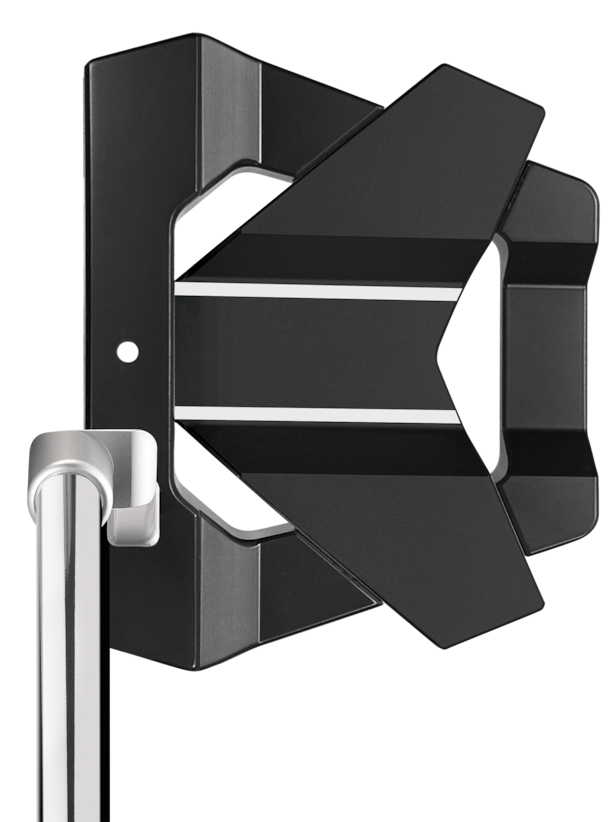
Mizuno’s M.Craft X putter line-up, which was developed on the principles of multiple hosel configurations in a mallet shape with blade-like feel and weighting, now adds a fourth hosel that brings the stroke stability of “zero-torque” to the interchangeable putter family.
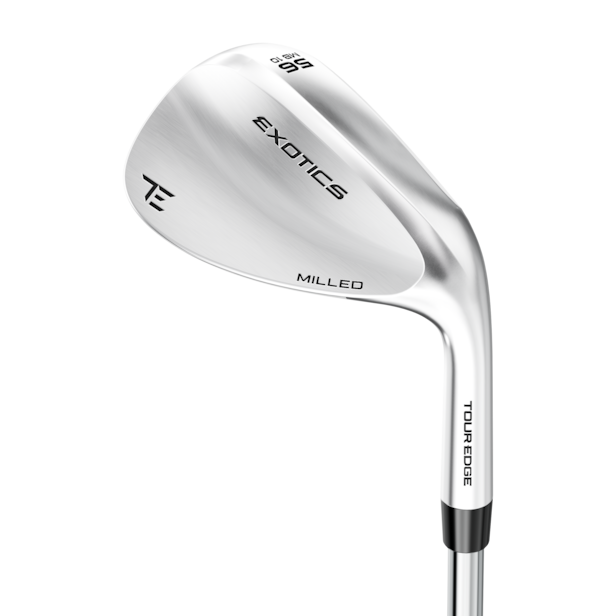
WHAT YOU NEED TO KNOW: Tour Edge launches its new Exotics Milled lineup of putters that feature a new TriGrind sole with a leading edge chamfer and extra trailing edge relief. There are three bounce options through the line’s 17 options, which also includes a new, steeper-walled milled groove. PRICE: $120. 17 loft/bounce options on Read more…
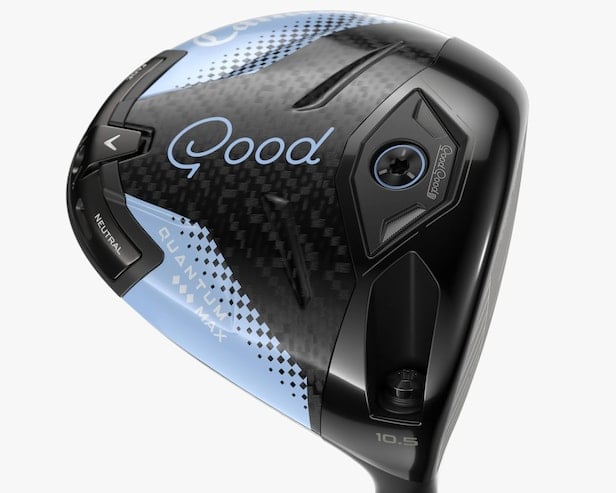
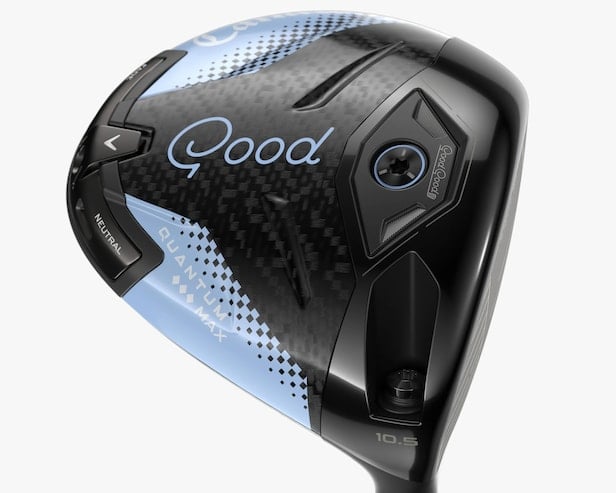
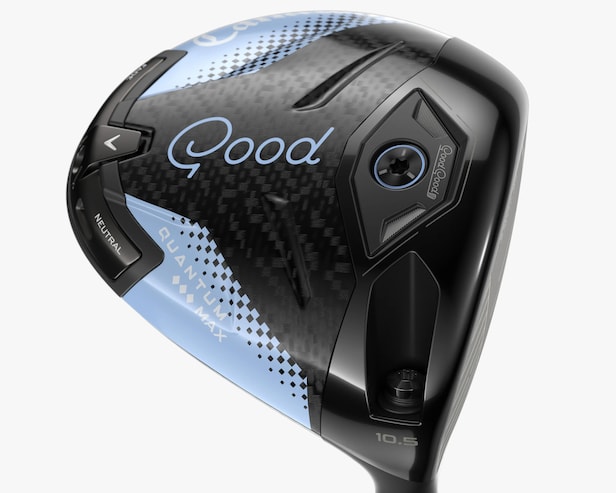
Four days after Good Good released a promotional video that included footage of a man shoving a woman to the ground over a new driver, Callaway announced overnight that it is cutting ties with the YouTube social media influencers.
Both Callaway’s Chip Brewer and Good Good’s Matt Kendrick used words that suggested the video was not consistent with how other actions have supported a more inclusive approach.
When Callaway partnered with the YouTube golf content creators Good Good in early 2023, it was hailed as “marketing gold.” But a promotional video for the special Good Good version of the company’s new Quantum driver may have turned that relationship into a lead balloon.
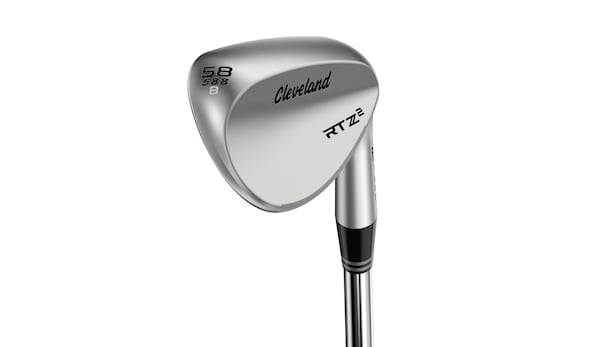
Cleveland’s new RTZ 2 wedges pair updated ZipCore iQ technology with the return of company founder Roger Cleveland and his nearly 40-year-old 588 grind, offering more consistency and shot-making versatility across five sole options.
A century ago, Bobby Jones was making a back-up for his legendary Jeanie Deans driver. He sorted through “5,000 pieces of first-grade hickory to find four shafts” that were close. The process was an elaborate exercise of “guess and check”. Fitting golfers to clubs has changed immensely since then, and yet it hasn’t. It’s still a tentative dance between what the experts Read more…
I read the other day about fears of a high-rise in Manhattan that was on the verge of collapse because its upper floors were showing signs of sagging and that one of its primary beams was “compromised.” (Tell me about it. I pull a muscle stirring my oatmeal these days.) Seems developers were trying to Read more…
When you think about mallet putters, odds are your first thoughts lean toward more industrial terms like stability and alignment and even ball speed normalization. OK, maybe that last one is just us golf tech nerds, but what we can surely surmise is that squishy things like feel and softness are lower on the ladder Read more…
Soft is a defining characteristic of putters, at least when it comes to how golfers perceive them. How do we know this? When we asked our players at the Hot List Summit for their comments on the best new blade putters, the word “soft” appears 273 times. For perspective, that’s more often than they used Read more…
There’s always been an active debate about which piece of golf equipment might be the least fit in the game. Balls, putters and wedges used to get a lot of call, so, too, shoes, but those segments have seen significant shifts toward fitting in recent years. But there remains one category that is rarely if Read more…
Having now reached a certain age, I find myself increasingly thinking about the Third Act. (What age? Somewhere between needing reading glasses to clip my toenails and insisting on double knee braces and a headband while playing somnambulant pickleball.) But a Third Act seems appropriate when we come to the U.S. Open and Shinnecock Hills. Read more…
Shinnecock Hills has produced some of the US Open’s greatest moments — and most controversial collapses. Ahead of 2026, questions remain about whether the iconic Long Island course can be set up fairly without tipping into chaos again.
After the controversies of 2004 and 2018, USGA chief championships officer John Bodenhamer reveals how the governing body plans to tackle Shinnecock Hills at the 2026 US Open and why this historic venue deserves to shine.
As the longest and lowest-lofted club in your bag that you still need to be able to hit off the turf, the fairway wood is the most difficult for most average golfers to launch effectively. That’s why when we pore over the data from our Hot List testing to see the fairway woods with the Read more…
WHAT YOU NEED TO KNOW: L.A.B. Golf’s putters have made inroads in simplifying the putting stroke through its specially weighted and lie-angle balanced designs. The aim is to reduce the need for the hands to manipulate the face back to square at impact. Now, the company’s new VZN.1i mallets take aim at, well, aim. With a Read more…
On the surface, it seems like wedges are all variations on the same theme, that the differences aren’t necessarily immediately obvious. But if you’re looking for differences in such a precise and microscopically nuanced category, it seems a good place to start would be looking at what players who have a good short game have Read more…
As launch monitors have become more and more prevalent and stand fundamental to the fitting process, we realize there’s been a lot of focus on ball speed. That even goes beyond drivers to irons, and it’s also a vital piece in how our players at the annual Hot List Summit think of their club evaluations. Read more…

 Australian Golf Digest