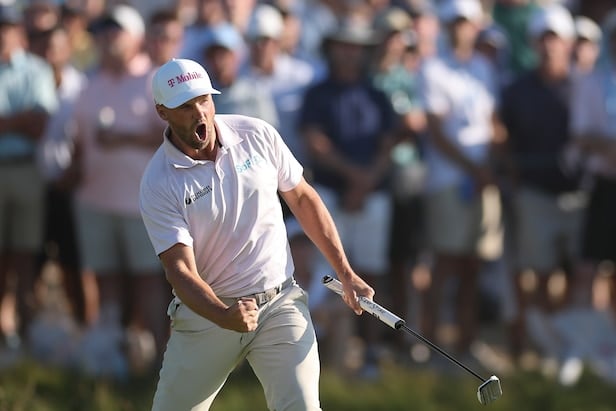
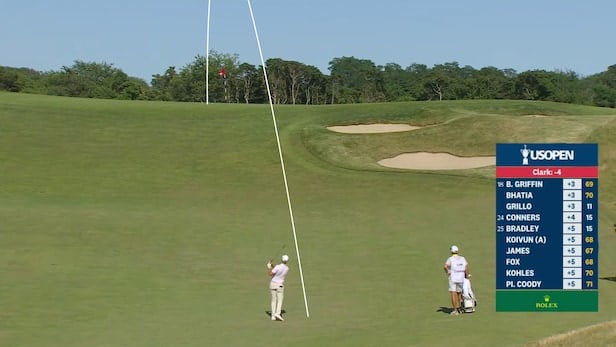
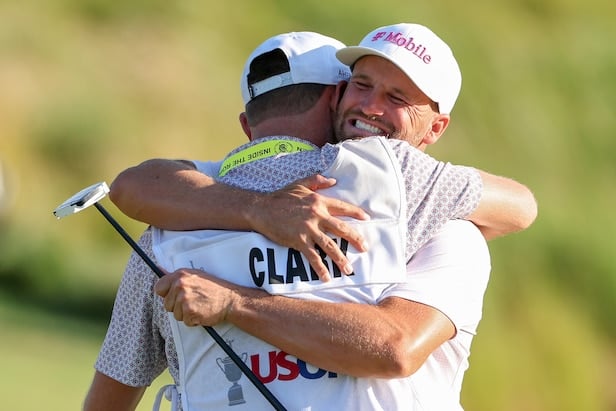
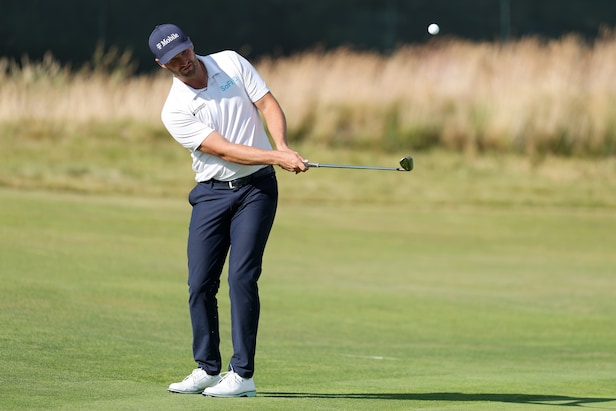
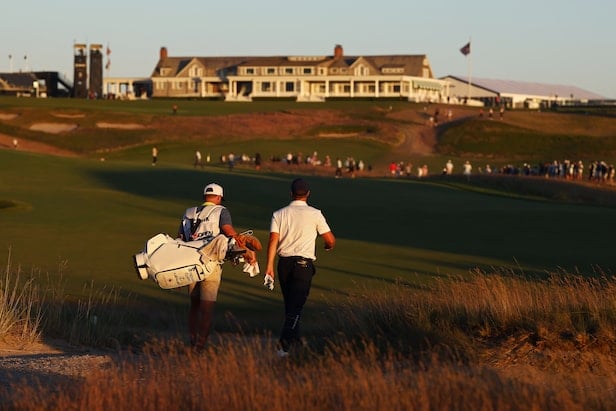
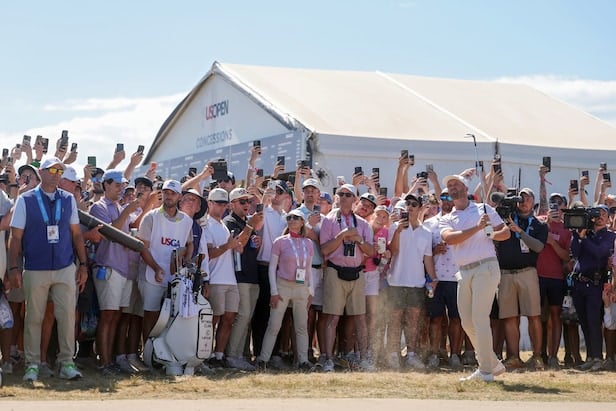
Wyndham Clark walked into Shinnecock on Sunday as the villain. He left as the champion. An in-depth look at the man, the crowd and one of the most compelling final rounds in recent major history.
Wyndham Clark claimed his second U.S. Open title with a standout performance from tee to green. Here’s a complete look at the clubs and golf ball he used to win at Oakmont.
Wyndham Clark wasn’t just playing against the field on the final day at the US Open. He had to hold his own against a vocal and partisan crowd at Shinnecock Hills that had not just been rooting for his rivals but also cheering against him.
Kiwi Ryan Fox will carry the hopes of the entire Australasian region after the Aussie contingent created an unwanted slice of history at the US Open in New York.
The potential is there for a fantastic weekend at this US Open. Unfortunately for some of the best golfers in the world, they weren’t ready for the exam.
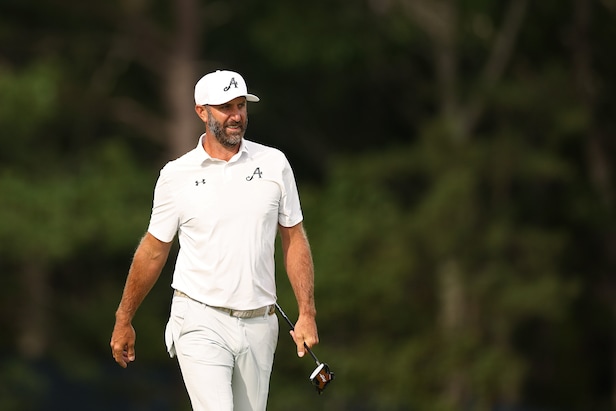
It’s tempting to view Dustin Johnson as a figure of golf’s past. For moments during the first 36 holes at Shinnecock Hills, however, the laid-back American has shown glimpses of his best.


 Australian Golf Digest