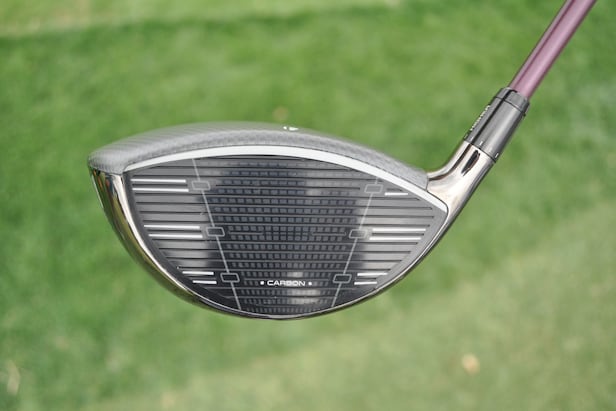
If you’re serious about finding the right driver for your game, one metric deserves more attention than it usually gets: consistent spin rates across the face.
As an equipment writer, this is going to sound sacrilegious, but I’m going to say it anyway: There are ways to gain distance without having to spring for a new driver.
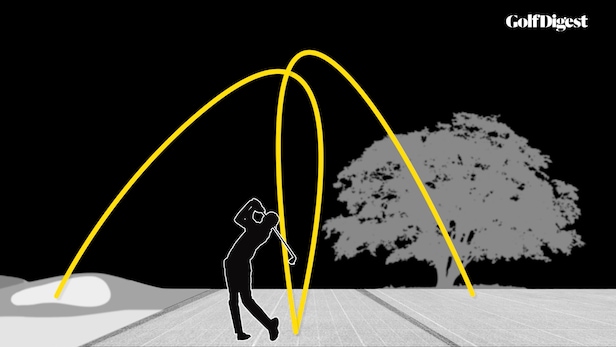
The majority of golfers play a slice off the tee, costing themselves valuable distance. The ball’s significant movement from left-to-right in the air (for right-handers) decreases distance due to the excessive amount of sidespin.
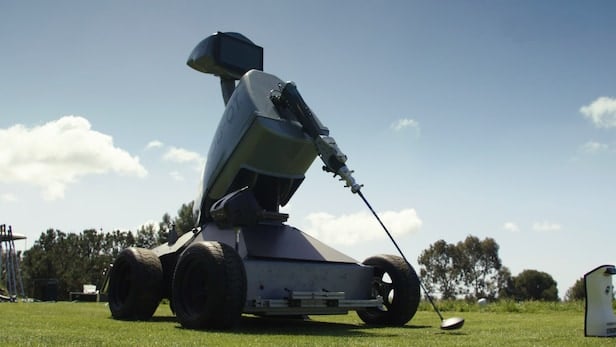
One of the benefits of independent robotic testing is its ability to validate insights that might initially seem implausible. For example, the most forgiving driver in this year’s crop (at 95 mph/152km/h) was actually a low-spin model — Ping’s G440 LST.
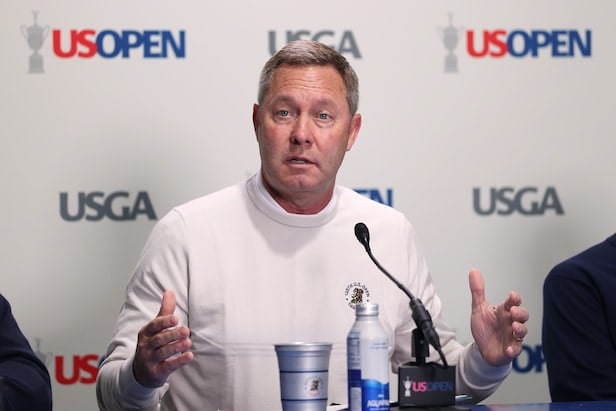
Asked if pushback from within the sport could cause the USGA to reconsider its plan and make adjustments before 2028, CEO Mike Whan reiterated they were “full-speed ahead on what we’ve announced.”
Asked if pushback from within the sport could cause the USGA to reconsider its plan and make adjustments before 2028, CEO Mike Whan reiterated they were “full-speed ahead on what we’ve announced.”
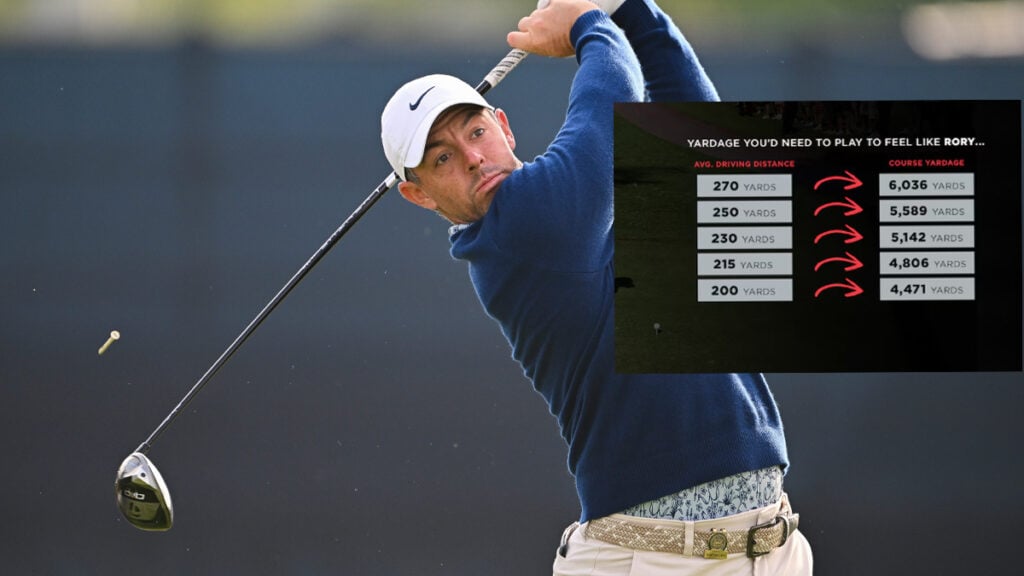
If the Bomb and Gouge era of the past decade was all about maximising driving distance at whatever cost, the new Speed-Plus era is more thoroughly informed by statistics.
Chasing more distance is something all of us should be doing, basically all the time. But while the benefits are clear, there are also a few ways it can backfire if you approach the task incorrectly.
Augusta National Golf Club chairman Fred Ridley expressed support for the findings of the USGA and R&A’s distance report, which notably called the trend of increasing driving distance “detrimental to the game.”



 Australian Golf Digest