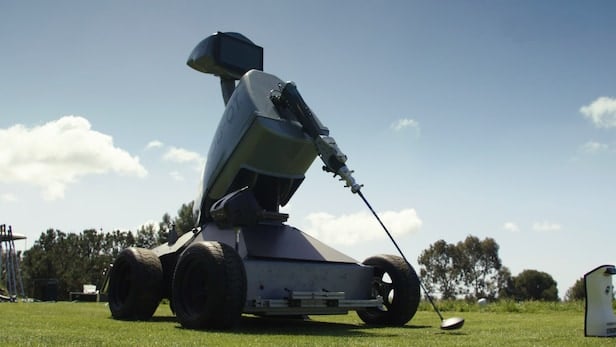
How far would Tiger have hit it in 2000 if he’d had access to today’s technology? To find out, we ran a full robot test at Golf Laboratories with Tiger’s drivers and balls covering 25 years of innovation.
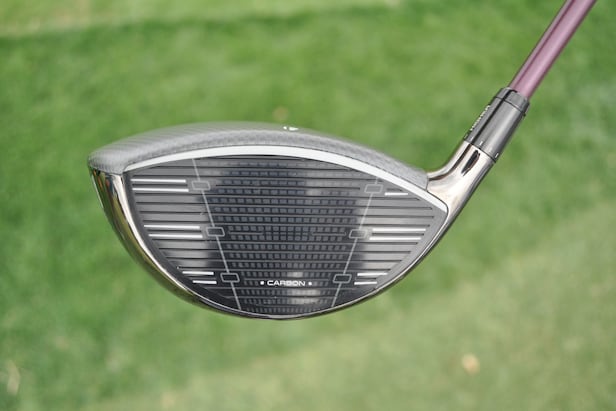
If you’re serious about finding the right driver for your game, one metric deserves more attention than it usually gets: consistent spin rates across the face.
As an equipment writer, this is going to sound sacrilegious, but I’m going to say it anyway: There are ways to gain distance without having to spring for a new driver.
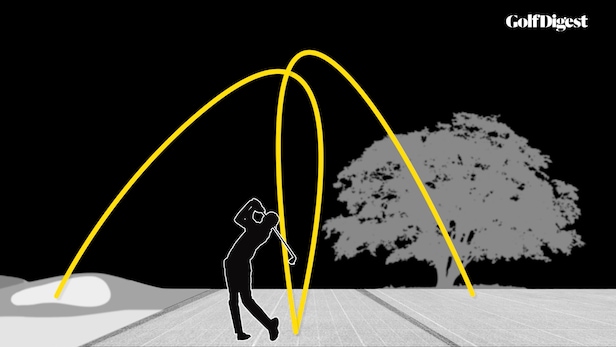
The majority of golfers play a slice off the tee, costing themselves valuable distance. The ball’s significant movement from left-to-right in the air (for right-handers) decreases distance due to the excessive amount of sidespin.
The bigger issue is with those who don’t choose to play balls legal under the new rules. That includes LIV Golf, which likely would do anything to increase its entertainment proposition, but it also could involve the recreational golfer.
Asked if pushback from within the sport could cause the USGA to reconsider its plan and make adjustments before 2028, CEO Mike Whan reiterated they were “full-speed ahead on what we’ve announced.”
Asked if pushback from within the sport could cause the USGA to reconsider its plan and make adjustments before 2028, CEO Mike Whan reiterated they were “full-speed ahead on what we’ve announced.”
Chasing more distance is something all of us should be doing, basically all the time. But while the benefits are clear, there are also a few ways it can backfire if you approach the task incorrectly.



 Australian Golf Digest