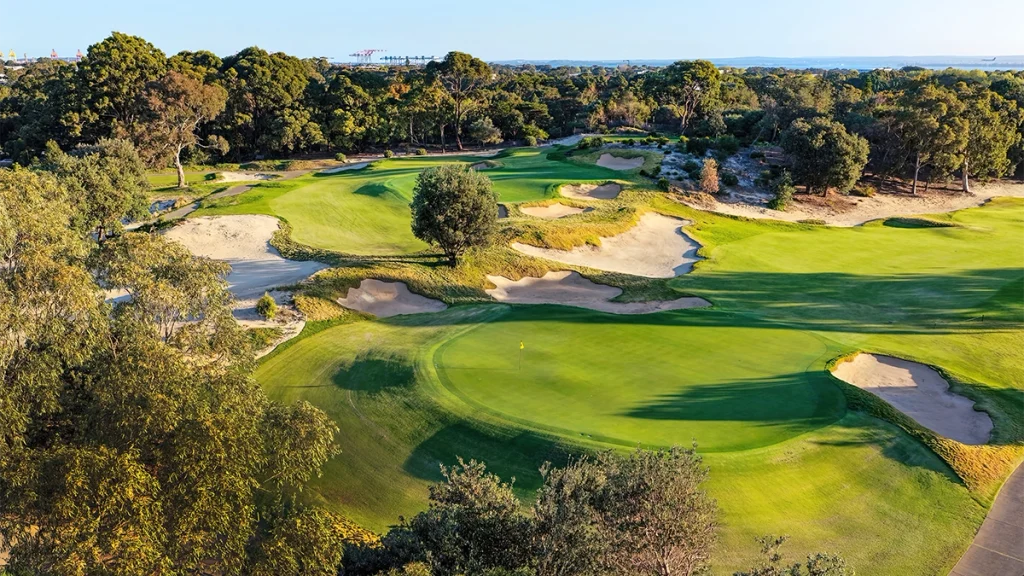
After two days of grumbling that the setup lacked teeth, Shinnecock Hills and the USGA found their nerve, leaning into everything the course is capable of, and perhaps announcing what the final day intends.
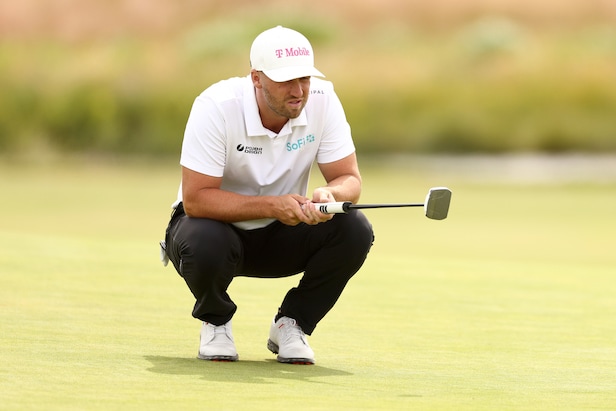
On a day marked by Clark continuing to pour in clutch par putts, he had a chance to go on the offensive on the par-5 16th. And, boy, did he take advantage.
As well as joining a roll of honour of considerable distinction, Grehan’s success also earned him an exemption into the 154th Open at Royal Birkdale next month, the 2027 US Open, and, by tradition, an invitation to play in the Masters Tournament.
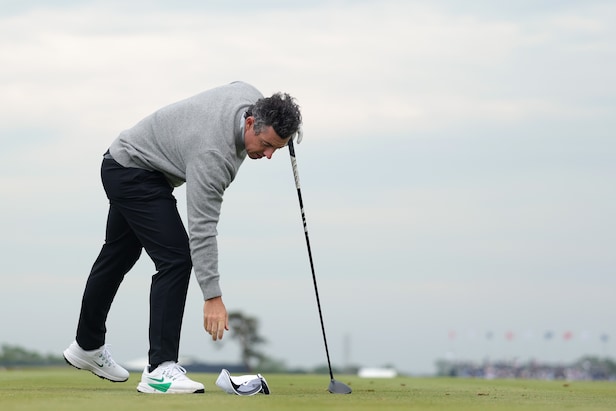
The same golfer who unloaded on a locker at Oakmont, and weeks earlier hurled his driver in anger at the PGA Championship, can also be the golfer faithful to his work with a leading sports psychologist. It’s no different than a golfer who has worked diligently on their putting, but is still prone to the occasional three-putt.
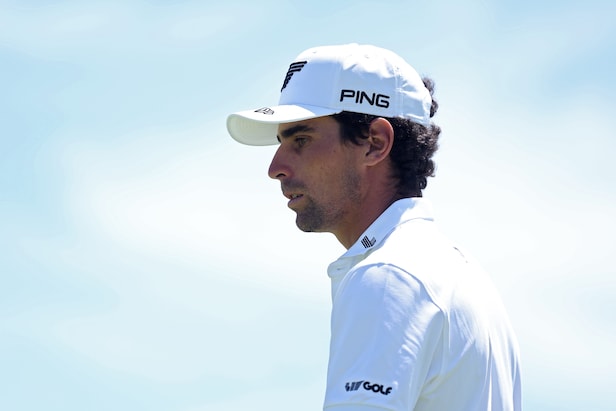
Joaquin Niemann was assessed a two-stroke penalty in the first round of the US Open for “serious misconduct” at the par-4 sixth hole at Shinnecock Hills.
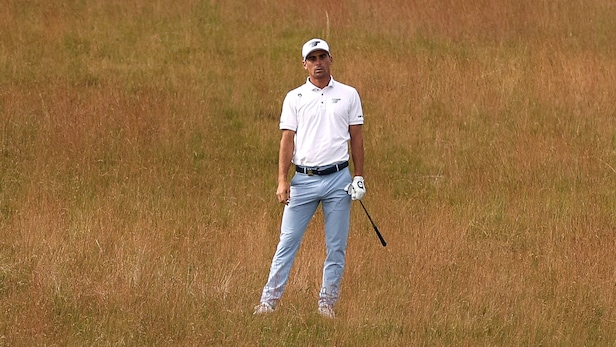
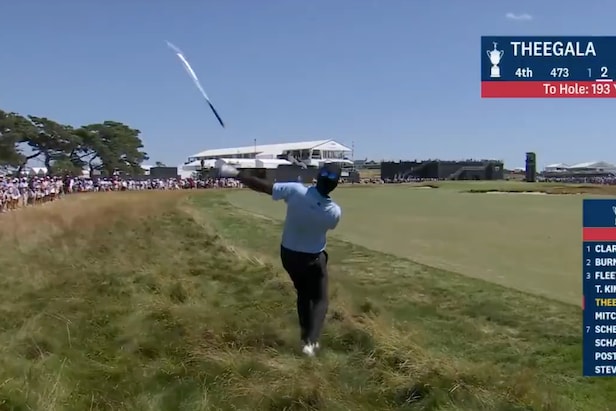
A two-pronged tangle with Shinnecock Hills’ ferocious fescue left a bruise on Adam Scott’s first-round scorecard as he officially made it 100 consecutive majors at the US Open in New York.
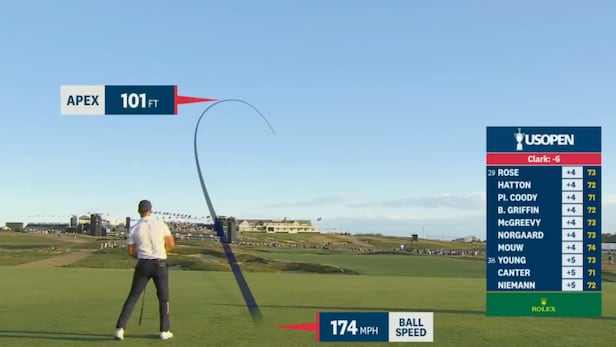
Wyndham Clark was six under through 16 holes and four shots clear of the field at Shinnecock Hills after round one, helped by calmer winds in the afternoon wave. The former US Open champion is in prime position heading into round two.
Wind dominated round one at Shinnecock Hills and the numbers tell a wild story. From tee shots travelling 121 yards further downwind than into it, to the seventh green repelling two thirds of the field, here are five ways the conditions shaped day one at the US Open.


 Australian Golf Digest