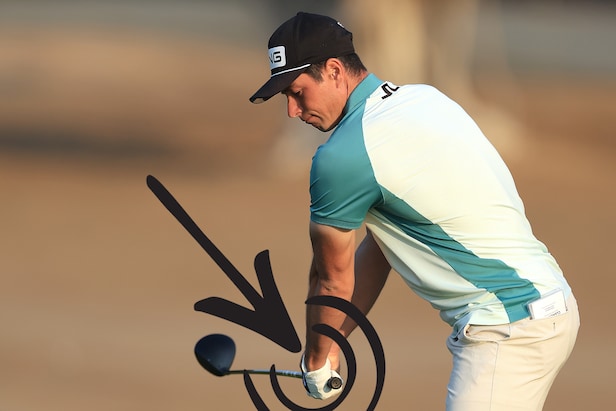
One common mistake golfers fall into with their takeaway is using too much of their body to get the club going, which causes them to sway and wobble and all sorts of things.
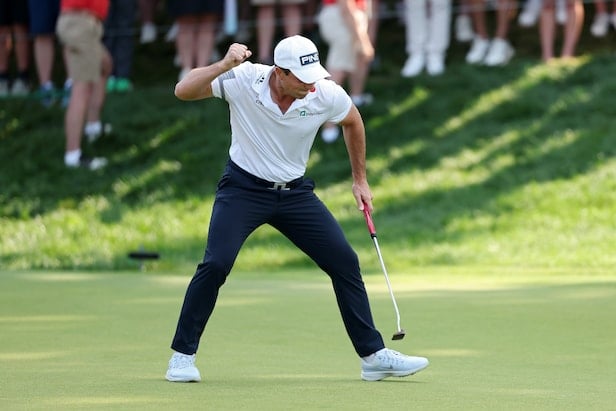
In took 73 holes, five days and a little help from Scottie Scheffler (and Mother Nature), but Hovland is the winner of the 2026 Travelers Championship.
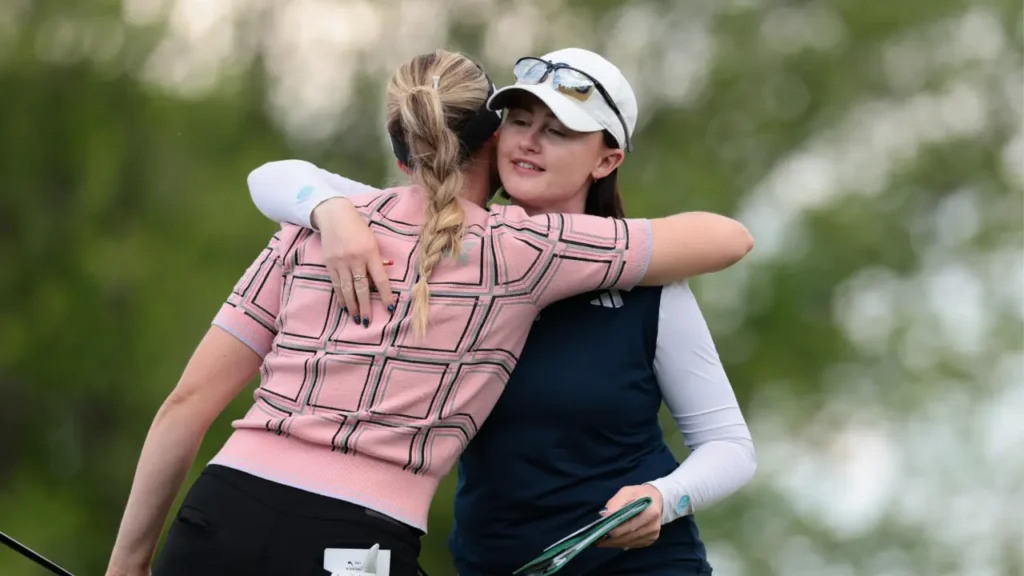
Karis Davidson has continued a strong run of form, recording a career-best major finish with a tie for 12th at the KPMG Women’s PGA Championship as South Korea’s Haeran Ryu secured her first major title at Hazeltine National Golf Club.
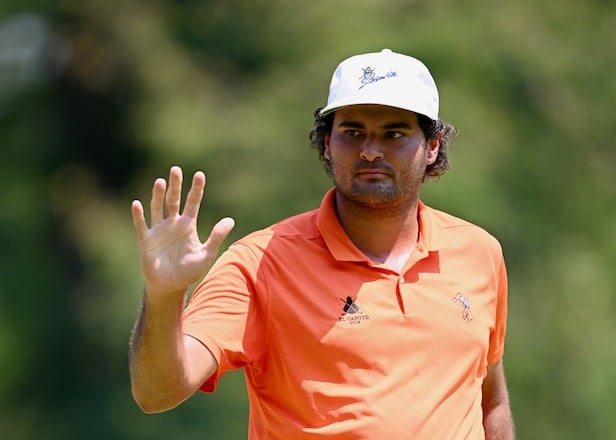
There’s a strong chance golf fans will be watching Chacarra’s relentless brand of golf on the PGA Tour next year after towering Spaniard walloped the field at the Italian Open on Sunday to collect his second DP World Tour title in three weeks.
Karis Davidson has posted the lowest round of her LPGA Tour career to sit just two shots off the lead after day one of the KPMG Women’s PGA Championship.
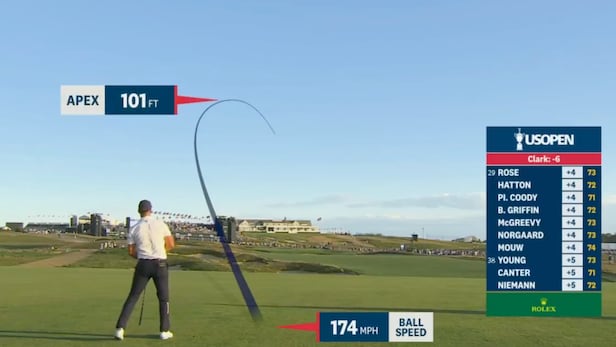
On a day marked by Clark continuing to pour in clutch par putts, he had a chance to go on the offensive on the par-5 16th. And, boy, did he take advantage.
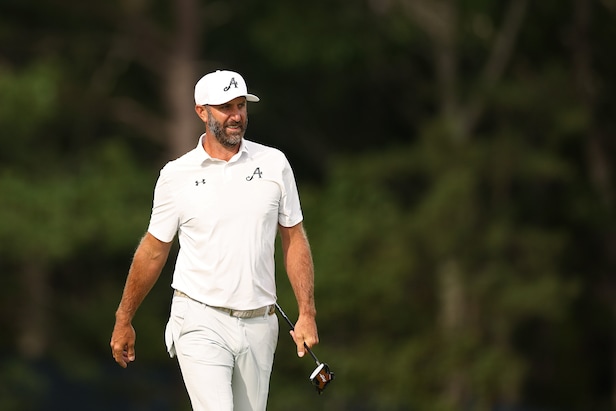
It’s tempting to view Dustin Johnson as a figure of golf’s past. For moments during the first 36 holes at Shinnecock Hills, however, the laid-back American has shown glimpses of his best.

 Australian Golf Digest