Like a Melbourne Cup field bunching up at the final bend at Flemington in November, 30 players will start the final round at Aronimink Golf Club within five strokes of the lead, 29 of those separated by just three strokes.
Nothing about this course has been predictable except its unpredictability, and the morning’s rogue wave giving way to afternoon carnage has set the stage for a heady brew of final-round chaos.
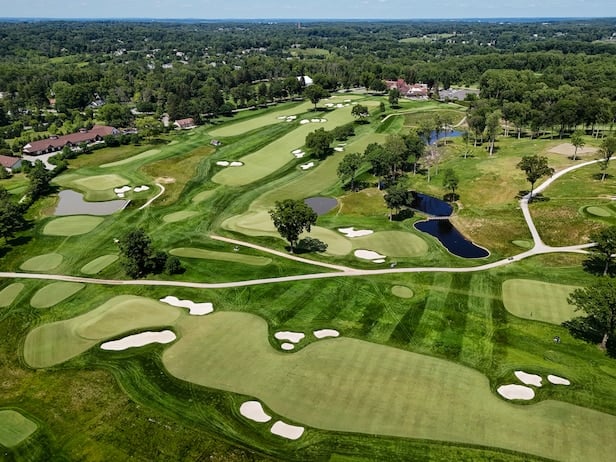
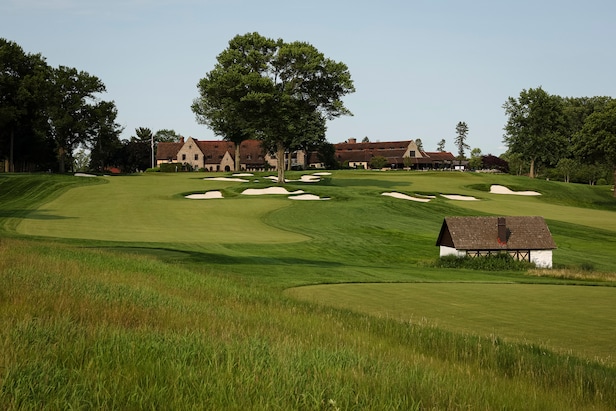
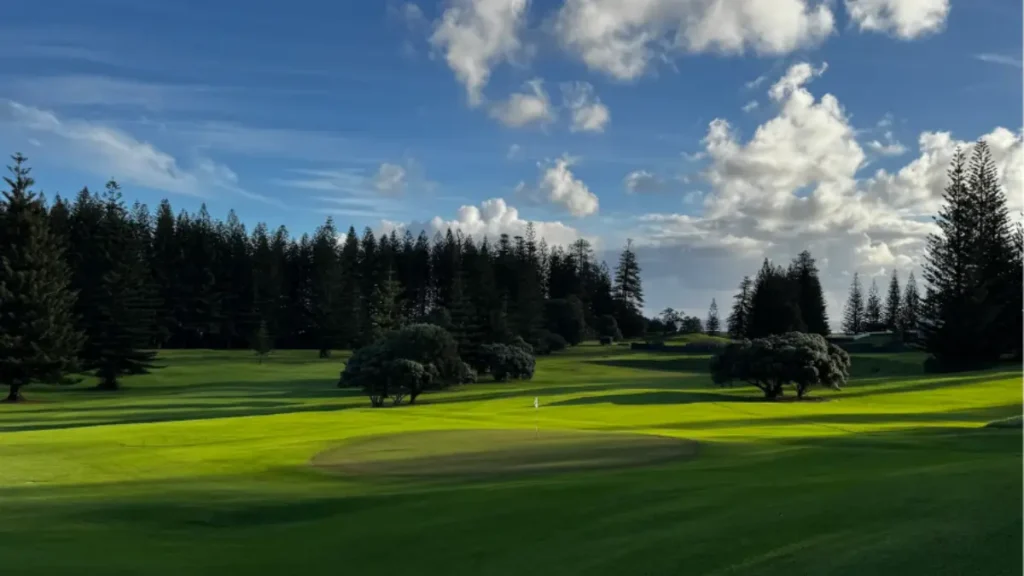
For a century, Aronimink’s trees were the ballast, keeping the elite ball-strikers honest. Without them, what remains is a masterpiece that is gorgeous to look at, meticulously restored, and quite possibly ready to be dismantled by a field that hits it 310 metres and hasn’t feared a tight tee shot in years.
Aronimink’s history poses a philosophical question for architects and old clubs: should designers honour and resurrect the course that the original architects drew, or are they better off restoring the features that were actually built?
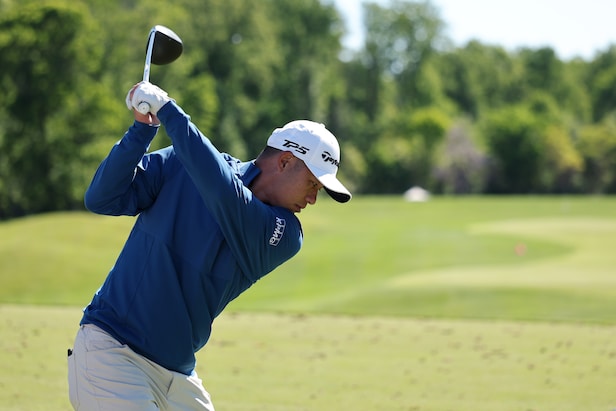
The two-time major champion spoke to the media on Tuesday at the PGA Championship, and before Morikawa took questions admitted that his back problems are lingering.
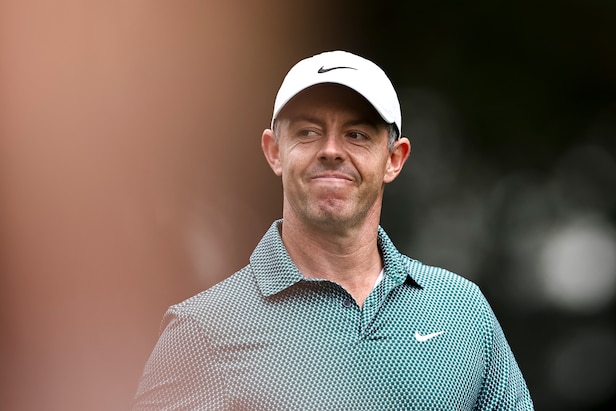
Rory McIlroy once advocated for the PGA Tour to make a deal with Saudi Arabia in the throes of professional golf’s civil war. He’s now glad he was misguided.



 Australian Golf Digest