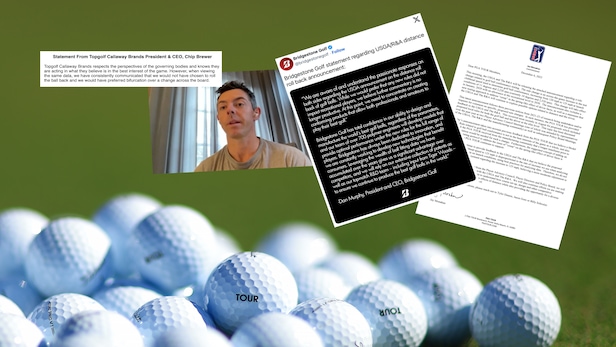
The announcement comes after what tour sources tell Golf Digest was a passionate meeting between players, USGA representatives and the tour on the subject at a recent tour event.
During his press conference on the eve of the 90th Masters, Augusta National chairman Fred Ridley provided perhaps his most full-throated support of the R&A and USGA’s decision to roll back golf ball distance.
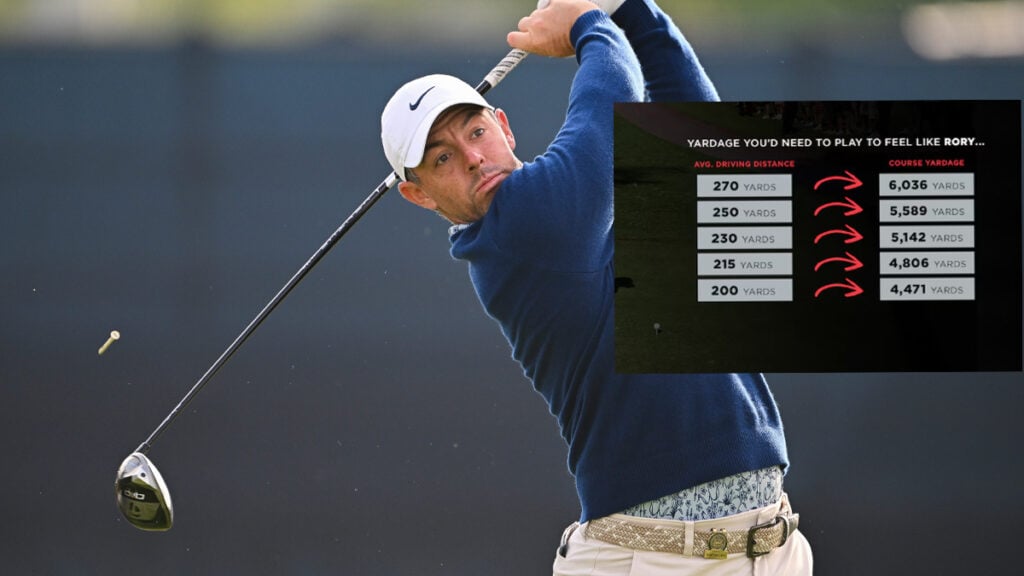
The USGA announced this week that after seeking comment on changing the implementation date for the new testing rule that could initially reduce elite driving distance by 15 yards, it is in fact now proposing that the rule not go into effect until 2030.
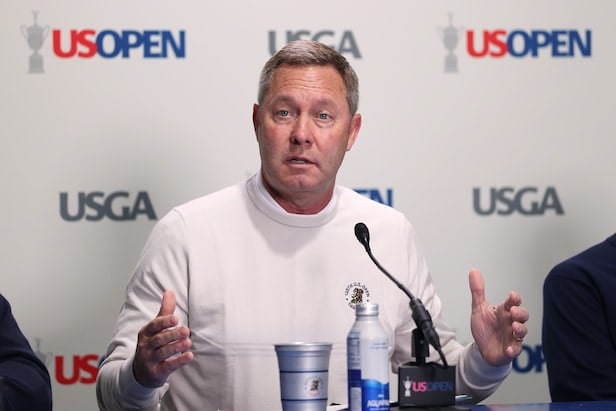
While golf’s ruling bodies mull over whether to delay the timeline for the start of the golf ball rollback, USGA chief executive Mike Whan indicated that the rulemaker has been collaborating with manufacturers to study prototypes to clarify exactly what these new shorter golf balls will and won’t do.
The decision by the R&A and USGA to revisit the timeline for the ball rollback, and the timing of the announcement on the Friday before the annual PGA Show in Orlando, was not a coincidence.
This latest announcement indicates that golf’s ruling bodies are considering comments to do away with the two-year interim period, implementing the rollback rule for both elite golfers and average golfers starting in 2030.
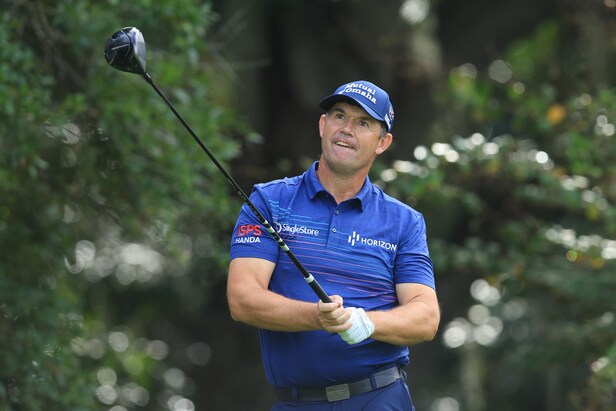
Amid a tidal wave of scorching hot takes after the R&A and USGA announced a universal golf ball rollback last week, there was Padraig Harrington shining like a beacon in the night.
Thomas Pagel, chief governance officer for the USGA, spoke to Golf Digest on the topic of why the decision to include a rollback for all levels of golfers.
Tom Mase and Martin Brouilette have spent hundreds of hours studying various scientific areas in golf, but neither can yet say with certainty how the rule change announced overnight by the R&A and USGA will affect golfers, especially those on the recreational side.


 Australian Golf Digest