A management shift for a small, nine-hole golf course in suburban Sydney could signal an opportunity for more New South Wales golf clubs to secure their futures.
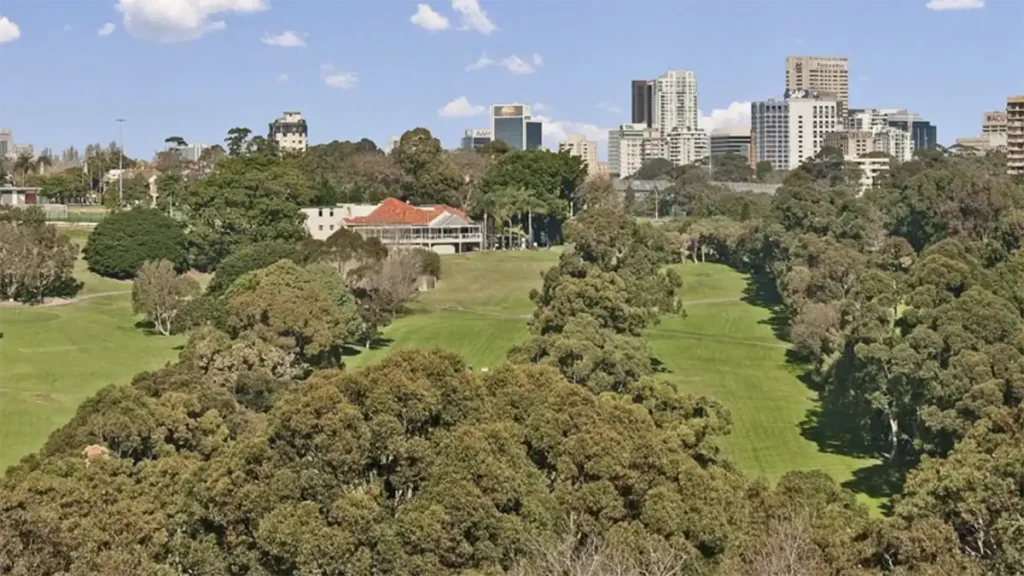
In June, the NSW Government appointed Golf NSW as the official Crown land manager of Cammeray Golf Club [pictured], which sits just a kilometre or two from Sydney Harbour and the CBD. The move instantly safeguarded the 120-year-old club’s outlook after a period of conjecture about North Sydney Council’s intentions for the site.
RELATED: Bingara Gorge Golf Course acquired by Golf NSW in landmark deal
In a situation that differs vastly from other states, 42 percent of NSW is Crown land, which places 165 golf courses on Crown land across the state. As such, Golf NSW is in a position to protect more clubs across its jurisdiction.
“It’s part of our strategic plan in essentially supporting our member clubs,” Michael Medway, chairman of Golf NSW said this week. “A good proportion of our golf clubs across the state are on Crown land, so it’s a key pillar that we need to make sure that those leases are retained and the golf clubs can get the best deal. We’ve always supported golf clubs in the negotiation with Crown Lands, but the opportunity for us to become a Crown land manager became a conversation with the Crown Lands department.”
Cammeray was the first club on Crown land to come under Golf NSW management, and recently the Crown land management of Wee Waa Golf Club was also assigned to Golf NSW. Medway has no doubt that other clubs will soon follow.
“There’s a strategy we’ve got around the different tiers around Crown land managers and what that means from a governance perspective,” Medway says. “We have ambitions to be a tier-one Crown land manager, but we’ll work through these early scenarios initially as a tier two Crown land manager. We’ll work through these early scenarios that we’ve got, and then work in closely with Crown Lands through the relevant governance and controls that need to be in place to move through to Crown land manager at level one and then have more clubs come on board.”
RELATED: ‘We’re doing a whole lot of things in the sport that we don’t see the national body doing’
Central to concept is how the money generated by the golf club stays within that club.
“The ultimate driver is around being that Crown manager and making sure that the facility is the best it can be. But more importantly, the rent that the golf club pays to the Crown is invested back into the facility and not into netball courts, tennis courts and cricket fields as is currently the case with many local councils that manage golf-course land. So it’s allowing the investments to go back into the facility, which is a key pillar of that Crown-land strategy.
“And the money that the golf club pays goes back into the golf club. It can be invested in practice nets, it can be invested in upgrade in cart paths, it can be invested in upgrade in that facility. As part of being a not-for-profit, it’s about re-investing back into the club. The money that the golf club pays in rent stays allocated to that golf club for investment into infrastructure.
“That’s where it benefits the local golfer at his or her club, because the money’s not going to look after a cricket pitch or a tennis court; the money’s going back into the golf club.”
Medway says Golf NSW is eager to help other clubs on Crown land.
“We’d love to have that conversation. The board and the organisation, through Stuart Fraser – Golf NSW’s chief executive – have done great work in working with Crown Lands. We’re grateful to Minister for Lands and Property, Steve Kamper and Crown Lands for their foresight and allowing continuity of these leases, but also for the investment in the sport.”