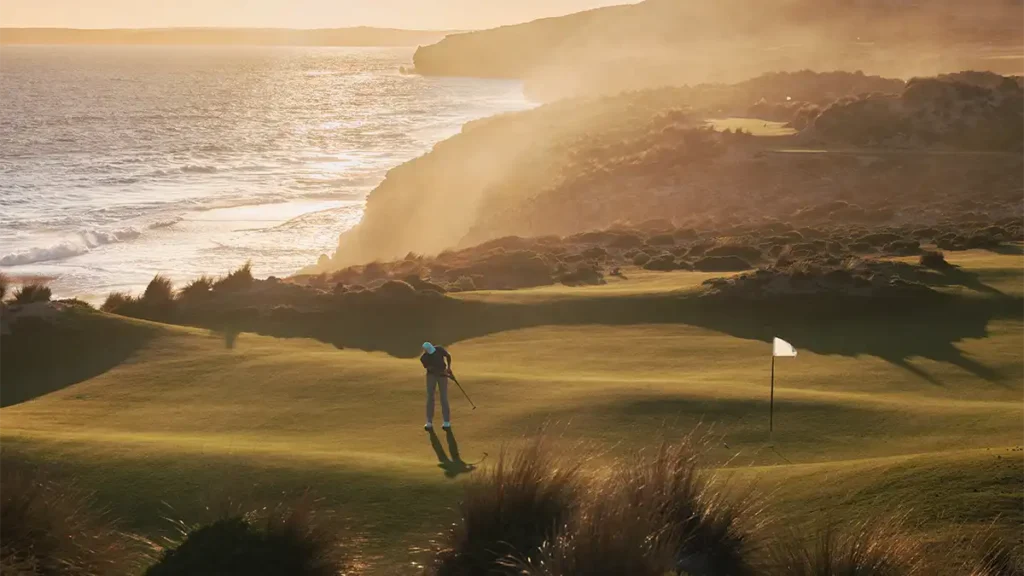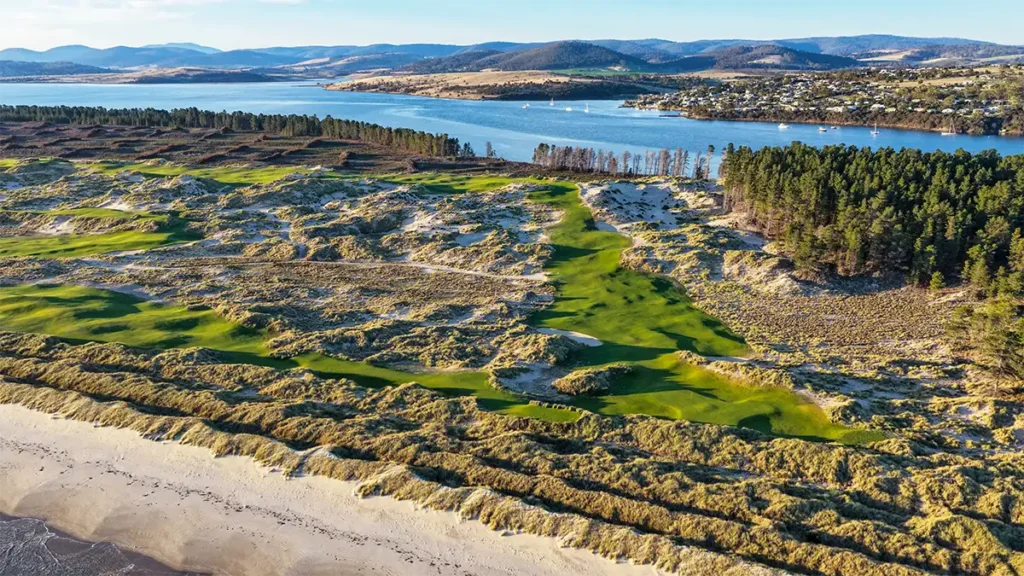
[Photo: Gary Lisbon]
Earlier this week we released the latest edition of Australian Golf Digest’s biennial Top 100 Golf Courses ranking, marking the 40th anniversary of the inaugural list. With that, we conducted a ‘push’ on social media to generate exposure and spark conversation.
RELATED: Back with a vengeance
Within one such Facebook post, an inevitable question arose. It surfaces every time we publish the ranking; it’s really just a matter of how long it takes to do be asked. As always happens, one follower lamented the supposed inaccessibility of many top-ranked courses on the list.
“It is all good to look at a course and rate it as a No.1 course,” Richard Thomas’ post began, “but unless you can actually play it and see what the course is like – it is very hard to get on some of these very nice courses because you have to be a member and not all of us have got that sort of money. I think it is a shame that not everyone can play all these beautiful courses like Kingston [Heath], Royal Melbourne and so on and so on.”
RELATED: Top 100 Courses ranking – 40 years at the top
We’ve heard it before. And it’s true that private courses are, by their very definition, private. They’re just not as private as you might think…
Rival publications have published rankings of what they call public-access courses, partly to provide a rundown of courses where the average golfer can play without restriction. Years ago, we did it too. However, there’s a couple of inherent problems attached to the concept.
Firstly, how do you decide what’s public access and what isn’t? As in, how accessible does a course need to be to be classed as ‘public access’? Is it four days per week? Is it 50 percent access on weekends? More? As grey areas go, it’s like the sky over London on a winter’s day.
RELATED: Top 100 Courses – the bits the scores and final ranking DON’T reveal
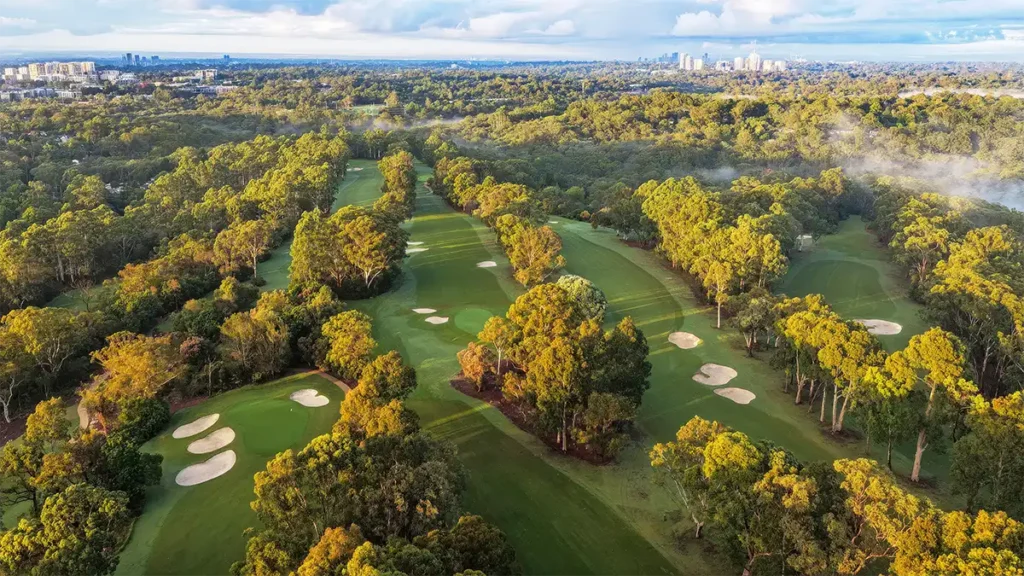
The next problem is: many supposedly inaccessible courses are actually quite accessible. Want to play Royal Melbourne [pictured] as a non-member? You can… providing you go through the right channels. It might cost you a pretty penny and you might be asked to tee off at 7am on a Thursday, but it can be done. The same can be said of many other high-ranking courses that go by the moniker “private” in most golfers’ eyes.
So if you were to compile a true public-access list for Australian golf courses, it would be missing only about five courses from the regular ranking.
Which is why our ranking will always be about course quality rather than accessibility.
For those readers unable to access the links in this article, that’s because they are from the current issue. Links won’t become visible to all until the June issue goes on-sale in late May. Or, to read them now, you can access a digital subscription here.