Why better vegetation and improved biodiversity is the logical new ground for golf courses.
Assumming all goes to plan in your round of golf, you don’t often venture into the parts of the course this column addresses. I’m talking about the out-of-play areas – the thick stuff, or as a friend of mine refers to it, “the boonta” (a phrase that might confuse our South Australian readers when applied to golf).
In appraising golf courses, we tend to focus heavily on the playing corridors between tees and greens, and comparatively little on the rest of the property. But that’s changing.
In this issue, we present our biennial Top 100 Golf Courses ranking. Officially spanning 2026-2027, it was compiled throughout 2024, 2025 and the early part of this year. It marks the 40th anniversary of the ranking initiated by the late Phil Tresidder in 1986 and will once again spark discussion and debate at golf clubs across the country. However, it might be only the second most important feature of the issue.
A few pages on, Evin Priest delivers a comprehensive summary of the “Untold story of vegetation in golf”. He outlines how indigenous vegetation can unlock greater harmony between Australian golf courses and their surroundings.
I’ve long felt that golf doesn’t do enough to share its positive biodiversity stories with non-golfers. It’s easy for those outside the sport to assume golf courses are environmental menageries. They’re wrong, but the reason for the misconception is partly our fault. One area where we can shift perceptions is biodiversity.
Beyond being a veteran course architect, Harley Kruse, whom Priest spoke with in compiling his feature, has become a go-to figure in caring for the parts of golf courses many overlook [see panel]. He is fond of saying the maintenance onus for golf clubs extends well beyond the 18 playing lanes to include “everything inside the fencelines”. Kruse gave me a guided tour of this philosophy a few years ago during a stop on the PGA Tour of Australasia.
As the field tackled the course, Kruse and I traipsed through foliage behind one tee near the club’s boundary. “See that?” he asked, pointing out a particular species. “That’s exotic,” he’d add before marching on to identify another genus he felt didn’t belong. He pointed his finger often that afternoon, though not at the layout. Instead, Kruse used the happenstance of our location to illustrate how golf clubs – even the most well-resourced ones – can do more.
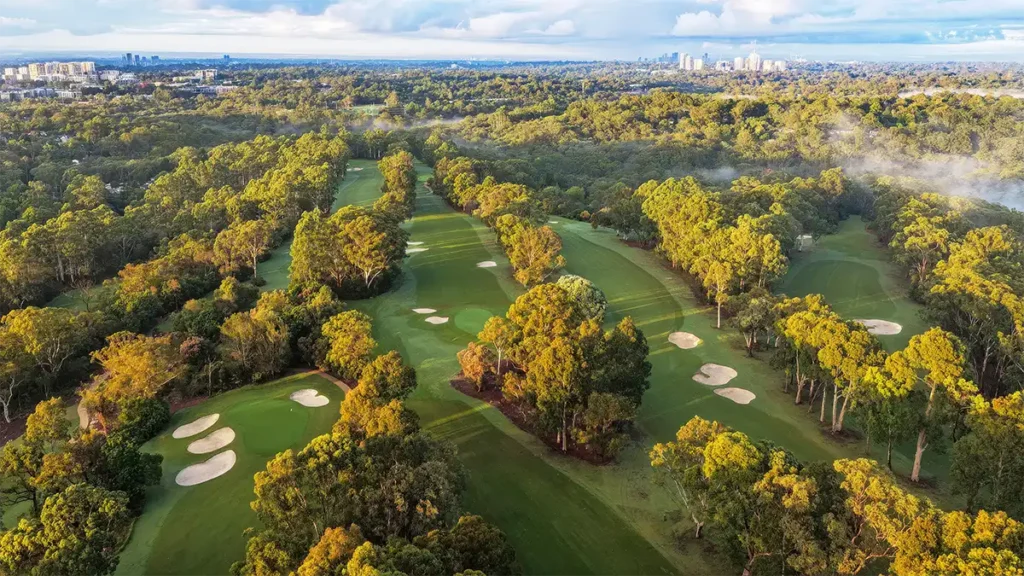
Doing more in this space has been a theme across leading Australian golf courses in the two-and-a-half years since that ‘expedition’. Consider Royal Sydney, Huntingdale and Mount Lawley golf clubs – to choose just three examples from three different cities. Each one is returning to our Top 100 ranking after a deliberate absence during their redesign projects and each is now a more biodiverse property as a result and will only become more so. At Royal Sydney’s Bay course, for example, Kruse is overseeing an extensive vegetation program that is set to be completed by the end of this year but will flourish forever.
Elsewhere in this issue, we hear from Richard Forsyth, who will leave his post as Royal Melbourne’s director of courses at the end of June. At even the pinnacle of Australian golf courses, there is still work to be done.
“Vegetation restoration is a big focus – trying to restore the plant community that belongs to the land here is what we want to promote and preserve,” Forsyth says.
In what feels like a timely convergence in a period when rising fuel prices are a concern, it’s intriguing that golf’s new focus lies in areas where operating machinery isn’t a prerequisite.
Where this new trend leads remains to be seen. Yet I’m reminded of Richard C. Blake’s words from 1971, when the then-president of the Golf Course Superintendents Association of America said, “Golf courses are proof that mankind can improve upon nature.” He was right 55 years ago, and that sentiment holds up today. More people outside our sport should know it.
Top 4 Australian golf courses for biodiversity
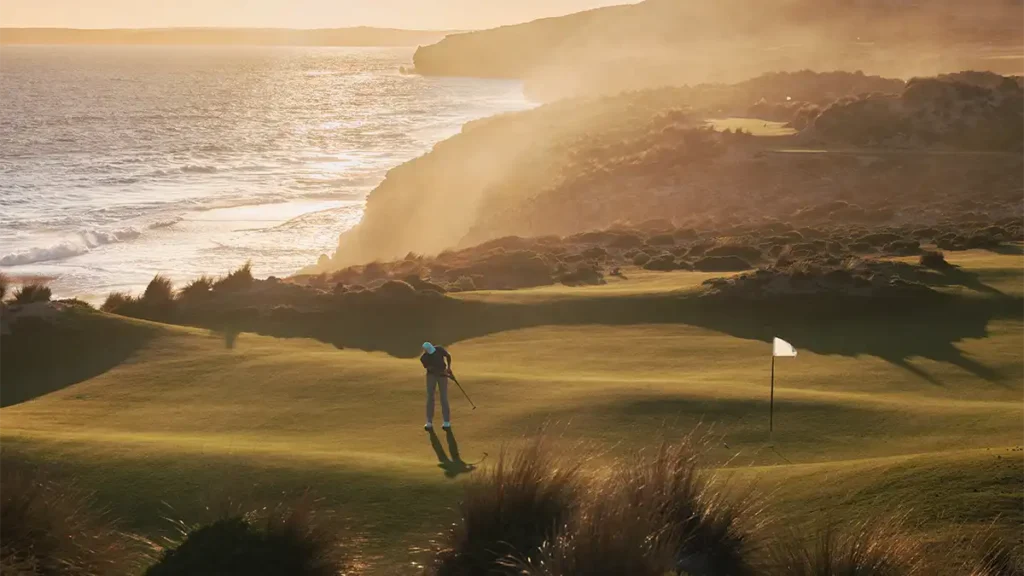
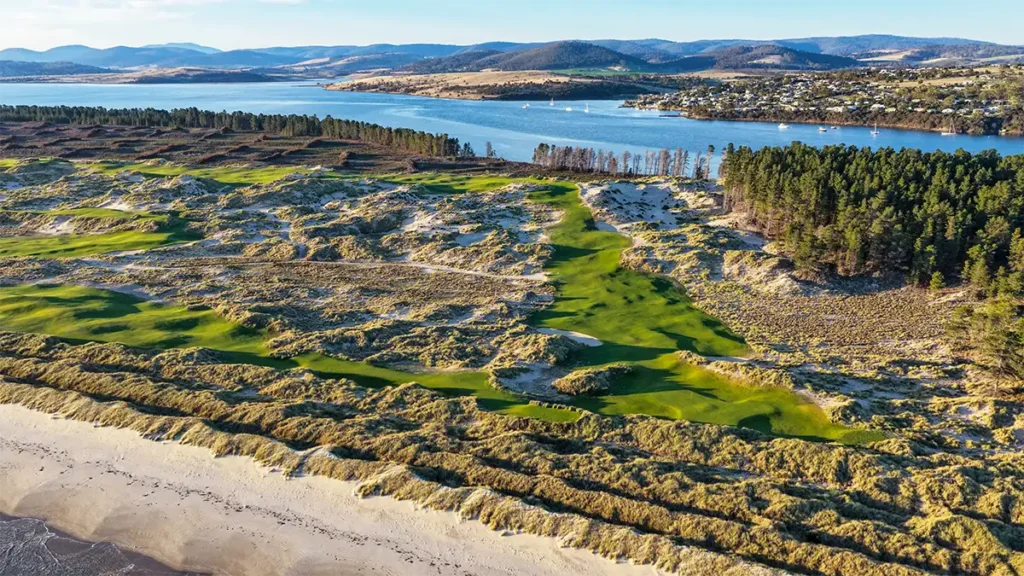
4. 13th Beach (Beach): From the fifth hole, adjoining a large saline wetland, through the dunes to the 18th hole, this course is a fine example of coastal sand dune vegetation. The club is committed to its management, which is largely managing any invasive weeds and controlling the tea tree population before it closes in on golf holes.
3. New South Wales GC: An accidental burn (perhaps due to lightning strike) was initially thought to be devastating. But in fact it cleared out the wattle and tea tree and other weeds and what came back was a profusion of endangered plant community called Eastern Suburbs Banksia Heath (ESBS). Less than 16 percent of pre-European settlement of ESBS remains and some of the very best ESBS is between the fairways of NSW Golf Club, which now works together with National Parks and the Rural Fire Service in conducting controlled burns as a tool to manage and promote ESBS.
2. Royal Melbourne (West): The best piece of golf course architecture in this country also has amazing pockets of rare and endangered heath plant species, including plants that exist nowhere else. The latent seedbank in the ground allows for natural regeneration of the heath by fire.
1. Peninsula Kingswood (North): It is probably the posterchild and the best example in Australia of intact heath and a contiguous vegetation (mostly free of exotic species) through the 18 holes. – Harley Kruse