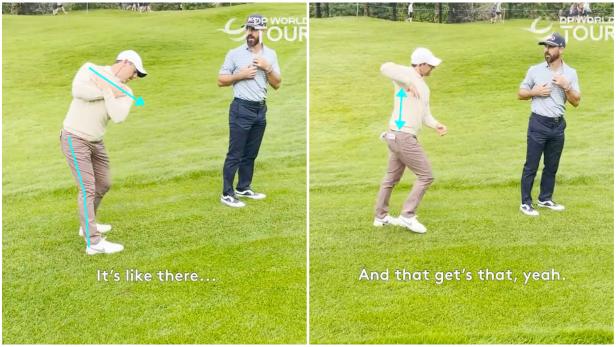
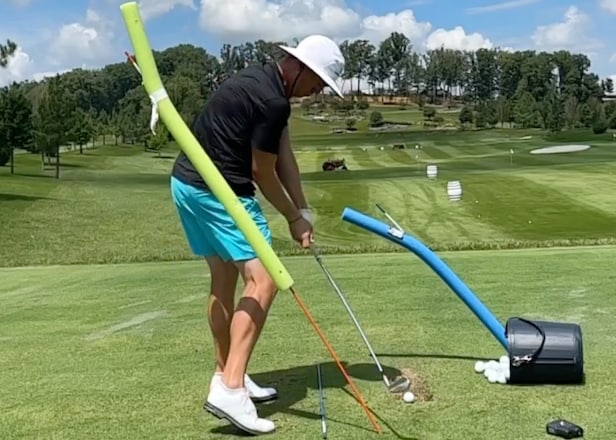
Medicine balls are considerably heavier than a golf club, which means you need to recruit more muscle power than your arms can provide if you want to throw one with any force.
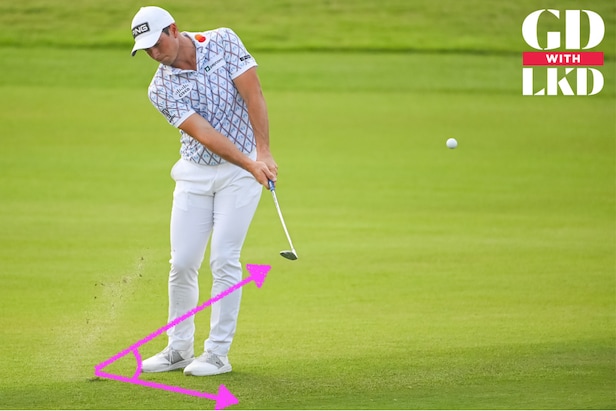
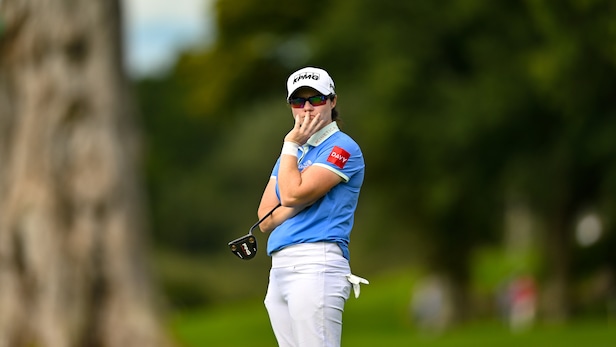
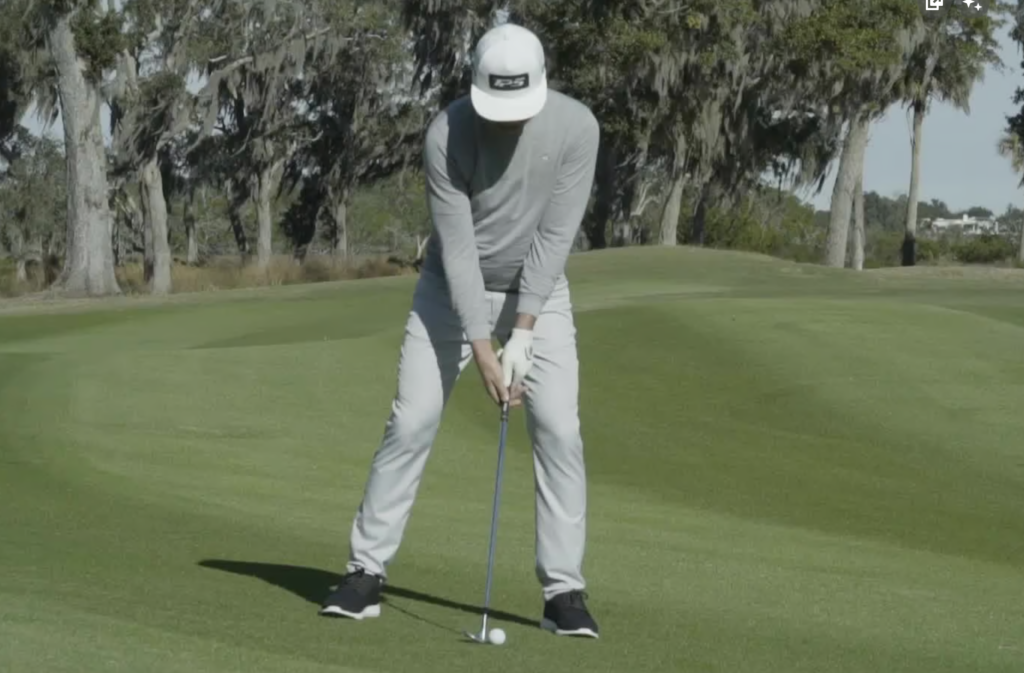
Unlike tour pros, we don’t have the benefit of knowing how many strokes we’re gaining or losing around the green compared to other golfers with similar handicaps. But here’s a good general rule: If you can consistently get down in three strokes inside 30 yards, you’re not going to lose ground on your competition. Chances Read more…
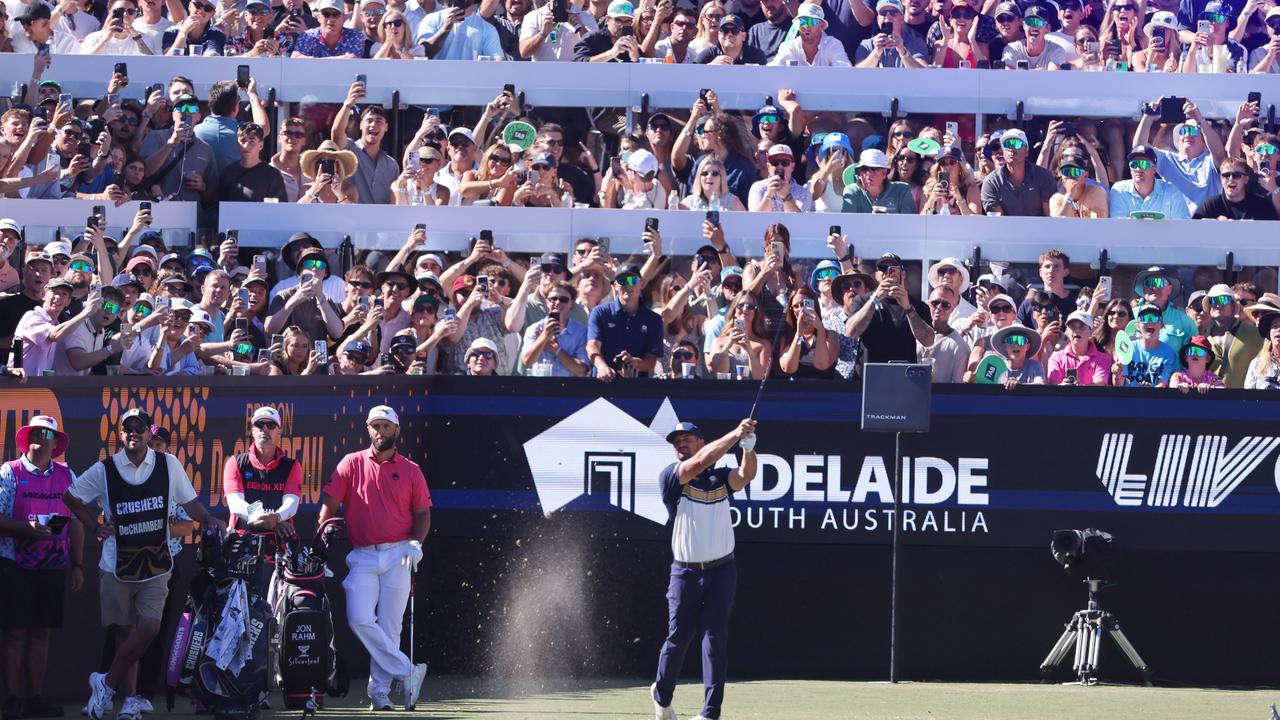
At 6-foot-3, 235 pounds, Sepp Straka could easily be mistaken for a tight end and not an emerging PGA Tour star. The 30-year-old Georgia alum is definitely one of the more imposing figures in pro golf. Yet despite his tall, muscular physique, Straka’s driving game relies more on accuracy than power. Through mid-July, Straka ranked Read more…
The more I learn about the life and career of Bobby Jones, the more I’m staggered at how remarkably ahead of his time he was. Jones was a truly brilliant man; a golfing genius by any definition. And his impact on the game can still be felt today. Which is perhaps fitting, because that’s the Read more…
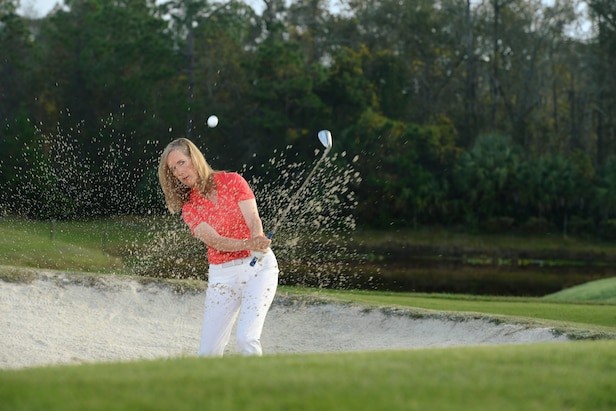
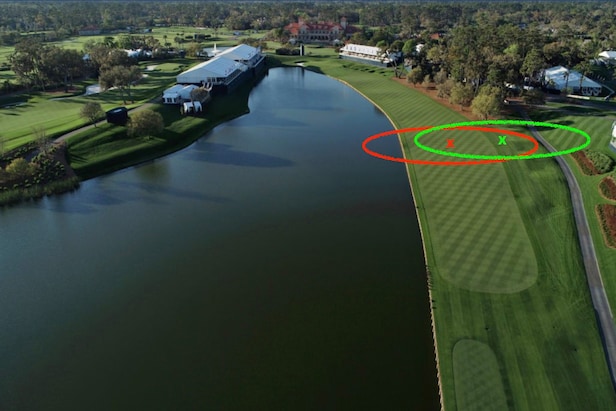
Everyone knows where their good shots are going, but knowing where your bad shots will go is critical to scoring, especially when you’re not hitting the ball well.
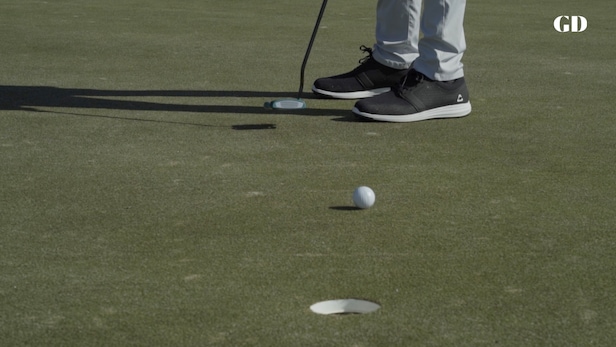
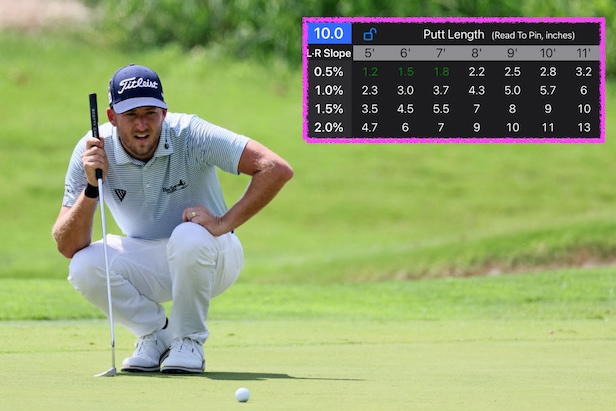
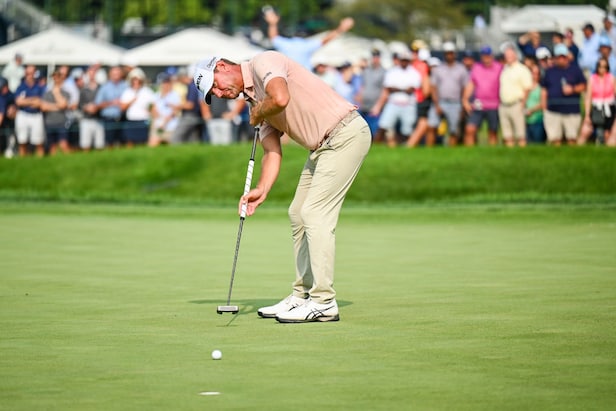
Judging what the green around you is doing – and how best to navigate along it – is the essential ingredient for good putting. It’s why good players sweat over it – and recently, a new system has emerged on tour that is helping players do it.


 Australian Golf Digest



























.jpg.rend.hgtvcom.616.411.suffix/1695056939689.jpeg)
2.jpg.rend.hgtvcom.616.347.suffix/1694197956027.jpeg)



.jpg.rend.hgtvcom.616.411.suffix/1693431849890.jpeg)