The PGA Tour’s performance dietitian, Ryan Harmon, says that many athletes she sees getting frequently injured have something in common: low Vitamin D.
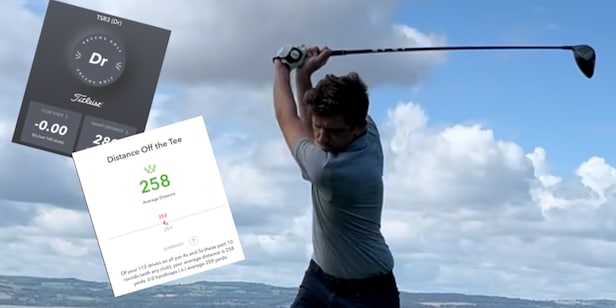
Every now and again we here at Australian Golf Digest share some Driving Distance stats for average golfers. And whenever we do, the reaction is always the same.
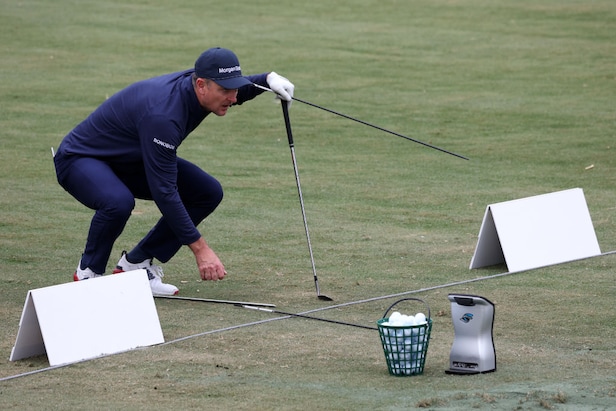
The range is their office. And with some potentialy lucrative pay cheques on offer as part of the FedEx Cup Playoffs, they’ve been busy at the FedEx St Jude Championship this week. Here’s a few things I learned observing them at work.
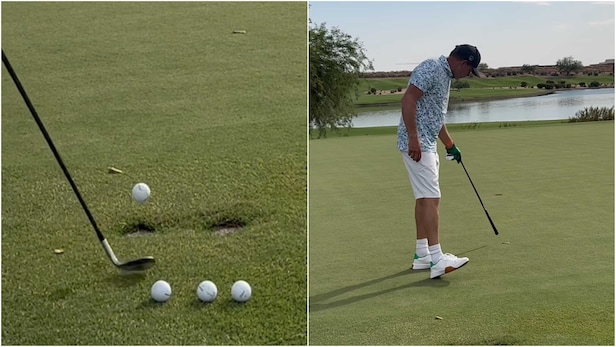
Where you land the ball informs your club selection, and the type of shot you want to hit. Most golfers overlook this aspect of chipping, but it could be the key to having a more successful short game.
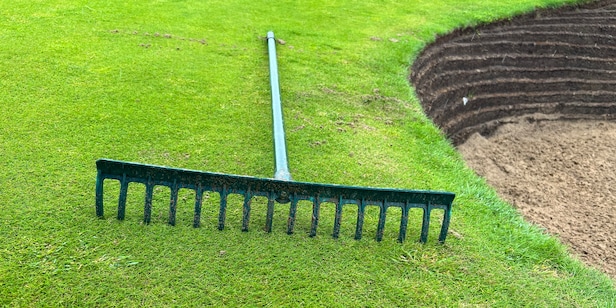
The rakes aren’t the ones Royal Liverpool Golf Club usually uses, according to one member of the club. They’ve been put into play especially for Open week, and the issue specifically is that they’re wide tooth rakes.
Golfers are always on the hunt for something to upgrade their game, especially as we round into the meat of the golf year. So, we enlisted the help of a couple of our resident low handicap editors: Former college golfer Drew Powell and senior game improvement editor Luke Kerr-Dineen.
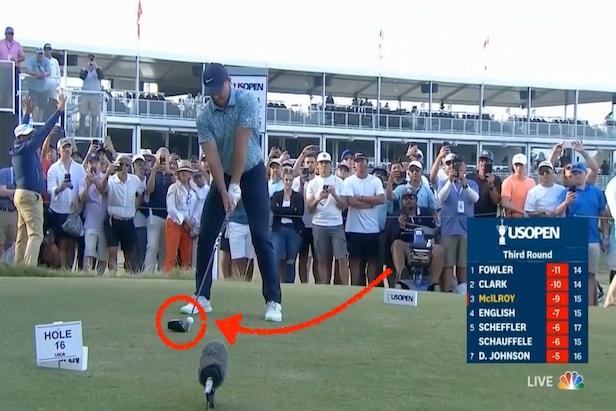
It’s hard to notice anything other than Rory McIlroy’s picture perfect golf swing, or his rifling ball strike, whenever he sends one into the distance. But following him on the back nine during Saturday’s third round, I noticed something different.


 Australian Golf Digest