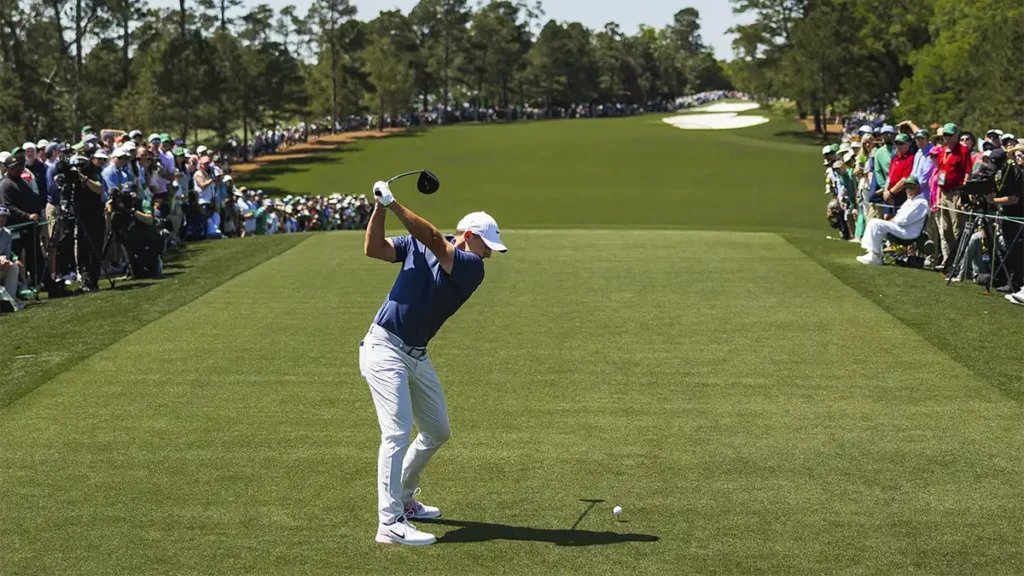
Each spring, with the Masters on our minds and a new golf season teed up, we meet players who are full of optimism about getting back out on the course but lacking in physical ability. It’s not that they’ve forgotten how to play golf. It’s that the winter has taken its toll on their bodies. Read more…
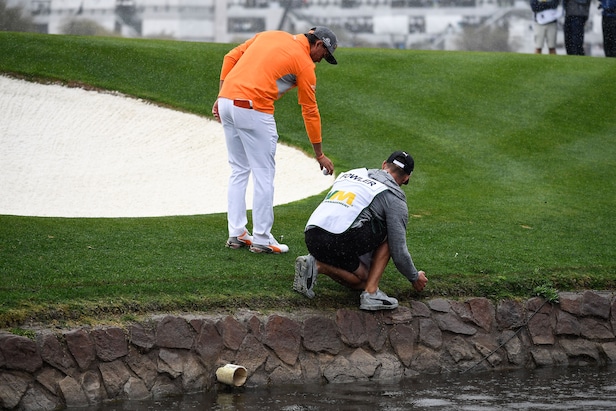
Justin Thomas was penalised after his ball moved while removing a loose impediment. It’s a common situation, but the rules aren’t always clear. Here’s what you need to know to avoid the same mistake.
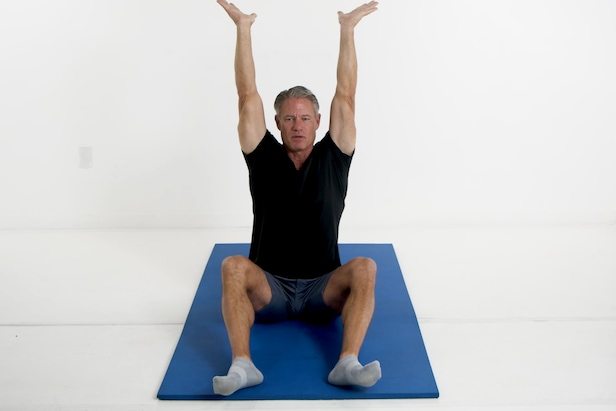
If you warm up before you start hitting balls, give yourself a round of applause. You’re doing a lot of good for your body and potentially preventing a season-ending injury. You’re also in the minority, as you typically don’t see amateur golfers doing a whole lot of movement prep before a round.While you might think Read more…
The American College of Sports Medicine (ACSM) just published its first revision of guidelines for exercise in 17 years, and its conclusions should make you feel pretty encouraged if you feel like working out in big-box gyms or using sophisticated exercise equipment is too intimidating of off-putting.The over-arching message: You don’t need a lot of Read more…
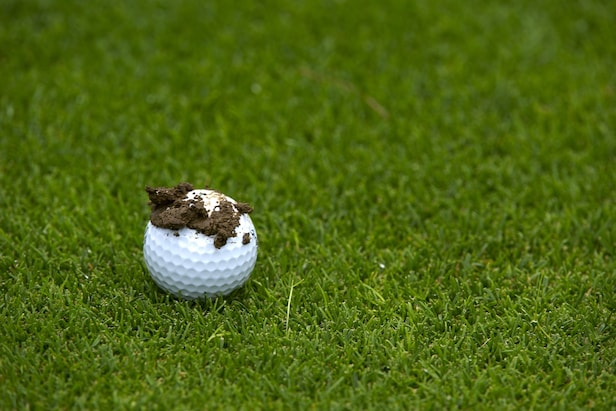
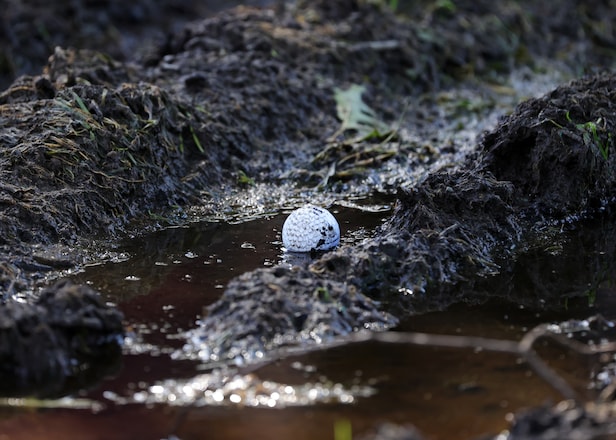
The chapter title for Rule 8 in the Rules of Golf is pretty descript in terms of what happens when your ball ends up in a less-than-ideal lie. The title? “Course played as it is found.” It means, when your ball comes to rest, you normally have to accept the conditions affecting the stroke and Read more…
If your golf ball moves before you make a stroke, you could face a penalty – or not. Here’s how the Rules of Golf determine whether natural forces or player actions caused it.
Do you know a golfer who picks his or her ball up a lot? Does that player also want you to put down scores on the card that don’t seem quite right for handicap purposes? If so, it might be time for a quick review of the Rules of Handicapping and how to record scores Read more…
If you don’t recognize the golfer in the photo above, it’s Cameron Champ. Albeit he was a bit younger in this photo—he’s 30 now—Champ has aged well. How well? If you missed the RBC Canadian Open this past June, then you might be interested in knowing how far Champ drove the ball on the ninth Read more…
Most golfers are familiar with compression clothing and its benefits in terms of increasing blood circulation and its healing agents to areas where you feel pain/soreness, etc. What you might be less familiar with is literally the reverse of that concept.
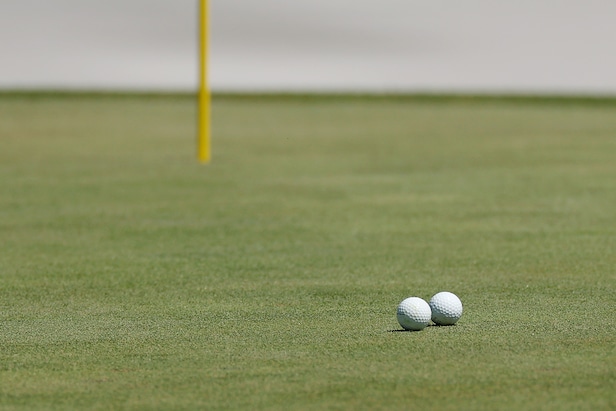
Back in 2019, the LPGA Tour found itself in the spotlight for a curious ruling involving two tour players and a practice called “backstopping.” If you’ve never heard the term, tour pros commonly use it to describe purposely leaving a ball in place on the putting green instead of marking it. The thought is that Read more…


 Australian Golf Digest