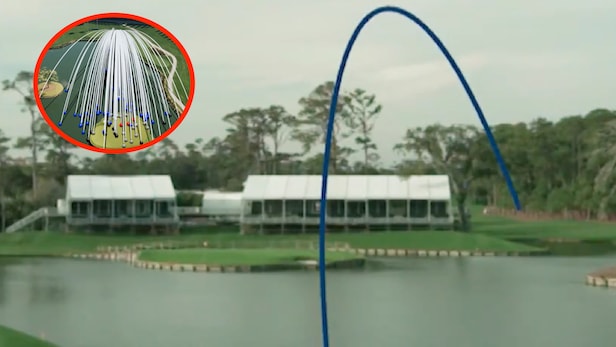
Chasing more distance is something all of us should be doing, basically all the time. But while the benefits are clear, there are also a few ways it can backfire if you approach the task incorrectly.
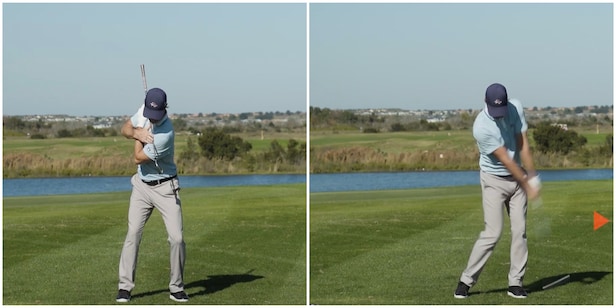
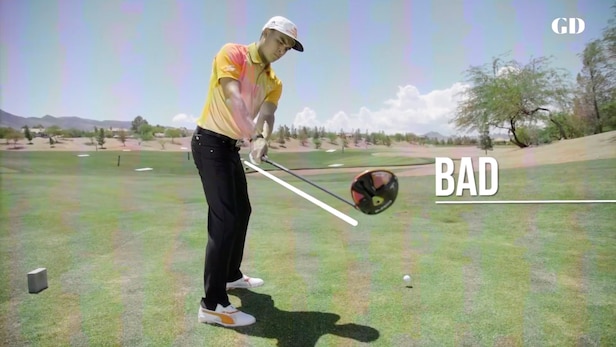
If you’re struggling with solid contact, it’s probably a low-point issue. The low point of your swing is either two far behind the ball (causing you to hit chunks) or too far ahead of the ball (causing tops and thins). There are two common mistakes that cause those to happen.
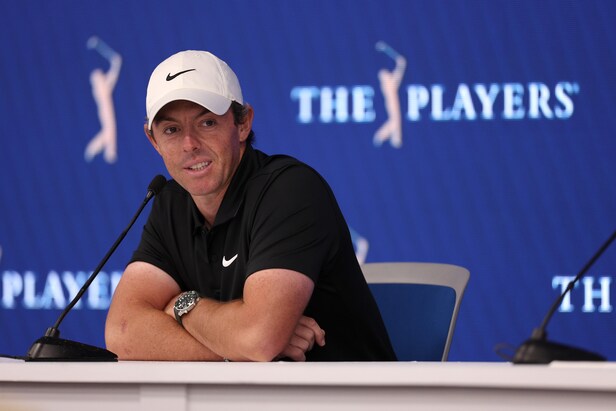
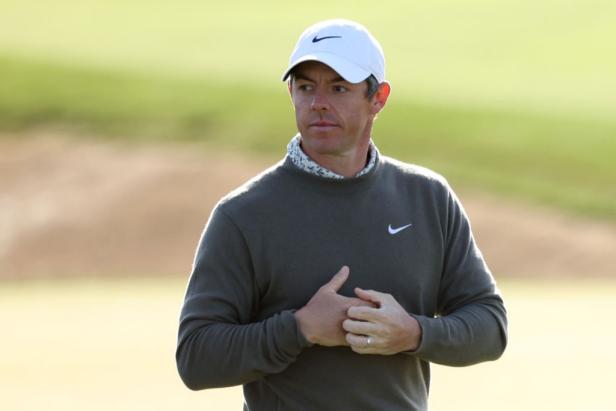
Rory McIlroy continued his statesman-like role in the game this week by speaking out on the USGA and R&A’s plan to implement a model local rule at the professional level that would have the likely effect of reducing the distances off the tee for pros to the tune of 15 to 25 yards.
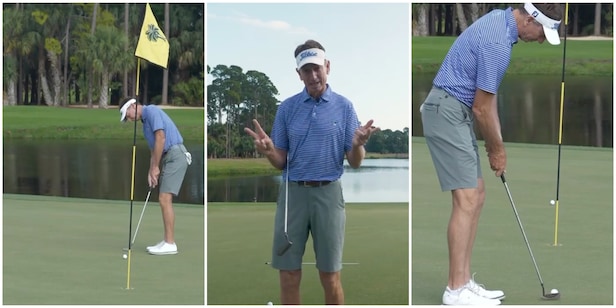
Brad Faxon has forgotten more about golf than the rest of us will ever know, and thankfully, he’s never shy about dispensing his lifelong knowledge on social media.
Golf’s powers-that-be made a very big announcement today about one of the most politically-charged topics in the golf industry: The question of whether its time to roll back the golf ball.
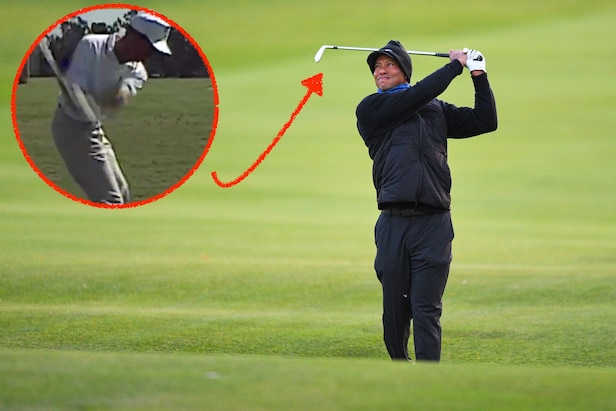
Tiger Woods teed it up in his first PGA Tour event at Riviera back in 1992, as a 16 year-old amateur who was obviously destined for the stars — though at the time, nobody could quite imagine how high he would rise. Looking back on his swing from those days I’m always struck by one Read more…
The new “designated” PGA Tour events need to forge a specific identity for each one, and they need to make sure most of its best players are perpetually in contention.
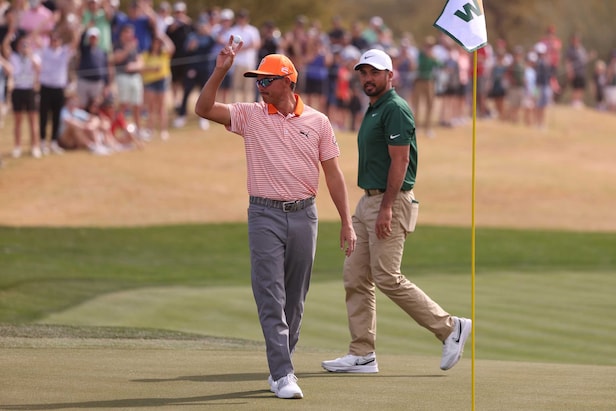
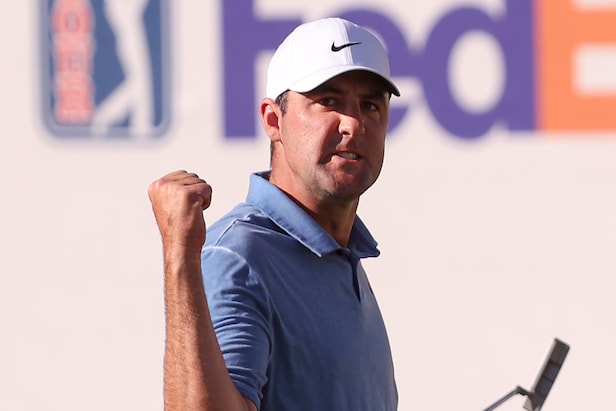
Scottie Scheffler won his second-consecutive WM Phoenix Open today, returning to the site of his first career PGA Tour victory a year ago while also returning to world No.1.
As fans gravitated towards McIlroy as he worked his way towards the chaos of the 16th hole, the man who was quietly leading the tournament had just teed off on his first hole of the day.
Whether you’re a fan of the Saudi-backed LIV Golf circuit or not, its arrival sent a clear message to the status quo of professional golf: It’s time to adapt.
We consulted a couple of our resident low handicap editors, former college golfer Drew Powell (plus-2.6-handicap) and senior game improvement editor Luke Kerr-Dineen (1.3-handicap), to hear their best tips to improve quickly.

 Australian Golf Digest