
How the once-maligned mallet putter won over golf’s toughest critics.
You might be surprised to know that mallet putters have been around almost since the birth of the game. Large, imposing clubheads have always been their signature, with some designs wild enough to test even the most open-minded golfers. The extended back sides of some mallet heads resemble a navy destroyer, but many players come to see them as things of beauty – that is, once they start rolling in putts.
The unsightly appearance of mallets is starting to become less of an issue. Today’s mallets are a far cry from giant hunks of metal on the end of a stick. Many are the result of a precise marriage of materials, mechanical engineering and biophysics. All of this technology is brought together to keep off-centre hits on line and the missed three-footer a shocking event instead of a common occurrence.
How do they work? Most mallets are designed to push weight behind the face to the back of the head, increasing the inertia (or stability) along that line. Manufacturers have finally found ways to deliver that performance feature in head shapes that don’t leave the golfer recoiling in horror when setting the putterhead behind the ball.
Innovations in composition and design have allowed manufacturers to make mallets more compact without sacrificing performance benefits. The original TaylorMade Spider and Scotty Cameron Phantom models were positively massive, but today’s models are sleeker, upping their appeal. Add in the alignment advantage (mallets scored nearly a full point higher than blades in our Hot List alignment ratings), and the allure of mallets starts to make sense.
Some mallets are downright attractive. Shane Popham, a longtime Hot List tester, found the Odyssey Ai One Milled 7T CH to be “regal, elegant. I like how the fang lines angled towards the ground minimise the profile, so it’s not flat and chunky. It centres my eyeline.”
Few putter-makers pay more attention to aesthetics than Scotty Cameron and his design team. Austie Rollinson, senior director of putter R&D for Scotty Cameron putters, is well aware of the appetite for mallets that are more compact in shape but deliver the benefits of a larger head size.
“How a mallet sits behind the ball and the ability of golfers to line up the alignment lines to their target is critical,” Rollinson says. “There is a lot of real estate to put alignment lines on, but in some cases, you need restraint. Also, how mallets sit on the ground is super important and so is the contouring of the edges. A lot of players use the edges of the putter for alignment.”
Then there’s the size. Many players use the Goldilocks method – not too big, not too small – for finding the right putterhead. Too far one way or the other can be a major turnoff.
“I’ve gone too big before,” Rollinson says. “It’s a balance of not only size but also the mass properties. You don’t want that centre of gravity getting too deep, because it becomes tough to manoeuvre and adds to the torque, making it harder to square up the face. Helping the look can help the playability, too.”
So good is the blend of appearance and playability with mallets these days that every player in the top 10 of the Official World Golf Ranking uses one. (You read that right.) That doesn’t happen if players can’t stomach the appearance.
Sometimes the look isn’t only about the size or shape; it’s the alignment features as well. That was a key driver behind Scottie Scheffler’s switch to a TaylorMade Spider Tour X in 2024.
“The Spider is really easy for me to line up,” Scheffler said after he made the change. “I don’t have to use the line on the ball. I line up the putter really well, and I line up in the middle of the face. It’s as simple as that.”
Still, not all mallets have to be attractive to be effective. Take J.J. Spaun’s move to L.A.B. Golf’s DF3 mallet, which has been described as a spaceship and a potato masher. The oversize mallet was a drastic departure for Spaun, who had used a blade for most of his career.
“I had difficulty getting comfortable with a traditional mallet and just picked up one of the L.A.B. putters in May of 2024,” Spaun says. “I kind of liked it, so I had one built and just kept it at home. I finally gave it some time in the off-season and really learned to like the appearance and understand my tendencies with it.
“The biggest thing I’ve noticed is that no matter where you hit it on the face, it carries the speed that you’re intending to have,” Spaun says – like on a 64-footer to win the US Open.
For golf purists, mallets still might take some getting used to, but their design benefits and now better looks make them worth a try. After all, seeing putts drop is a pretty nice sight, too.
Hot list testing
Here are the mallet putters from our Hot List testing that some of our player-testers liked best and why, in their own words.
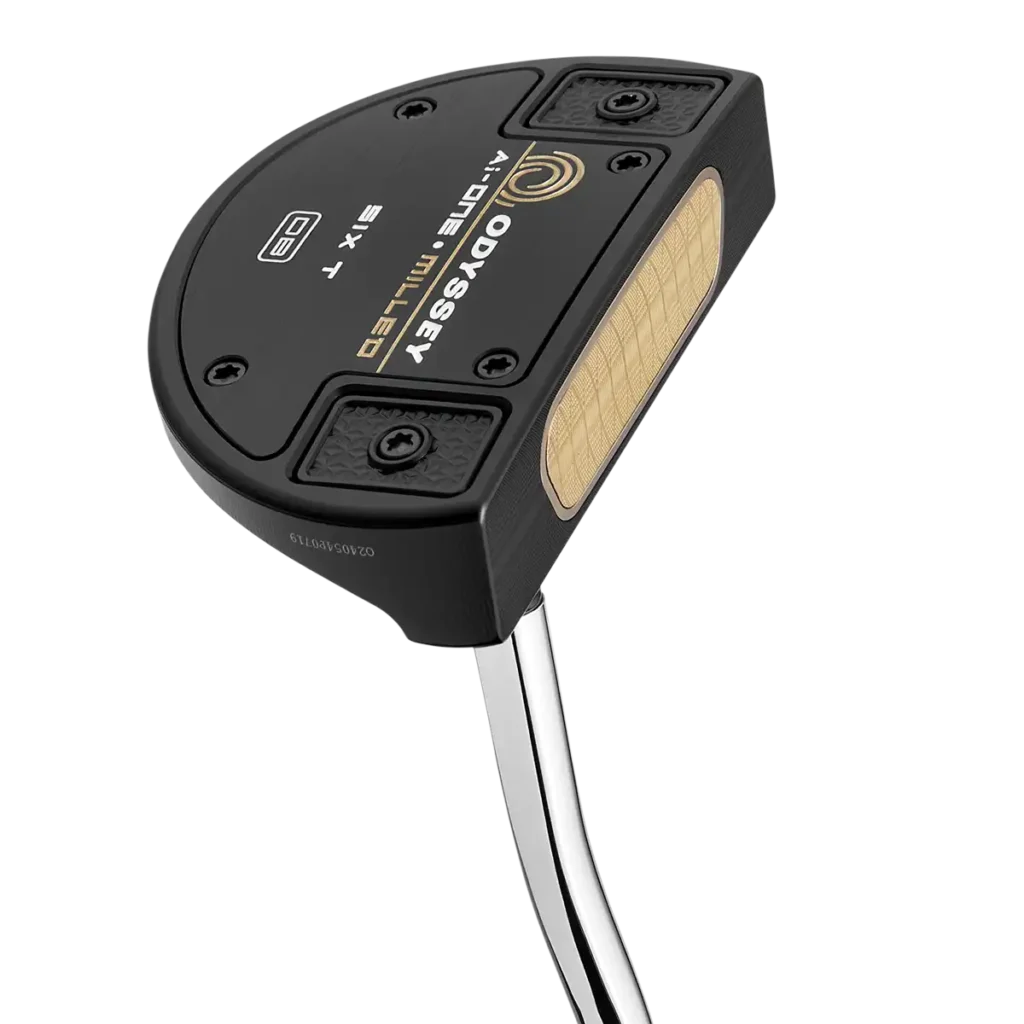
Wayne Johnson, 59
6-handicapper
Odyssey Ai One Milled
“It’s fairly simple, with the 2-ball extension. What I like about it is that you don’t have a specific alignment mark, just the generalised balls back there. You feel like you’re creating a track. Where you look is where the ball goes. You want to put your putter down, look and hit the ball where you’re looking. That’s really nice.”
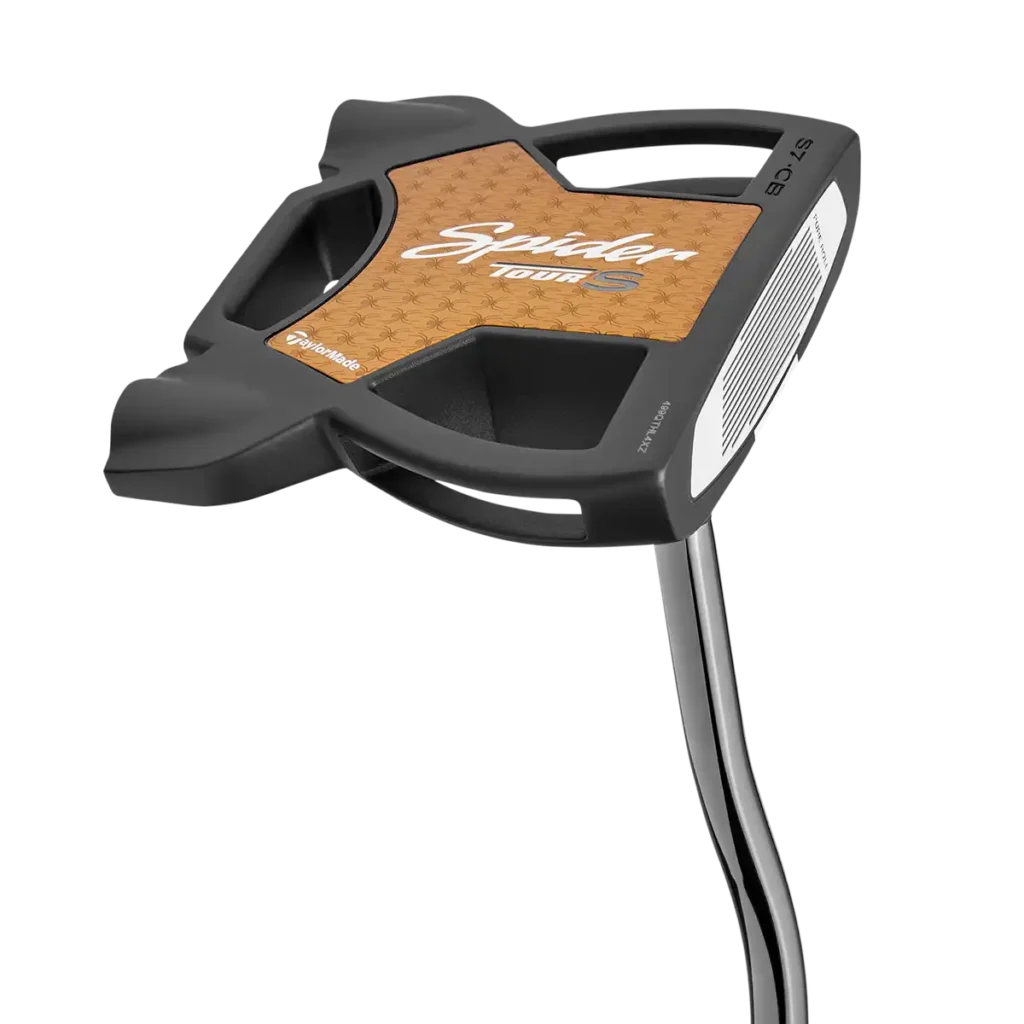
Alan Cooke, 30
1-handicapper
TaylorMade Spider Tour
“It’s easy to line it up because of the bright white markings. It almost looks like a road is running down the top of it, with lanes down the middle. It sets you up dead to your roll line. Plus, it doesn’t pop off the face too much at impact; it gives you good responsiveness.”
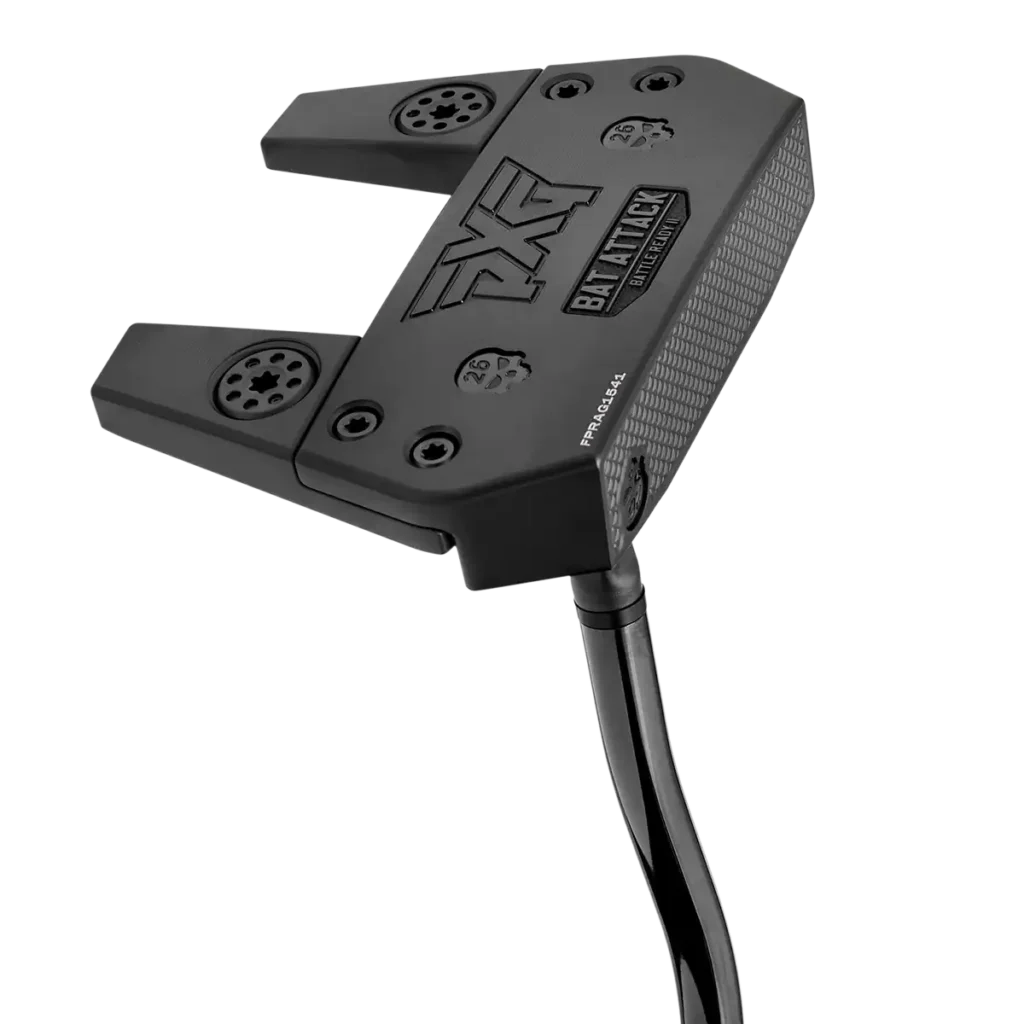
Dan Lupo, 32
12-handicapper
PXG Battle Ready II
“The aggressive look, like a bat, is almost evil-looking in a cool way, and it inspired confidence. The face treatment seemed to let me feel the ball more directly at impact, more of a firm feel. The ball seemed to have plenty of energy right from the start, getting into a true roll quickly.”
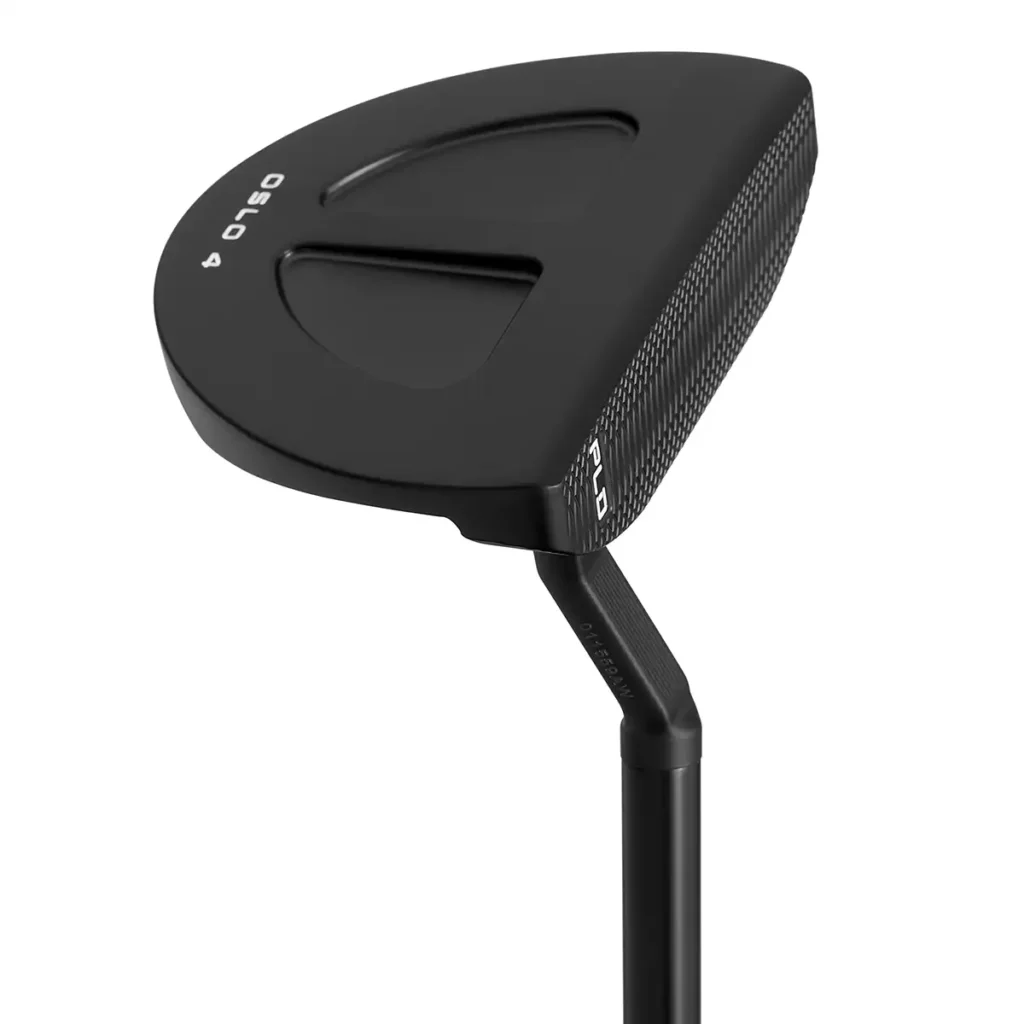
Jamie Struck, 51
5-handicapper
Ping PLD
“The thick alignment line left no doubt as to where you were set up. That gave me the ability to concentrate on speed control, which pretty much takes three-putts out of play. It was a perfect harmony of muted feel and sound but not to the point of being mushy.”
Photographs by J.D. Cuban