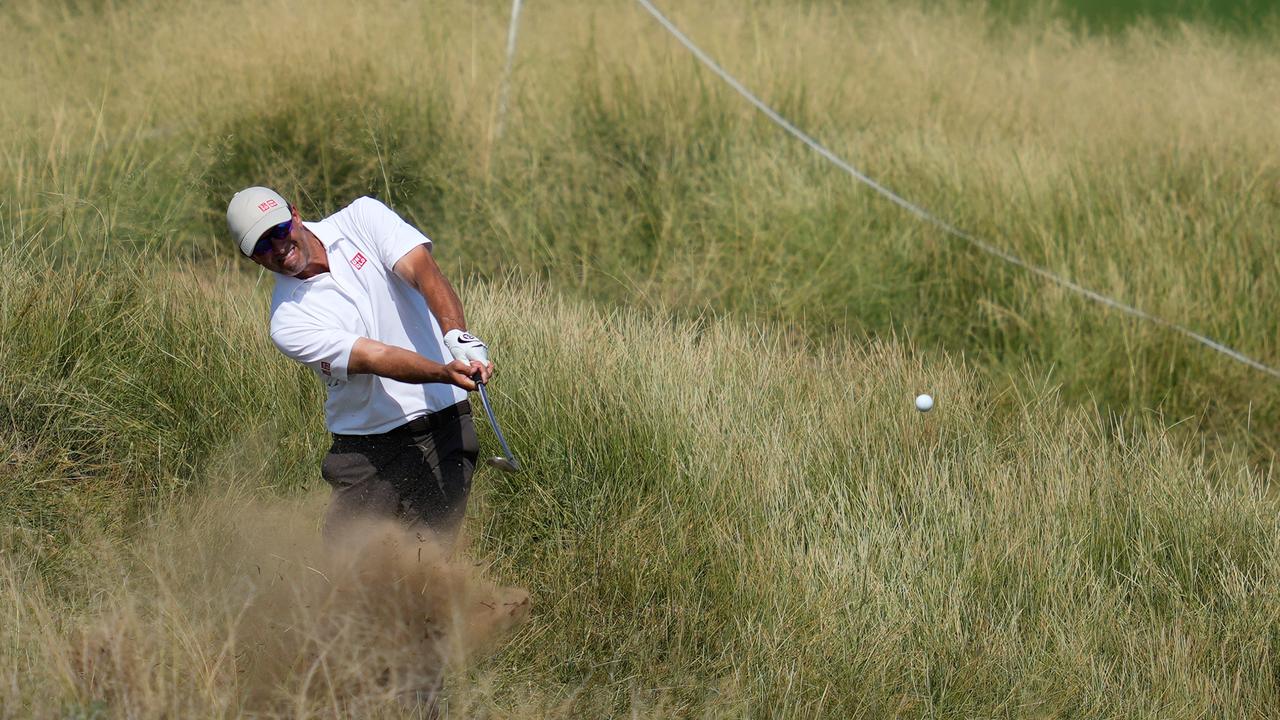
It’s so frustrating when you try to do the smart, mature, safe thing and hit a lay-up shot, and then screw it up. So, that’s the topic we decided to tackle.
Tiger Woods has been on a bit of a hot streak recently. Not on the golf course (though with his return at the Hero World Challenge this week incoming, hopefully we’ll get one of those soon), but in the kind of golf nerd video realm. A few weeks ago, Tiger went viral for his explanation Read more…
Although you probably still refer to it as a water hazard, it’s important to know that the official name change to “penalty area” in 2019 should give you a clue that the options for your next stroke have changed a bit.
Setting up with the shoulders on the correct line and focusing on “the right elbow moving straight away from the target” are two keys that will also help keep your hands and wrists quiet during the stroke.
A quick workout can be the fix you’re looking for to reset your energy and relieve some of the guilt you’re feeling for eating that second helping of turkey.
So, why do we miss so many of them? And why do pros make so much more of them? That was the question posed and discussed by renowned golf biomechanist Dr Sasho Mackenzie at Andrew Rice’s recent Coach Camp conference.
We’re not all able to get to the course an hour before our tee-time for a complete warm-up session, but making efficient use of the time we do have is the key to getting off to better starts.
Stats from Arccos reveal that golfers with a handicap of 15 or higher make a double-bogey after a par close to 30 percent of the time. What’s the key to avoiding them?


 Australian Golf Digest