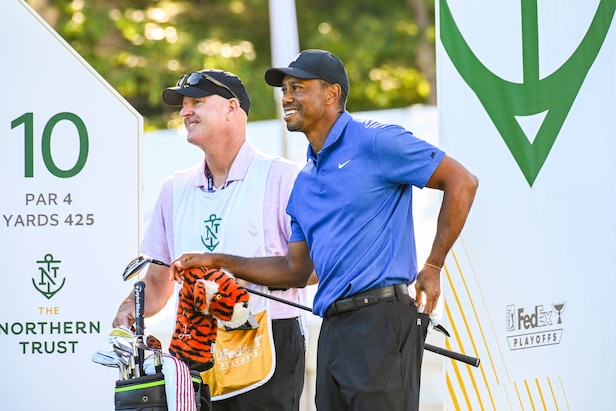
This wrist position at the top is more popular than ever. Should you be doing it, too?
The list of major champions who swing a golf club with their lead wrist in flexion (bowed, bent towards the palm) at the top of the swing is pretty impressive: Dustin Johnson, Jon Rahm, Jordan Spieth, Xander Schauffele, Collin Morikawa – even Arnold Palmer and Lee Trevino did it.

If you wonder why so many golfers bow the lead wrist, it’s because it does a lot to square and deloft the clubface at impact without any split-second hand manipulations. It can cure a slice, boost smash factor or help breed consistency in ball-striking, says Golf Digest Teaching Professional Josh Zander.
However, wrist flexion would probably be poison to a golfers with a strong lead-hand grip, Zander says. Those golfers already have the bias of a shut, delofted clubface, so bowing would likely
produce smothered, pulled hooks.

Dan Hellman, one of Golf Digest’s Best Fitness Trainers in America, says the move also can result in pain and injuries to various parts of the arm. Elbow tendinitis, fractures to wrist bones like the hook of hamate, and tendon ruptures are among the cause-and-effect issues, he says.
In fact, Spieth had to have surgery for a ruptured tendon in his left wrist suffered at the 2024 Open Championship. Was it because he bows his left wrist as he takes the club back? Or perhaps because of his idiosyncratic follow-through where he lets his lead elbow jut towards the target, which hinders the lead wrist from fully releasing its flexed position? Maybe, maybe not.
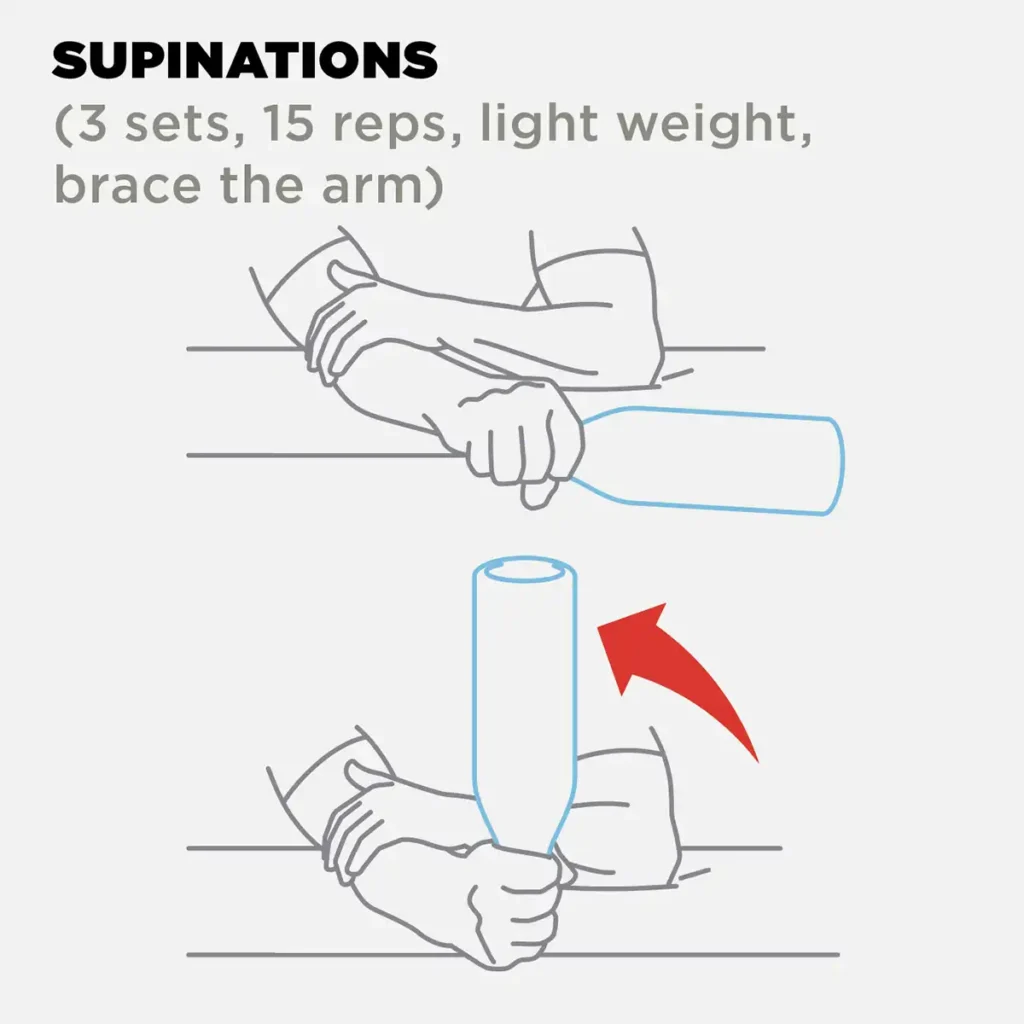
One thing is for sure, Hellman says, the human body was not designed to “repeat a position of strain over and over again”. Bowing your lead wrist is definitely a position of strain.
Older golfers should be particularly careful because the risk of cartilage loss in the wrists increases with age, he says. According to the American Academy of Orthopedic Surgeons, articular-cartilage injuries can result from a number of causes, including repetitive smaller impacts to the joint.
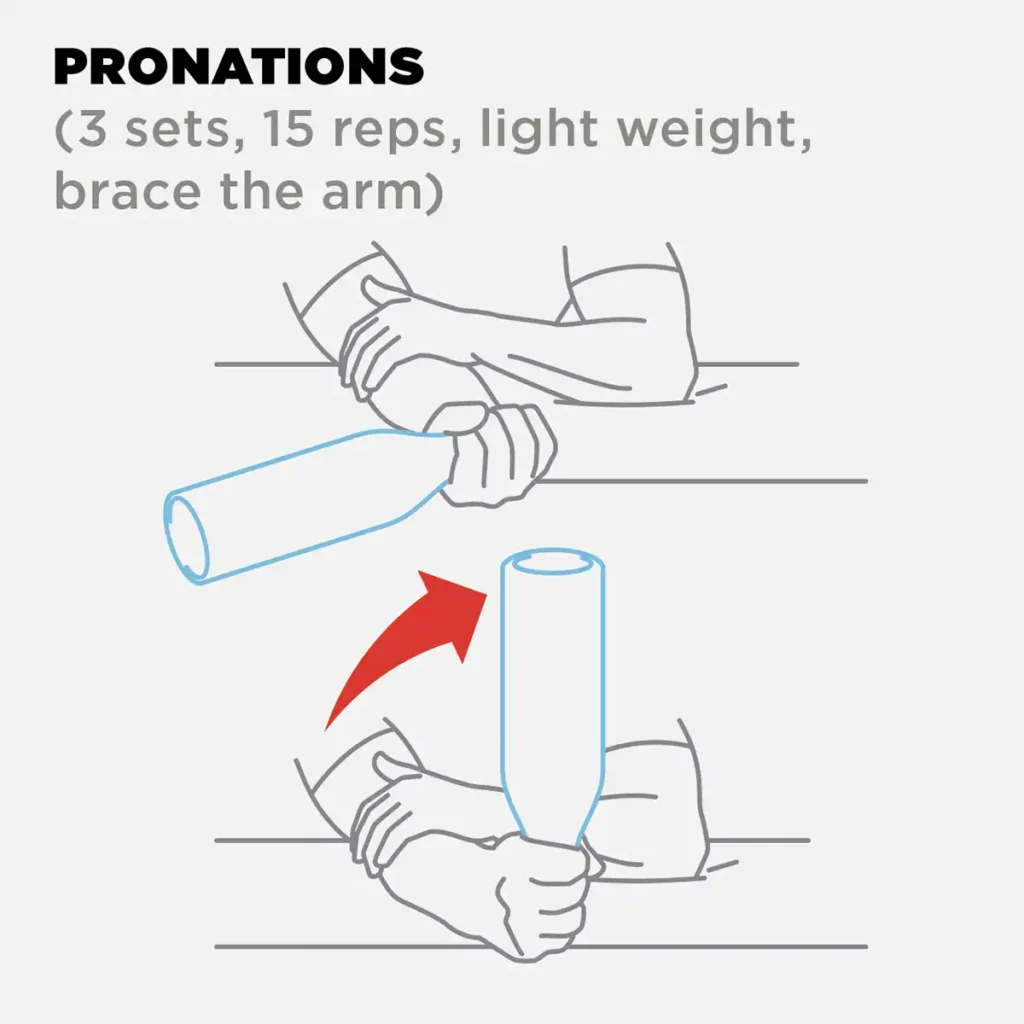
“If you want to try bowing, I strongly suggest you perform exercises to maintain the strength, stability and mobility of the wrist and elbow joints as well as the soft tissue around them,” Hellman says (he offers four here, above). “Your wrist and elbow will thank you, and you will be less likely to miss weeks of golf waiting for your injuries to heal.”
Illustrations by josh mckible, photo by J.D. Cuban