Our testers showed it’s better to try a variety of clubs than to rely on design stereotypes based on a player’s swing or ability level.
One of the key aspects of the Hot List is how we use a diverse array of player types, skill levels and swing speeds to assess the best new clubs. That’s especially valuable when it comes to drivers, where companies introduce three, four or five models to try to match the playing characteristics of a club with the swing characteristics of a certain type of player. There’s a reason 40 driver models were named to the 2026 Hot List: Each resonated with a portion of the golfers in our testing sessions. However, the players’ preferences weren’t always what you might think.
“It’s still about the individual player, what they need and what’s going to benefit them,” said Chris Marchini, director of performance and innovation at Golf Galaxy, on a recent episode of Golf Digest’s Club Lab equipment podcast. “There are still many people falling into the dangerous realm of putting themselves in silos.”
In other words, don’t assume that because of your skill level or swing, you should be playing a certain type of driver. It simply isn’t the case that high handicappers should play the most forgiving model and low handicappers should play the tour-style driver.
Case in point: Rory McIlroy, who can hit it 350 and whose projected handicap would be about plus-8, actually plays the same model of TaylorMade driver as that 50-something guy you got paired with last weekend. McIlroy reportedly made the change in four swings, noting that he now prioritises control and predictable spin over simply chasing the lowest spin numbers – a traditional benchmark on tour. That out-of-the-square thinking made sense for Rory and also is smart for golfers trying to break 80 or 90.
We break out our Hot List players into three handicap groups – low, middle and high – but when we looked at the driver models each group liked best, we saw some overlap. One reason: although there are plenty of fast-swinging players in our low-handicap group, we also have several whose swing speeds are down in the low 90s. At the other end, we have high handicappers who are newer to golf but swing at very high speeds.
Another reason for the overlap is that the majority of drivers today produce effective spin, so it’s no longer a choice between forgiveness or proper spin. Plus, as in McIlroy’s case, too little spin isn’t optimal, either. Pursuing certain performance attributes like lowest spin or highest moment of interia (MOI) isn’t an ironclad method for finding your best driver. Fact is, a lot of today’s models give players at every level the launch and spin they need to optimise distance. Finding your ideal driver is a personal search that requires a proper fitting to produce the best results.
LOW HANDICAPPERS
The best players on our 2026 Hot List testing panel picked a quintet of low-spinning drivers as their favorites, perhaps unsurprisingly given that roughly three-quarters of them cruise with swing speeds more than 110mph. With such high speeds, it’s imperative to limit spin to keep the ball in play.
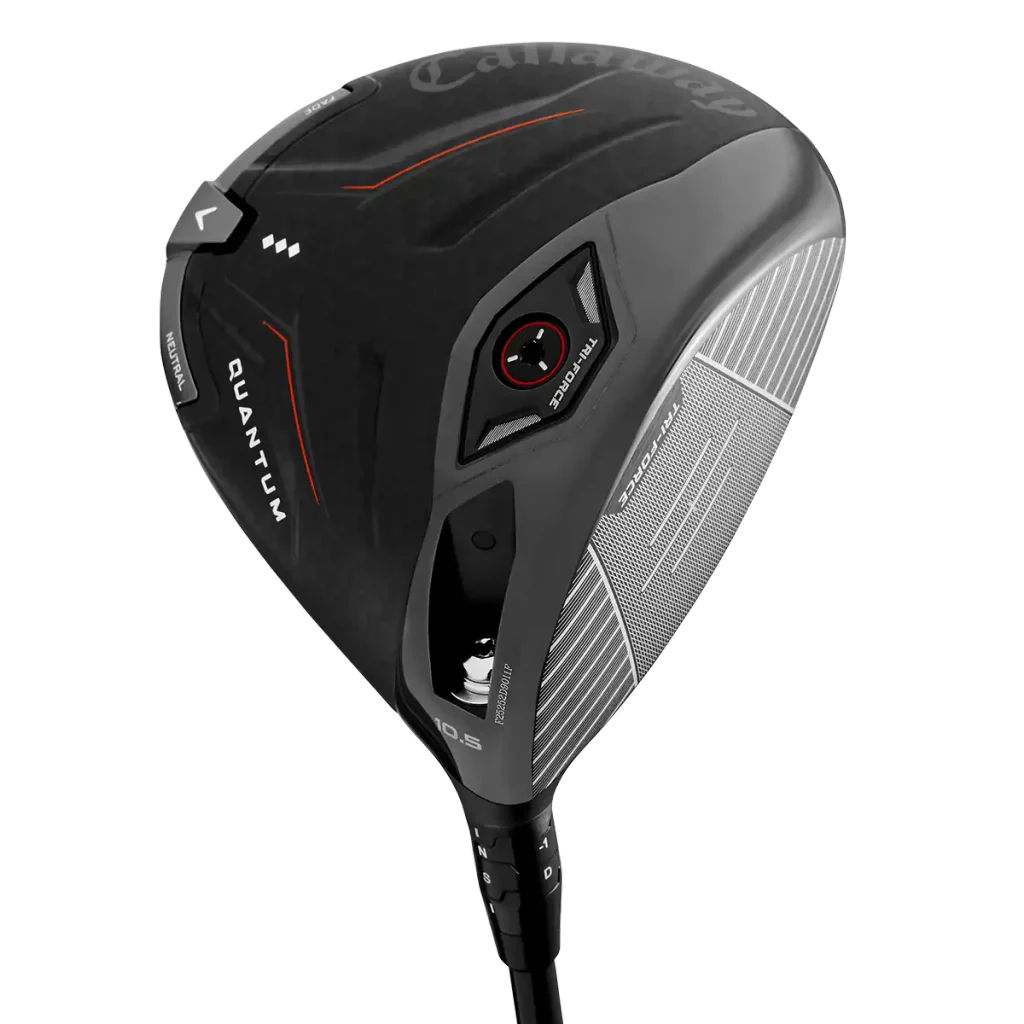
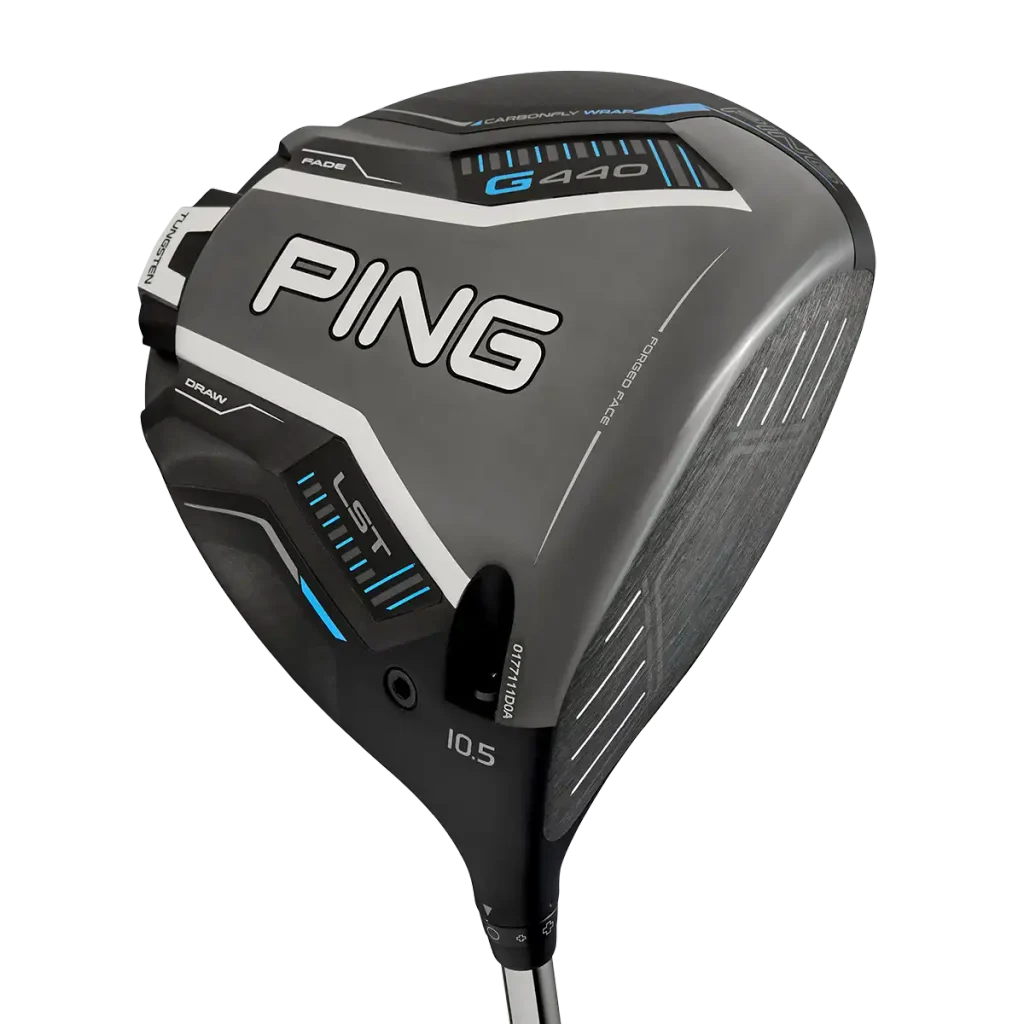
That said, these models, including the Callaway Quantum Triple Diamond Max and the Ping G440 LST, still offer plenty of forgiveness. Both of them received an MOI rating of “High”, which indicates substantial stability on off-centre hits. That kind of forgiveness was important, even for players who seemingly don’t miss many shots. Tester Ricky Brown, who plays off a handicap of plus-2, said of the Quantum Triple Diamond Max: “It’s just a rocket launcher. Every swing was producing.”
MIDDLE HANDICAPPERS
There are a lot of ways to become a middle-handicap golfer, so perhaps it shouldn’t be surprising that our middle group favoured drivers with optionality and flexibility. These testers were drawn to the core or standard models in the driver families, but there also were two low-spinning heads that you might think were reserved for our low handicaps. Again, the combination of forgiveness with low spin was even more appreciated by this group.
Peter Lee, a middle-handicap tester, said of the low-spinning Ping G440 LST: “A nice head shape, and it’s got a nice feel off the face, very powerful. It really helps keep the ball going straight. An effective tool.” That idea of finding a driver with the most efficient functionality was a recurring theme among all of our players. It wasn’t just distance; it was playable distance.
HIGH HANDICAPPERS
Our testers who shoot in the 90s might seem to be all about maximum forgiveness, but that’s not such a simple conclusion. Like the state of the game today, our panel of higher handicappers represents the legion of new golfers who are younger, fitter and able to generate high speeds. Indeed in America, one report says 71 percent of the post-pandemic growth in rounds played has come from golfers younger than 50. New golfers swinging at high speeds might benefit from drivers with less spin that also provide ample stability.
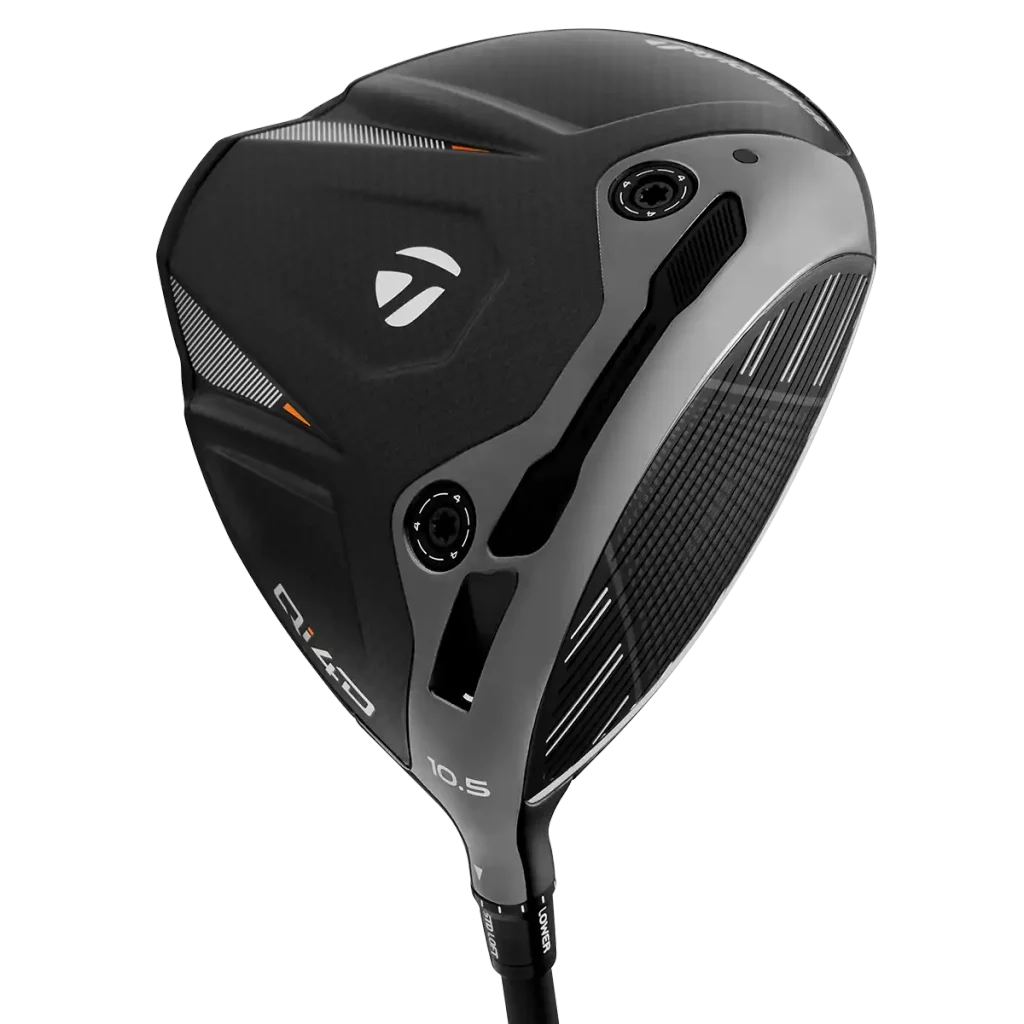
An example is the TaylorMade Qi4D that McIlroy has been using. Forgiveness (its MOI rating is “Above Average”) with low spin means more distance for golfers who are fast-swinging but less precise than other players, like 12-handicapper Shane Popham. “There wasn’t a miss in this driver. There wasn’t much I couldn’t do,” Popham said. “Real energy at impact. It was immediate; it was immense; and it was euphoric.”
We can look at our top-rated drivers by handicap group, but many of them can work for players at various levels, so let go of your assumptions and allow a proper driver fitting to play out. You might end up with a club that targets another type of player, like Rory did.
HOT LIST TESTING
Low-spin, forgiving drivers were most preferred across our three handicap groups. Here are some favourites from our testers:
Matt Nestler, 29
8-handicap
Callaway Quantum Triple Diamond
“This is the most forgiving driver I’ve hit. It seemed no matter where I got it on the clubface, it went dead straight every time.”
Jack Bingham, 37
1-handicap
Ping G440 LST
“Hyper-forgiving driver on toe and heel hits. You really don’t lose anything. You can pretty much just get the ball on the face, and it goes. I was able to launch it higher with low spin, maximising my distance.”
Paul Ianniello, 65
6-handicap
TaylorMade Qi4D
“It was very fast, and it’s very light. I felt like the sweet spot was quite large, and it delivered consistent shots.”
Dan Lupo, 34
11-handicap
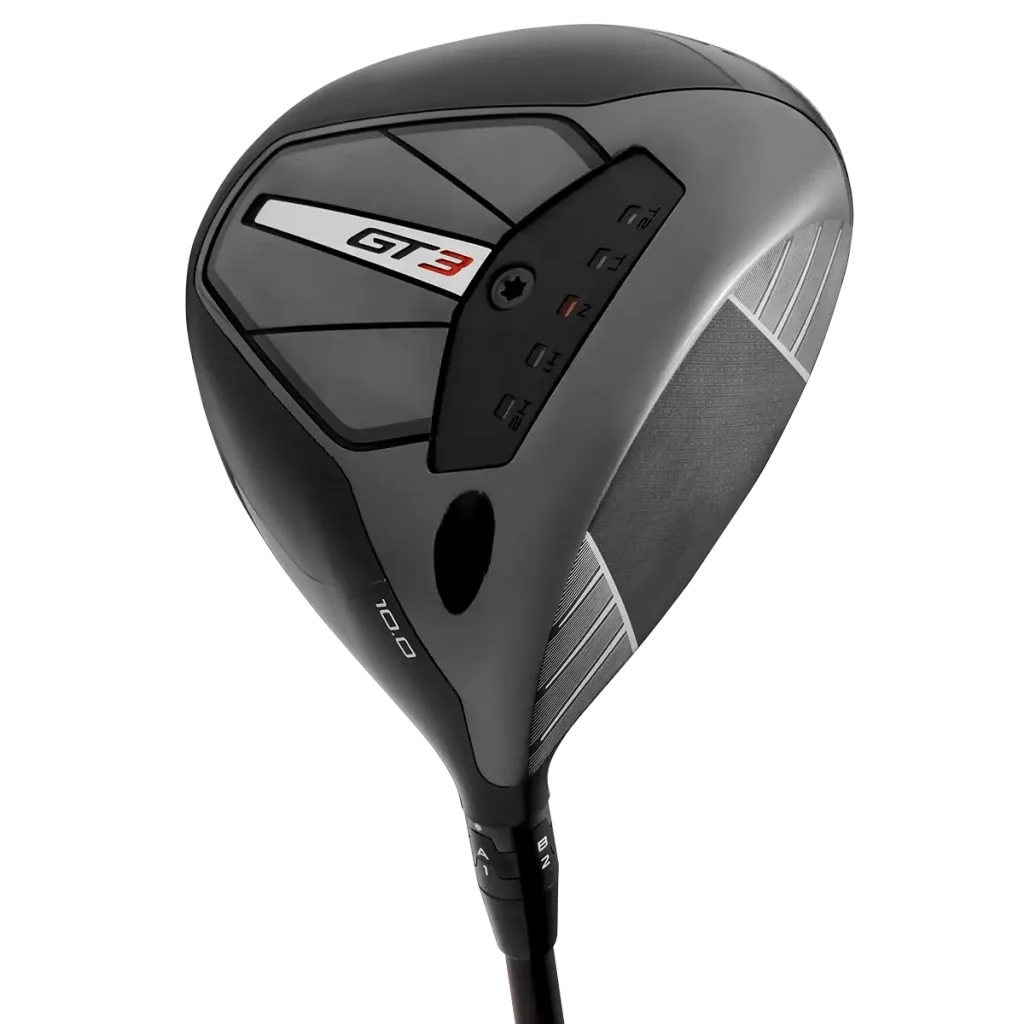
Titleist GT3
“If I had to think of a name for this, it would be ‘Old Reliable’. It’s just very consistent. It’s a classy look, and it delivers consistent, stable results. I really felt like I had complete control of the ball.”