Short-game spin is seriously reduced with less expensive models.
Q: I cheap out when it comes to buying balls, spending about $30 a dozen, and still shoot about 80. Would a tour-quality ball get me into the mid-70s?
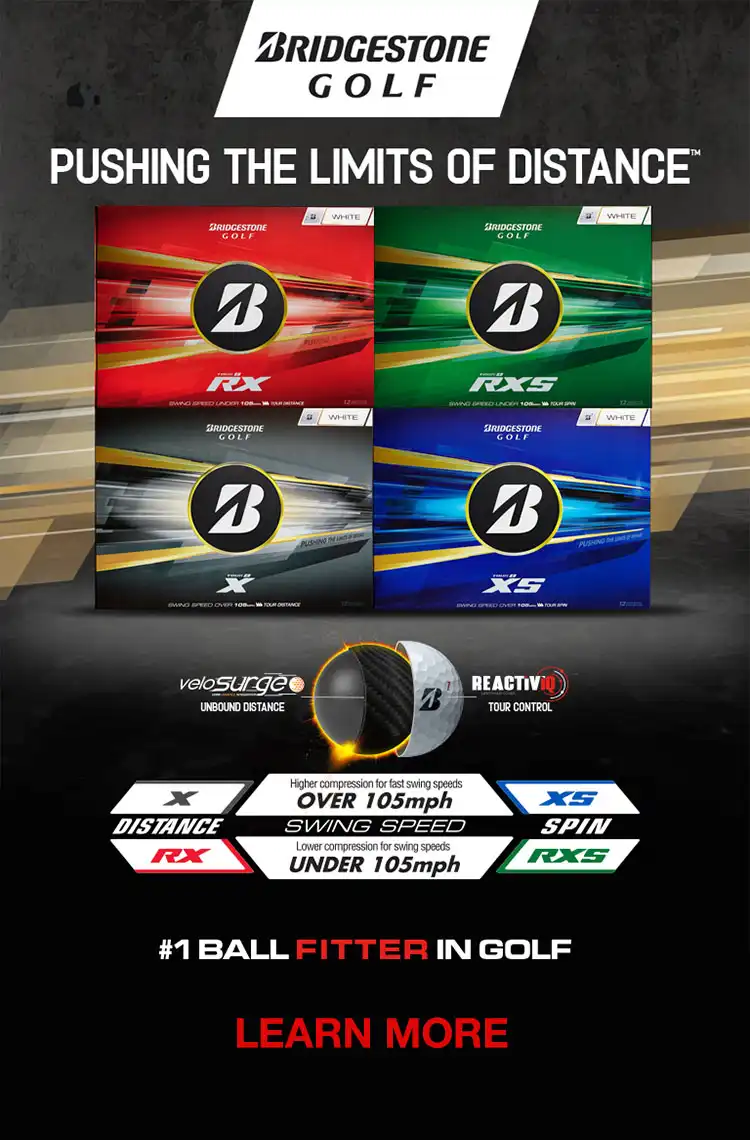
Upgrading your golf ball is unlikely to save you five or six shots a round. Although a change to a premium model, identified by having a urethane cover, should help your score, there are a few factors to consider.
For starters, what shot or shots are preventing you from shooting in the 70s? If your main issue, for example, is that you’re blasting two drives a round out-of-bounds, then a ball with more spin – the urethane-cover type – is probably not what you’re looking for.
However, if the short game is where you’re losing strokes, a change might be in order, but not necessarily. When you get around the greens, do you like to loft the ball up in the air and see it check and stop fast? If so, then a urethane-cover ball will help. If you prefer running your chips and pitch shots to the hole, that extra spin is worthless to you.
The best approach is to figure out what problem you hope to solve, then what kind of feel or trajectory you want. Beware of the temptation to determine a ball’s usefulness solely on how far you can whack it off the tee. Starting your ball-selection process from the green and working your way back is a better way to experiment.
Equipment tracker Golf Datatech looks at about 80 models of golf balls, and the technology ladder now has moved down to ones costing as little as $A27 a dozen. That’s a lot to sift through. (Note: no non-urethane ball earned Gold on this year’s Golf Ball Hot List.)
Will a ball change shave a half dozen shots from your scores? Not likely. But playing the right model is as important as being fitted for any club in your bag. Given that you’re already playing well with technologically inferior golf balls, the call here is that you can expect lower scores with a premium model.
Q: I feel like my 4-iron, 5-iron and 6-iron all go the same distance. Is that normal?
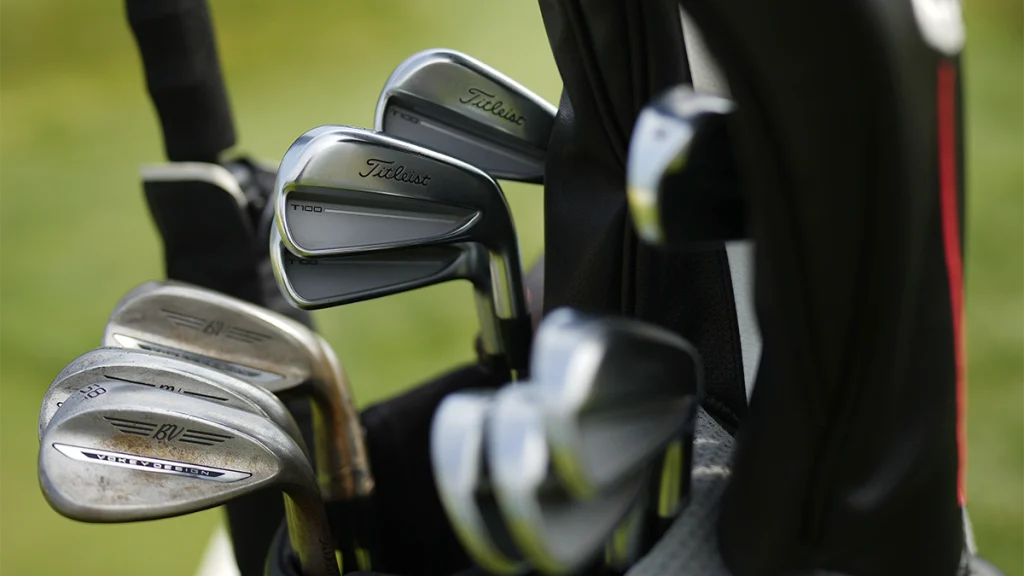
Multiple clubs going similar distances is very common, especially at the long end of the iron set. According to data from Cobra, more than 90 percent of golfers have at least one gapping issue in their set, defined by Cobra as two adjacent clubs within two metres in distance.
Consider the enduring words of one equipment executive: “Don’t think in terms of wood sets or iron sets or sets of wedges. Think of your bag as a place you get to invite 14 friends. You’re not going to bring one along that’s useless.”
Many players have a point in their bag at which the loft for a certain type of club becomes too strong for their swing speed to optimise ball flight. Here’s a good fix to think about for long clubs: high-lofted hybrids and fairway woods with their larger heads and longer shafts can help trajectory-challenged golfers achieve a better ball flight and more distance versus long irons.
Alternatively, you might not need another long club. Ditching that hard-to-hit 4-iron for an additional wedge you might use several times a round can prove very useful. There’s also the nuclear option: playing with fewer than 14 clubs. Your set make-up should be dictated by what earns a spot in your bag rather than a predetermined number.
Answers by Golf Digest equipment editors Mike Stachura, E. Michael Johnson and Jonathan Wall