WHAT YOU NEED TO KNOW: Toulon Golf’s new Formula Series mallet putters offer a new take on the “zero-torque” movement with a graduated approach to line up with your natural stroke type and preferences. Zero-torque putters, like those from L.A.B. Golf, Odyssey, Evnroll, Bettinardi and TaylorMade, feature weighting and shaft positions designed for the club to stay square to the path of the stroke, highly reducing the need for the hands to manipulate the putter back to square and engendering a straighter putting motion. Recognizing that golfers prefer different degrees of arc to their stroke, the Toulon team developed the three options in the Formula Series with varying shaft positions and levels of stability to fit those with moderate arc to those who prefer the least amount of face rotation in their strokes.
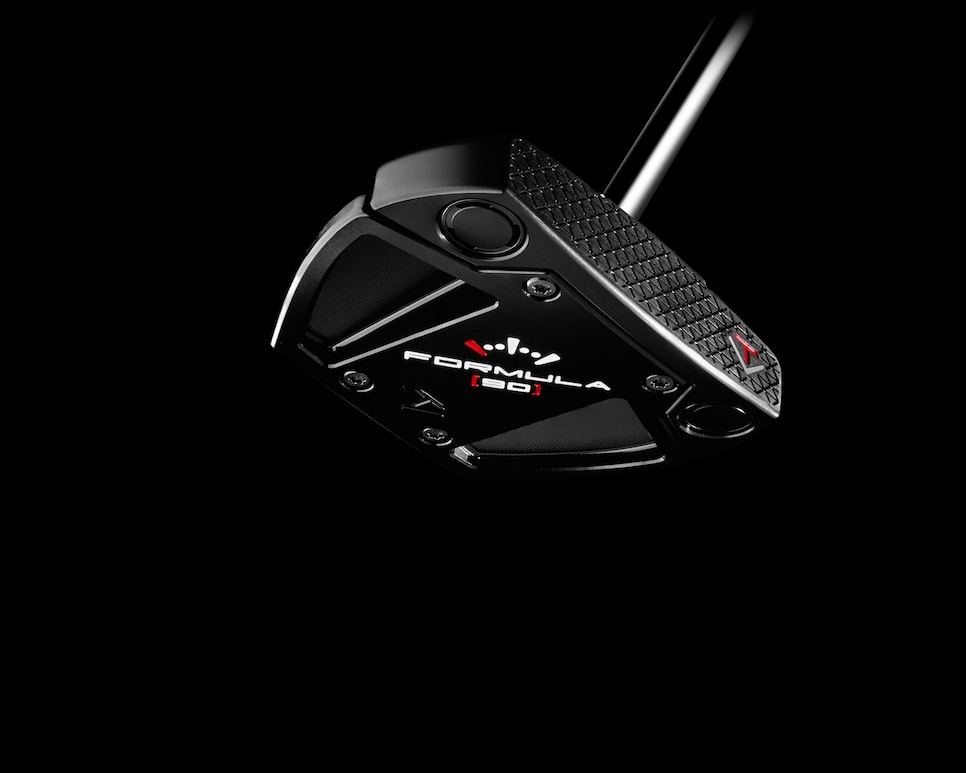
PRICE: $650. Formula [90], Formula [45], Formula [CS]. Stock head weights are 355 grams. A heavy spec (370 grams) also is available. 33-38 inches.
3 Cool Things
1. Hangin’ around. While the simplicity of what “zero-torque” putters might do to your putting stroke is easy enough to grasp, its practical application is complicated. One way to think about the philosophy is to reference the common putter characteristic known as toe hang. Toe hang refers to how the head’s weighting and shaft offset affect the face angle when it’s balanced on the shaft. Typically, the amount in degrees that the face hangs closed is its toe hang. While most heel-shafted putters have a positive toe hang or what’s called a “toe down” orientation and face-balanced putters like those using a double bend shaft tend to have no toe hang with the face pointed toward the sky when the putter is balanced on its shaft, zero-torque putters tend to have a negative toe hang with the face pointing distinctly perpendicular to that face-up position, and in effect, pointing toward the target. As such, it could be said that zero-torque putters might have a “toe up” orientation, or a negative-90 toe hang, said Preston Toulon, co-founder of Toulon Golf.
“When we began trying to answer this question within our walls, it sort of turned into a question of toe hang,” he said. “In the course of golf history, golfers have been trying to match their strokes to a certain putter neck. When you begin thinking about toe hang on a spectrum, traditionally we’ve really had it covered off from zero like a face-balanced putter to 90 like a toe-down Bullseye from yesteryear. But what about that gap between 0 and negative 90? Why is the area between 0 and 90 so densely populated but the area between 0 and negative-90 not so densely populated? That’s the question we set out to answer.”
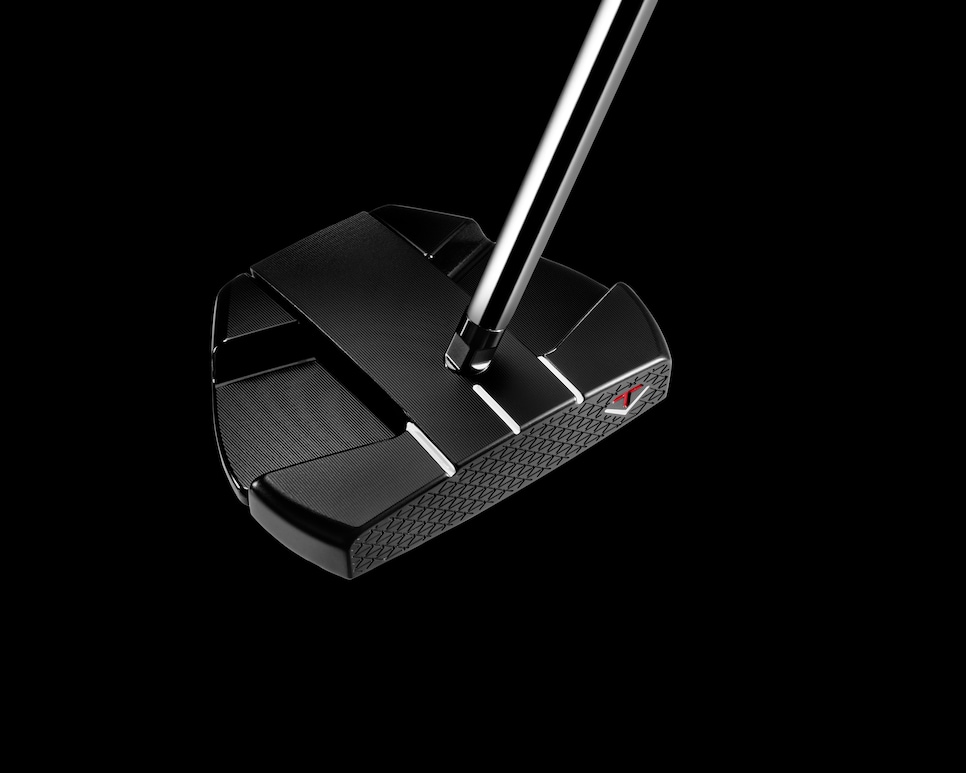
In essence, the sense from the team at Toulon was that there was a range of zero-torque putters. Hence, the company will launch three models across that range. The Formula [90], as the name implies, is the full zero-torque design with the shaft more rearward (and in line with the head’s center of gravity) with more than a half-inch onset and a 0.7-degree forward shaft lean. It targets players who prefer a stroke with the least amount of arc. The Formula [45], a reference to what Toulon calls a negative-45 degree toe hang, caters to strokes with a shallow arc with slightly less onset and less forward lean compared to the Formula [90]. According to Toulon, the Formula [45] serves as an answer for those players who tend to miss putts to the left when using a traditional zero-torque design.

“For a lot of people, it’s really hard to make that adjustment from a positive toe hang value to zero torque,” he said. “It’s just going against everything that they’ve done in their entire lives. Formula [45] is actually designed to amplify and encourage you to keep opening and closing it a little bit if you still want to keep some of that arc from your natural broke because that’s what feels correct to you.”
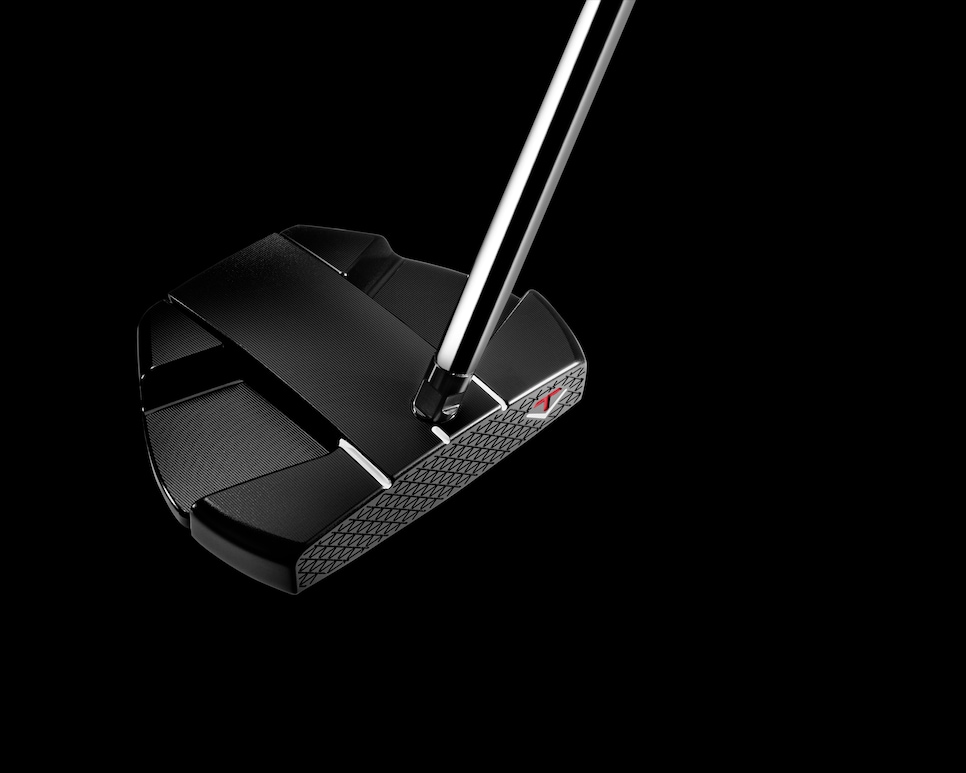
The third option, Formula [CS], features a traditional center-shafted design with the least amount of onset (where the face is forward of the shaft), what is basically zero toe hang, and no built-in forward shaft lean. It lines up with strokes that feature a bit more arc in them, and Toulon noted that it targets players who not only might be missing putts to the left with a zero-torque design but also might be leaving the face open on typical face-balanced putters with double-bend shafts.

2. Gaining momentum. While placing an emphasis on building easier strokes, all three Formula Series putters also offer the highest stability on mis-hits of any Toulon Golf putter, incorporating heel-toe weighting and multiple materials. The top and front portion of each Formula putter is milled from 304 stainless steel, while the sole region is milled from 6061 aluminum. The heel and toe weights at the front of the sole come in five-gram increments, starting with a custom 5-gram aluminum weights for players who prefer a lighter putter, then the standard 10-gram stainless steel weights, and also offering 15-, 20- and 25-gram weights made of tungsten. The moment of inertia in each model is over 6,000 grams-centimeters squared, or more than 10 percent higher than Toulon’s more extreme shaped Indianapolis model.

3. Face facts. All three models feature the Toulon diamond milling pattern that has been used on many of its designs over the years, including the Odyssey No. 7 that Xander Schauffele used to win the PGA Championship and Open Championship in 2024. The pattern features diamond shapes surrounding a horizontal groove. The pattern is designed to quiet the overall impact sound to create a sensation of a softer feel at impact. The grooves are designed to enhance forward roll.
This article was originally published on golfdigest.com