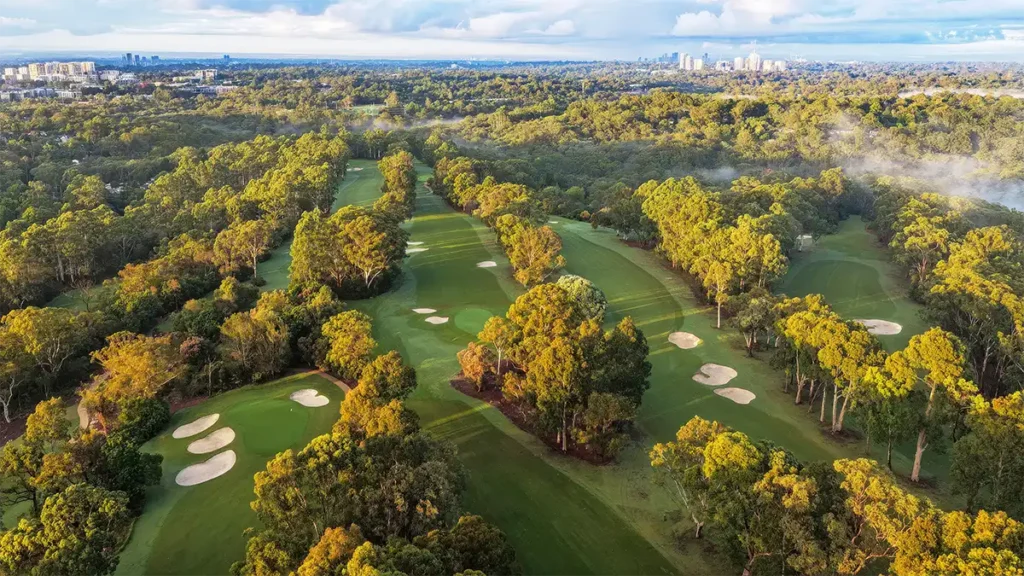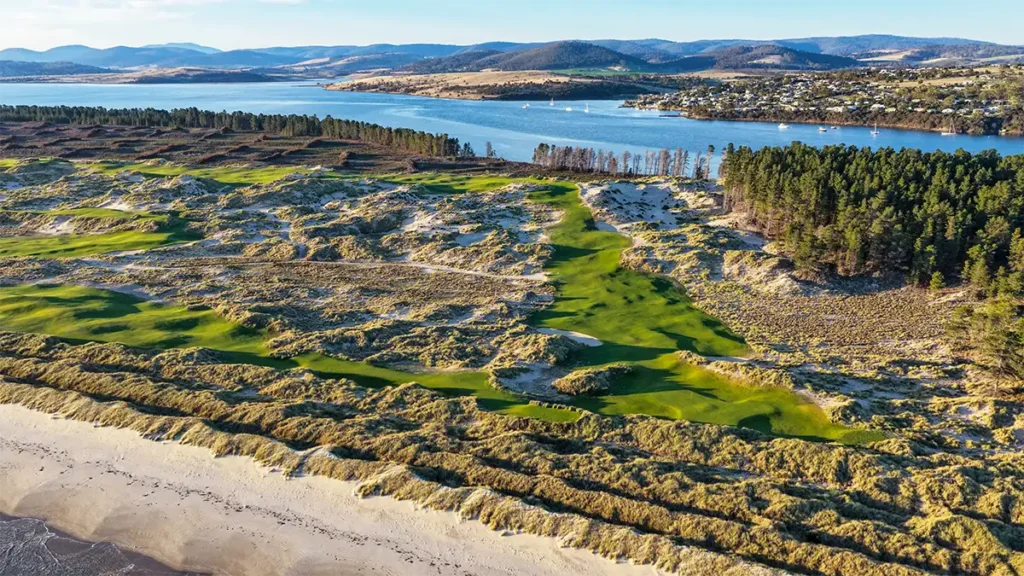
[Photo: Nikki Martinek]
Australian golf courses are struggling to find qualified greenkeeping staff at a higher rate than any other part of the turf management industry, according to new survey data from Greenway Turf Solutions, even as course maintenance budgets remain stable or grow.
The State of Australian Turf 2026 survey, which gathered responses from more than 400 turf managers nationally, found that 41 percent of the 164 golf course respondents – spanning private, public, municipal and resort courses – named recruiting and retaining qualified staff as their single biggest challenge. That is well above the 34 percent recorded across the wider turf industry, and more than double the next-most-cited issue, rising input costs (18 percent).
RELATED: The crisis facing Australian golf
Hiring turf maintenance staff was rated at least moderately difficult by eight in 10 golf course respondents, including 41 percent who described it as “very difficult” or “critical”, with unfilled positions actively affecting course operations.
The data suggests golf courses are not being starved of funds. Golf-course respondents reported their maintenance budget had either stayed the same or increased in the past 12 months in 96 percent of cases, with only 3 percent reporting a decrease, making the workforce shortage a supply-of-labour problem rather than a spending problem.
That disconnect showed up repeatedly in respondents’ open-ended comments. One respondent pointed to a classified ad for a qualified greenkeeper at a prestigious Sydney eastern suburbs club offering $28 to $32 an hour; pay that several respondents said made it impossible to compete with other trades for the same calibre of candidate, let alone cover rent in the area the course sits in.
Asked what single change would most improve turf management standards nationally, golf course respondents most often pointed to greater industry recognition and professional status for turf managers, followed by better training and career pathways, ahead of calls for more funding. Industry-wide, 70 percent of respondents said their facility now runs a preventive, planned-program approach to turf health (regular soil testing and scheduled treatments) rather than reacting to problems as they arise – a sign of a more professionalised approach to the trade that isn’t yet being matched by pay and recognition.
“Healthy turf starts with skilled people,” says Chris Chapman, director of Greenway Turf Solutions. “This survey shows Australian turf managers are doing more than ever with increasingly stretched teams, while continuing to lift professional standards. The challenge now isn’t just agronomy, it’s ensuring the industry remains an attractive career.”
The State of Australian Turf 2026 survey collected 404 responses from turf managers across golf courses, sports fields and stadiums, council parks, racecourses, bowling clubs, turf farms, education facilities and residential/commercial turf operations nationally between June and July 2026. Forty percent of those surveyed work at golf courses.