WHAT YOU NEED TO KNOW: The Srixon ZXi RKT line-up of drivers – standard ZXi RKT, low-spin ZXi RKT LS and full forgiveness ZXi RKT Max – represent a recommitment to tour-preferred sound and lower centres of gravity. The keys behind that are new internal rib structures to control sound, weight-saving carbon composite crowns and a new titanium alloy in the face insert designed to improve face deflection across a broader area. The line is supplemented with new fairway woods and hybrids as well.
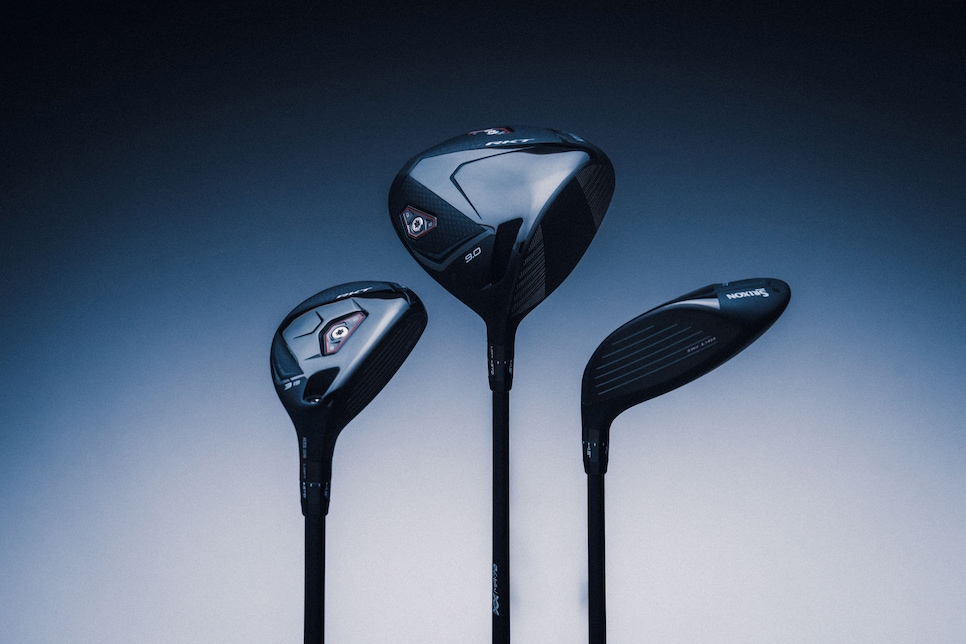
OPTIONS, PRICE & AVAILABILITY: ZXi RKT drivers: ZXi RKT (9, 10.5 degrees); ZXi RKT LS (9, 10.5 degrees); ZXi RKT Max (9, 10.5, 12 degrees). All drivers with 12-way adjustable hosel (+/- 1.5 degrees). ZXi RKT fairway woods (13.5, 15, 18, 21 degrees; with 12-way adjustable hosel). ZXi RKT hybrids (17, 19, 22, 25, 28 degrees; with 12-way adjustable hosel). Australian pricing is still TBC; available at retail from October 16.
RELATED: Srixon’s ZXi5, ZXi5+ and ZXi7 irons – what you need to know
3 Cool Things
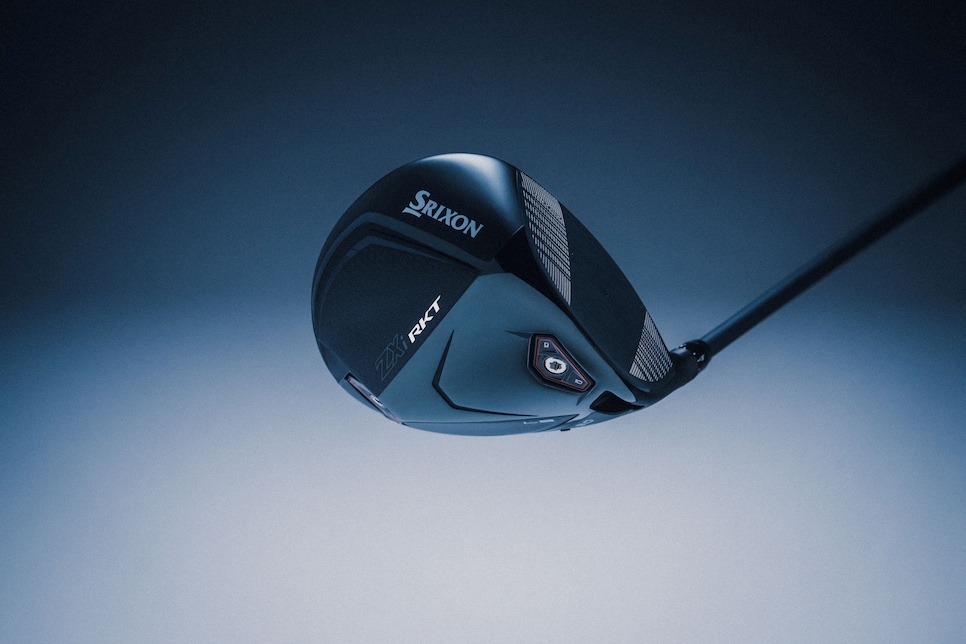
1. Sound thinking. It’s not that driver performance in terms of forgiveness, ball speed and lower-spin are an obvious and easy development project (see point No.2 below), but those are a given and clear target. Getting focused on sound is an elusive and changeable metric, and the team at Srixon took on the mission of improving sound in its three model ZXi RKT driver launch with specific tactics for each model. All of that work started with a lot of theoretical work and a lot of listening, said Patrick Ripp, Srixon’s tour engineering manager. “This driver line was kind of a few years of intense tour prototyping and research,” Ripp said. “We’ve really ramped up our sound research. We have this rib optimisation tool that lets us make the rib locations that hit our optimal frequency that we want to hit. It was a lot of checking those optimisations in every different weight configuration. This was the time to really emphasise that we’re serious about sound and feel, and these drivers represent that.”
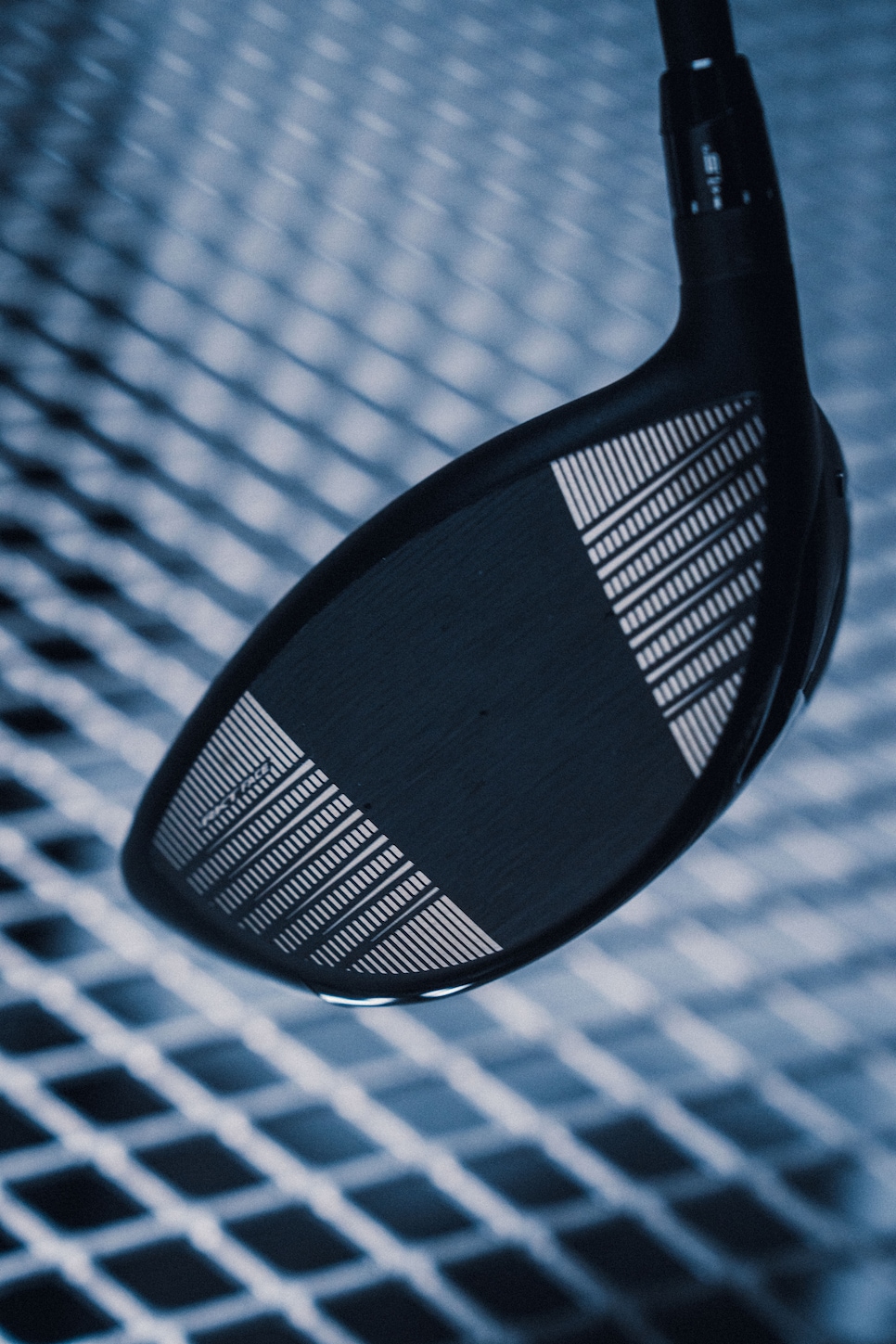
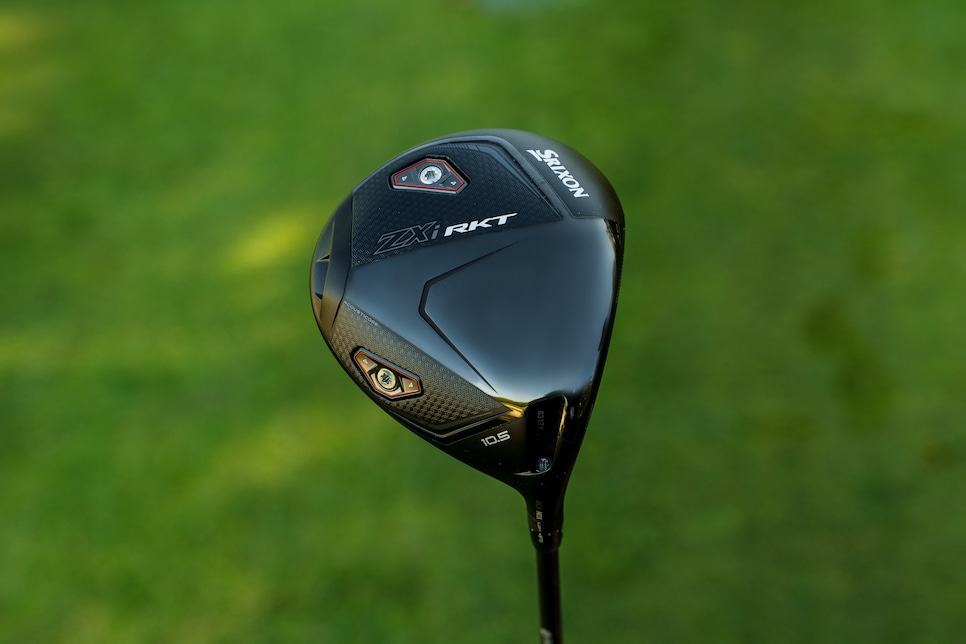
Ripp also noted that the sound rib structures and placement are different for each model because each model fit a different sound profile. Dialling in the optimal sound was also challenging with the sole weight ports that provide another potential source of unwanted vibration. “Adjusting those weights and flipping the weights or adding more weight… changes the sound pretty drastically,” he said, noting the carbon composite crown piece on all three models provided weight savings that could be used to develop the internal ribs without negatively affecting the goal of lower centres of gravity, too. “You can thicken the soles, and it will help with sound, but you’re really starting to hurt your CG properties. The carbon helps, the face material helps a little, but a lot of it still comes down to doing the work and experimenting to get it tuned properly.”
2. Power sources. The carbon composite crown is a crucial part to improving these drivers’ overall mass properties in terms of specific CG locations and improved stability on off-centre hits (moment of inertia). But there’s an upgrade to the business end of these drivers, too. The face insert is now made of VR Titanium alloy, which was developed originally for the company’s XXIO line of high-end drivers. That alloy enables a thinner face structure (known as i-Flex), which includes a unique approach that’s thinner in the centre with supporting thicker regions at the extremes. The driver also continues Srixon’s “Rebound Frame” design that includes two flex zones in the front part of the crown that aim to let the face and body flex together. A new face curvature from crown to sole (roll) aims to produce more consistent flight and tighter dispersion.
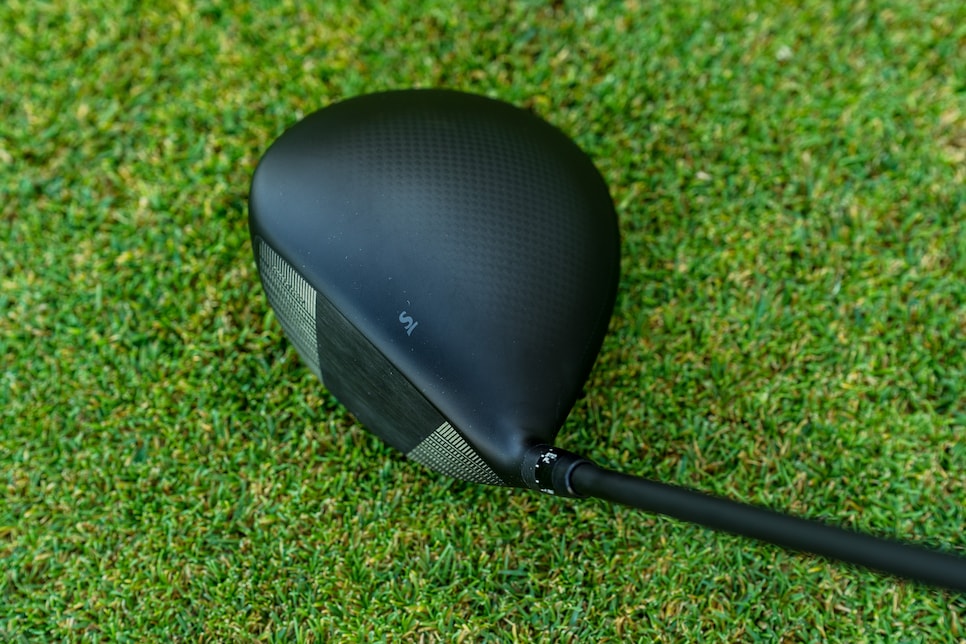
As was the case with previous Srixon driver, the three models target three different player types. Heavily influenced by tour preferences (including Ryan Fox, who played a version of the new model in winning the Open Championship), the ZXi RKT LS incorporates a deeper face than in the past but uses the carbon composite crown to create the lowest CG the company’s ever had and the lowest spinning option they’ve had. The ZXi RKT Max targets players looking for a slightly straighter ball flight with maybe a touch of draw bias built in and a naturally higher flight. It will spin more than the other two models. The standard model, ZXi RKT, features a shape similar to the shape of the ZX5 models Fox and Shane Lowry have played, Ripp said, “with maybe a touch of draw bias, higher launching and a little bit more spin.”
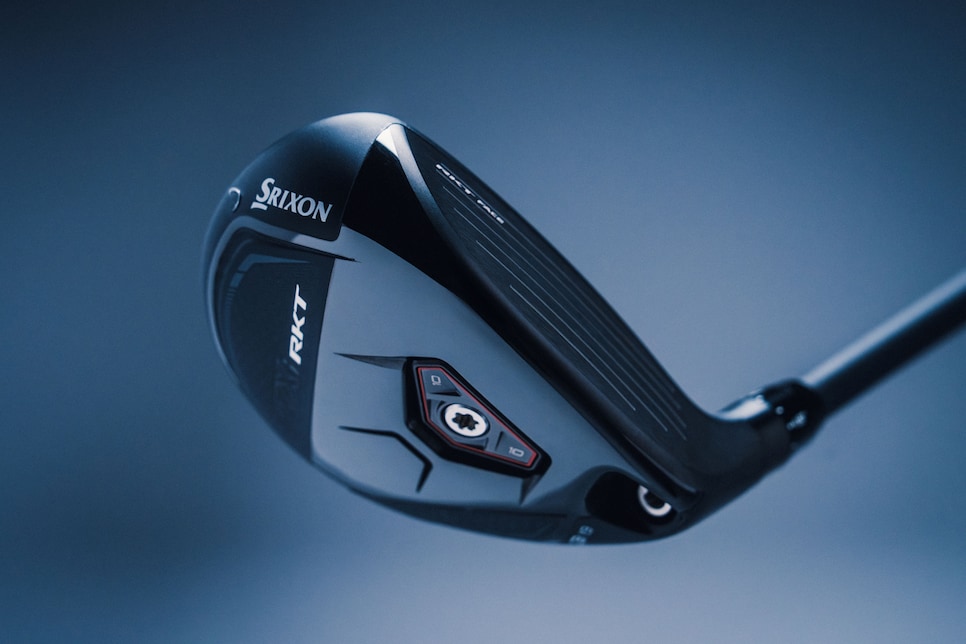
3. Long game. The ZXi RKT line wraps up with new fairway woods and hybrids, all with adjustable hosels and a weight in the sole that can be swapped for heavier or lighter options (a 10-gram weight is standard, but alternatives range in two-gram increments from 2 to 16 grams), based on player preferences. The strong 3-wood (13.5 degrees) and standard 3-wood feature a weight-saving, CG-lowering carbon composite crown. Both the fairway woods and hybrids embody their own forms of the RKT face technology that combines a thinner overall design with new concepts in face curvature that marry more face deflection with more consistent dispersion downrange. Both shapes were driven by tour player input and overall reflect a more compact presentation, including a 142cc 7-wood and low-lofted hybrids that barely reach the 120-cc threshold.