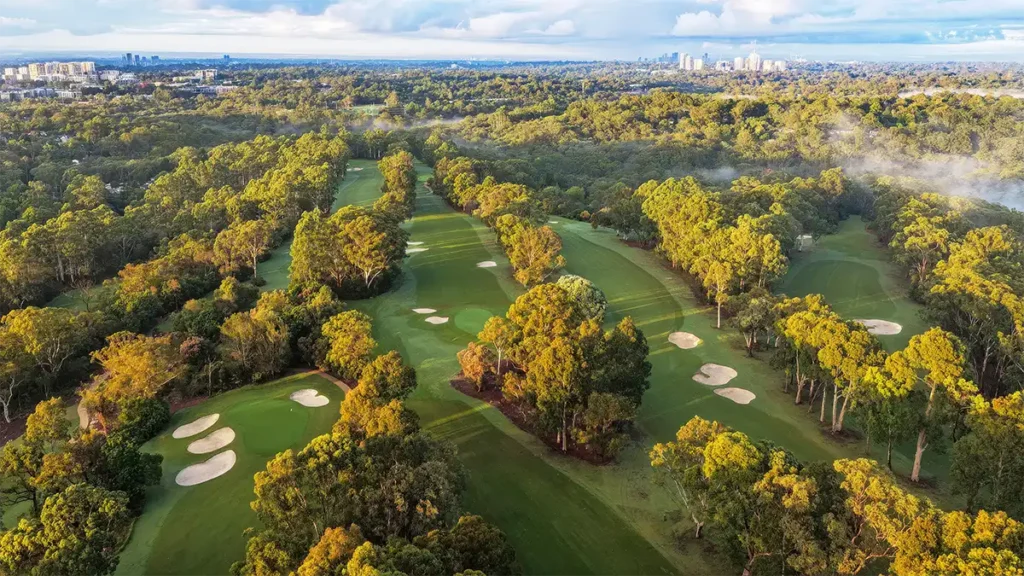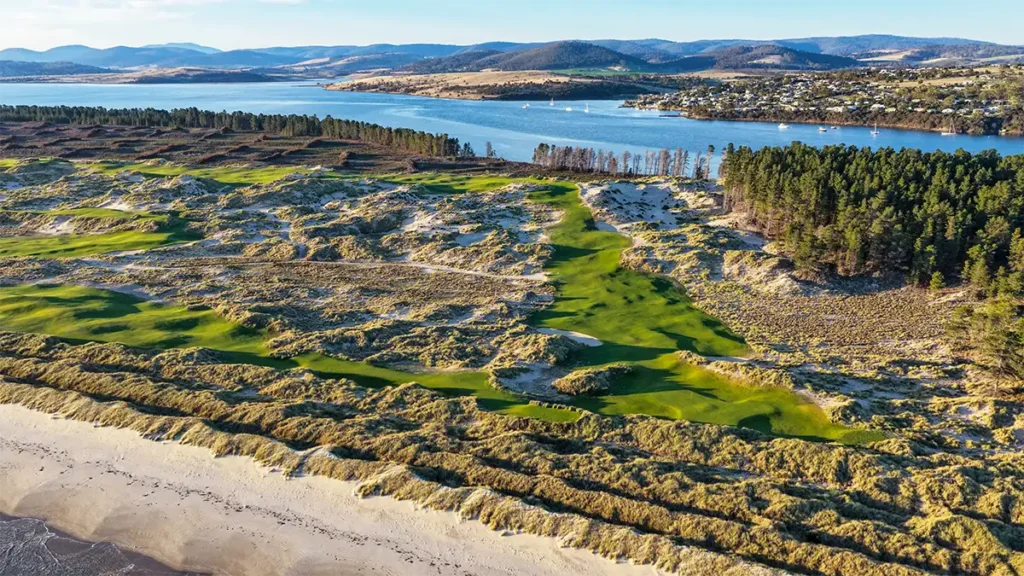
A greater focus on golf’s national opens can only be a good thing.
National opens, it seems, are having a moment. So they should, given they are arguably the most important tournaments in our game outside the major championships. Many are among the oldest tournaments in golf, from the South African Open’s inception in 1903 to the founding of the Canadian and Australian championships in 1904.
Earlier this year, the organisations of Augusta National Golf Club and the R&A put their resources together to extend an invitation to the 2026 Masters to the winners of six opens – the South African Open, Australian Open, Japan Open, Spanish Open, Hong Kong Open and Scottish Open. The R&A, meanwhile, grants automatic exemptions to top finishers at specific events around the world through its Open Qualifying Series. The Australian Open sees the top three not already exempt receive a start at the next year’s Open Championship.
The R&A had been doing that for the Australian Open, and others within its series, since 2013. But why now, in 2025, has Augusta National followed? In part, because the decision complements existing philanthropic efforts from the famous club that runs the Masters to grow the game globally, which include the Asia-Pacific Amateur Championship, for which the winner is invited to the Masters and The Open, and the Augusta National Women’s Amateur.
The role of Rory McIlroy must also be acknowledged within that push, especially now he is forever connected to Augusta National having won this year’s Masters to complete the career Grand Slam. Over the years, the Northern Irishman has become “the national open guy”. When he won the Irish Open in a playoff in September, the number of national opens in his trophy cabinet grew to nine total victories across seven different championships: the US Open, Open Championship, Irish Open (two), Scottish Open, Canadian Open (two), Australian Open and Hong Kong Open. He has, for several years, publicly praised national opens and when he has, he’s always chosen the Australian Open, which he won at Royal Sydney in 2013, as his top example.
“Some of the national opens, [we need to] try to revitalise some of those that have some great history in our game and a lot of tradition, like the Australian Open,” McIlroy said in 2023. “To me, I’ve won quite a few national opens and they’re probably some of my most prized possessions in my trophy case. It’s being able to try to compare yourself to previous generations.”
McIlroy practised what he had been preaching when he announced in May that he would return Down Under and play the Australian Open for two years, this year at Royal Melbourne and in 2026 at Kingston Heath. Months later, the Augusta National pathway from the Australian Open was revealed.
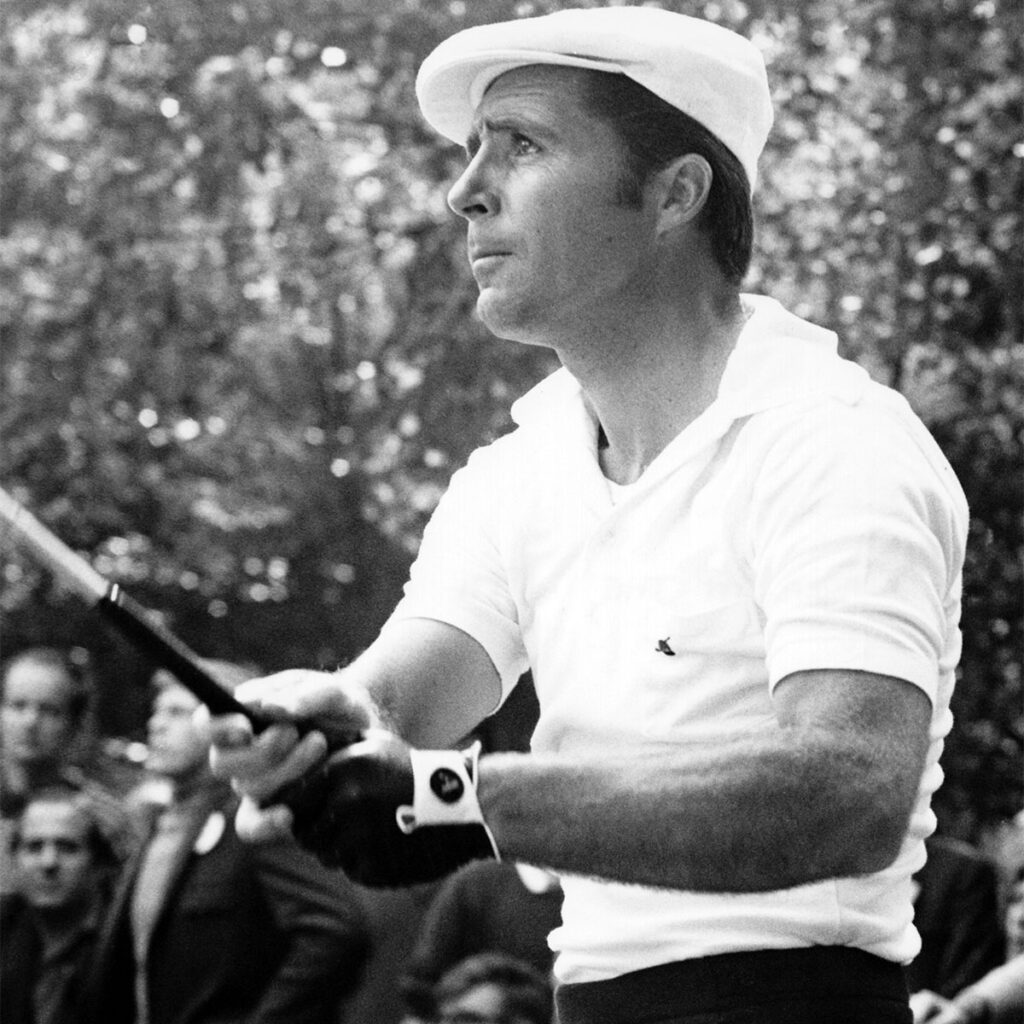
McIlroy, 36, is the modern game’s national open king. But we felt it would be remiss not to reach out to the legend who held the mantle before McIlroy – Gary Player – and ask for his reaction to the re-elevation of these events. After all, Player’s national opens included the Open Championship (three), the US Open, Chile Open and Brazil Open (two). He also holds the record for most wins at the Australian Open (seven) and South African Open (13).
“The national open of a country is always its most important championship, and I am absolutely delighted that Augusta National is now honouring both the Australian Open and the South African Open winners with a spot in the Masters,” Player told Australian Golf Digest. “These events are part of the game’s soul.”
Player, who turns 90 on November 1, said becoming something of an honorary Australian is why he considers the Stonehaven Cup the most prestigious of all his open trophies outside the majors. He hoisted the Stonehaven in Adelaide, Perth, Sydney and Melbourne, including twice on the Sandbelt: at Royal Melbourne (1963) and Kingston Heath (1970).
“For me, the Australian Open was always closest to my heart, outside the majors, because of the fierce competition and the world-class courses,” Player said. “It’s wonderful to see them being given the recognition they deserve.”
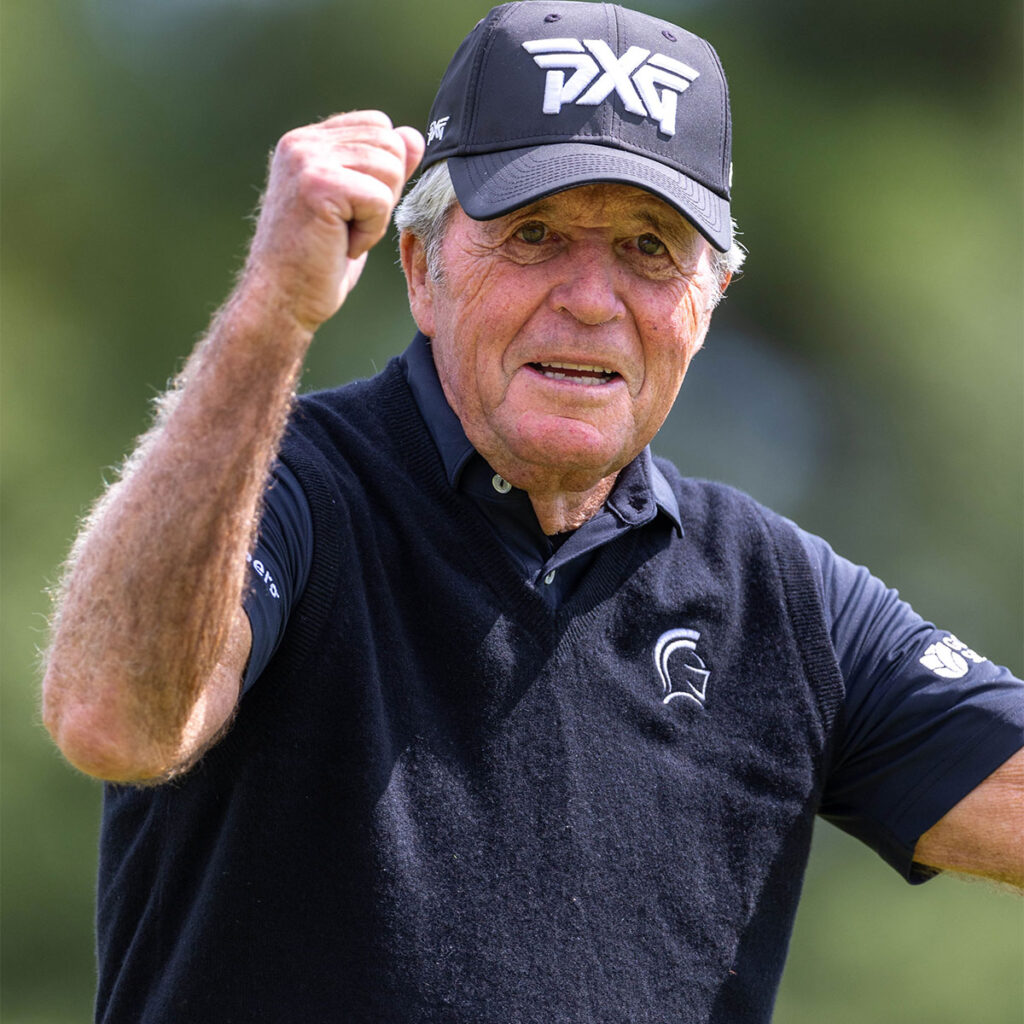
In fact, Player is such a fan of McIlroy’s, Augusta National’s and the R&A’s quest to elevate golf’s national opens, when asked if the US Open and PGA Championship should also create a direct exemption category for winners of the six national opens, he heartily agreed.
“Absolutely; golf is an international game, and we must never forget that,” Player said. “Recognising national open champions with opportunities like this only strengthens the global reach of the sport.”
As a fellow winner of the Masters – three times, in fact – Player applauded McIlroy for travelling Down Under during his reign as the green jacket holder.
“It’s tremendous; to have a Masters winner and Grand Slam champion like Rory competing will enhance the prestige of the [Australian Open] even further,” Player said. “When I played in Australia, we travelled for the love of the game. Having someone of Rory’s stature come down shows just how significant the Australian Open still is and how it is re-establishing itself on the global stage. Australia gave me some of the greatest experiences of my life. The courses, the people, the love. I truly miss the Australian Open and hope it continues to hold its rightful place among the world’s most important championships.”
Photography by mcIlroy: Mark metcalfe/getty images • player:Peter Dazeley, Kenny Smith/getty images