Cobra’s latest King line of wedges uses a metal-injection moulding process that produces tighter manufacturing tolerances, reducing the need for hand polishing that can lead to inconsistencies from club to club.
The irons are completely 3D-printed, allowing for a level of precision and intricacy, according to the company, not available in clubs that are forged or cast.
While Woods has been on staff with Bridgestone since 2016, his Nike golf balls dating back to the early 2000s were also made by Bridgestone, something he confirmed in the latest contract announcement.
The Titleist GT hybrids (GT2 and GT3) benefit from refined shaping and new internal and external weighting to push new levels of stability and forgiveness.
The Titleist GT1 line-up of driver, fairway woods and hybrids continues the idea of bringing the technology of the mainstream line-up to players who are looking for more help with clubhead speed, forgiveness and higher launch.
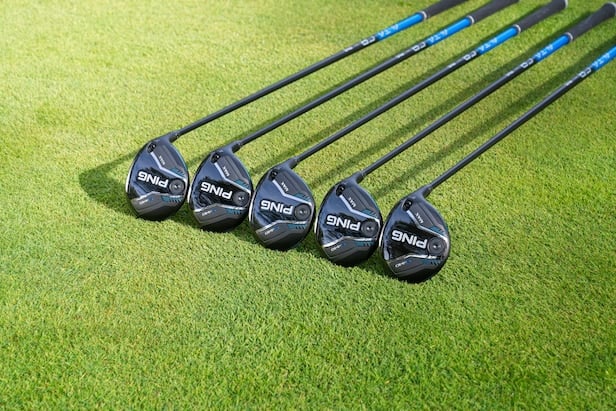
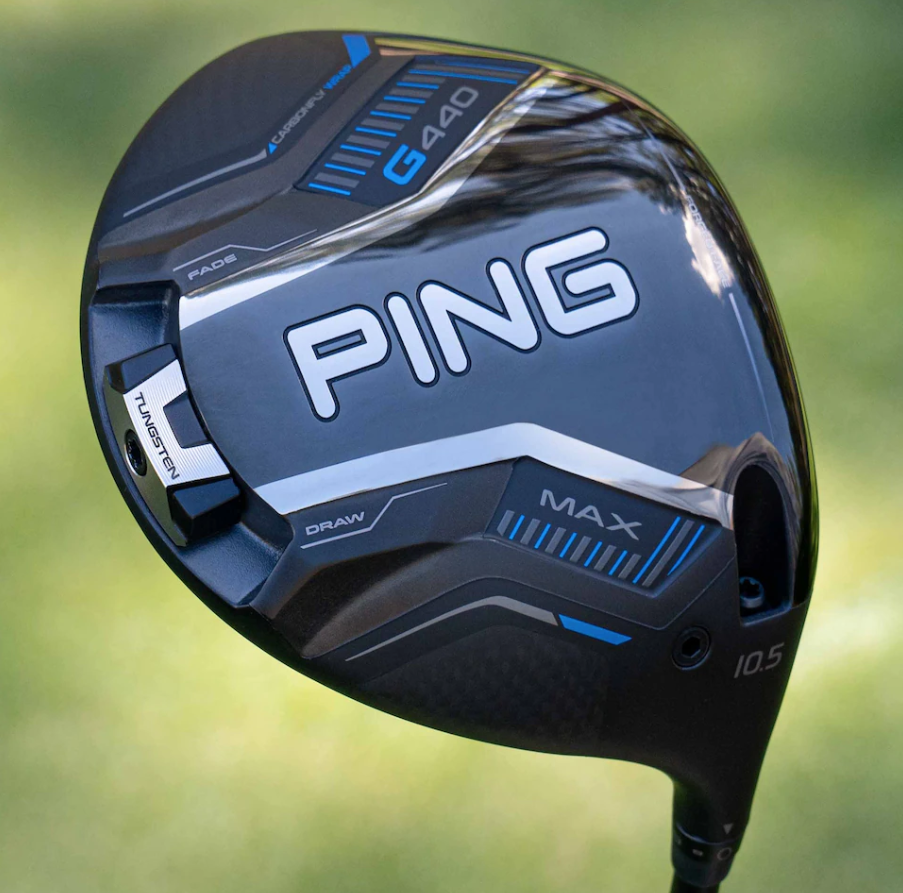
The Ping G440 fairway woods and hybrids both utilise a new internal hosel structure that frees room for the face to deflect while saving mass that can be used to lower the centre of gravity for easier, more spin-efficient launch.
Mizuno’s M.Craft X putter line-up mixes not only materials, it also mixes the performance aspects of blades and mallets to produce designs that offer the best of both.
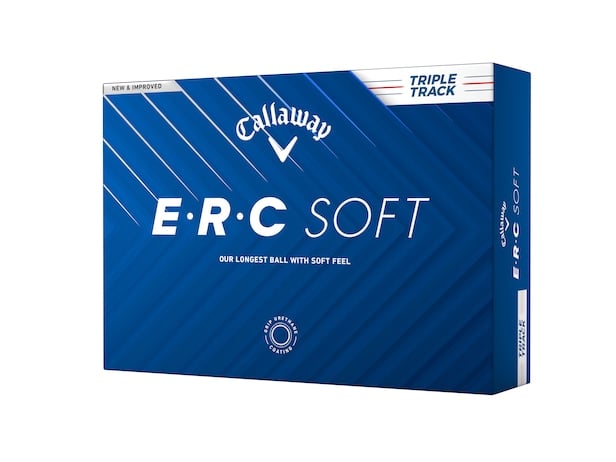
Both models look to increase the potential for distance and ball speed by reducing the thickness of the cover but increasing the thickness of the spin-reducing mantle layer between the core and cover.
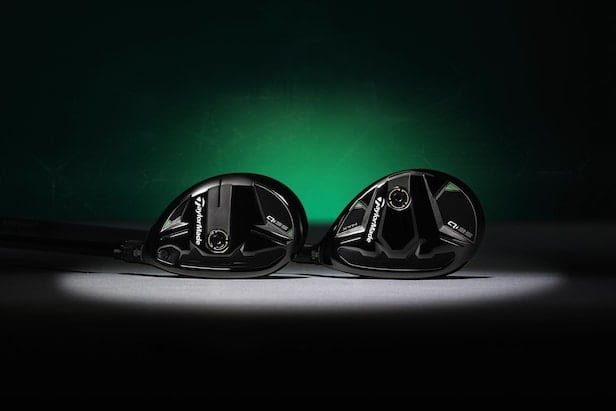
With two easy-to-hit shapes boasting multi-material constructions and a re-imagined TSS weighting system, TaylorMade’s Qi35 rescues – also known as hybrids – are designed to save shots from some of the trickiest distances.


 Australian Golf Digest