The pros and cons of easy-to-hit irons designed to forgive your mis-hits.
You might find the look of super-game-improvement (SGI) irons to be a bit clunky, even downright gargantuan, but their allure is as clear as the mythical fountain of youth. They can restore lost metres that time or eroding skills have taken away or provide a tangible boost for developing players.
However, data from our Hot List testing shows that the players who probably need SGI irons the most might not get more distance from them. What they get is more important than that.
During equipment-testing sessions, we use Rapsodo’s MLM2 Pro launch monitor to track every shot from our group of 32 player-testers. The testers are divided by skill level into three handicap groups, and only the higher handicappers hit SGI irons. To gauge how much of an advantage these clubs might offer, we compared how players hit SGI irons versus irons in the game-improvement (GI) category – clubs with a more traditional appearance but fewer forgiveness features. Digging into the data, we saw that the average carry distances for the GI models were longer in nearly every case (six of the seven pairs) when compared to the same company’s corresponding SGI iron model. The overall averages among the 12 players who hit both irons showed GI models flew 2.02 percent further than the corresponding SGI model. In practical terms, that’s three metres on a 150-metre shot.
Things changed when we looked at shot dispersion. Taking the data from the Rapsodo devices and analysis by Tom Mase, Ph.D, retired professor of mechanical engineering at California Polytechnic State University and a long-time member of the Golf Digest Technical Advisory Panel, SGI irons delivered a significantly tighter area of dispersion than GI irons. In some cases, the dispersion was nearly 50 percent tighter compared to a company’s corresponding GI iron. Overall, shots from our testers who hit SGI irons fit into a space about 25 percent smaller than those same players achieved when hitting GI irons.
Those are substantial consistency gains, but, as noted at the top, the trade-off can be the look of SGI irons. They generally feature a larger overall shape, including a deeper sole, a thicker topline and more perimeter weighting. The good news is, those enhancements usually yield a centre of gravity that is lower to help shots launch higher. A good rule for identifying SGI irons is to use the width of your thumb to measure the depth of the sole. SGI irons feature soles that are thicker than thumb-width, and the soles on GI irons tend to be narrower.
In addition, SGI irons are usually designed with greater stability on off-centre hits as well as more offset from head to shaft to aid both higher launch and ease of squaring the face at impact. GI irons try to incorporate some of those properties but in a more compact, thinner head shape and a straighter connection to the shaft.
Forgiveness on mis-hits is strong medicine, but visual appeal can be seductive when it comes to choosing clubs. When we looked at what that same tester group said in our Hot List criterion of Look/Sound/Feel, the sleeker GI irons fared much better than the bulkier SGI entries. Based on our five-point scale, the average rating in L/S/F was almost half a point higher for a GI iron than for an SGI iron. While it’s clear that our players prefer the sensory experience of GI irons over SGI irons, our data on ball flight shows that SGI irons would lead to an increased likelihood of hitting greens in regulation, and on greens hit, the resulting putts could be 10 to 15 feet closer.
Does this mean all higher handicappers should play SGI irons? No. In fact, none of our testers play SGI irons. Picking the right irons is largely based on the individual, and any qualified clubfitter will tell you that whether an iron is categorised as SGI or GI shouldn’t mean nearly as much as how each model performs in your hands. We offer two quick case studies.
Matt Singer, an 11-handicapper with moderate swing speed, hit the Mizuno JPX925 Hot Metal HL (SGI) irons much better than the JPX925 Hot Metal (GI) counterpart. He averaged seven more metres with the JPX925 HL and had a much tighter miss pattern and a better landing angle. Said Singer of the SGI model, “It produced straight shots with maybe the slightest bit of a draw.”
Shane Popham is a 15-handicapper who swings about 20 miles an hour faster than Singer. He hit the JPX925 Hot Metal (GI) just as straight but much further than the higher-lofted, spinnier SGI version. “Good shots were electric, booming off the face,” Popham said. “It’s like a driver in the face of an iron.” Every player is different. The higher launch and extra spin made the SGI version a better fit for Singer.
Bottom line: when you’re evaluating your next set of irons, boosting all-out carry distance always should be a goal, but maybe put your feelings of what you think an iron should look like on the shelf. Focus instead on what your shots look like. There’s nothing prettier than a whole lot of balls that end up a lot closer to the hole.
Hot List Tested
Super-game-improvement irons
We had our higher handicappers test the SGI category. Their picks range from the oversized but traditional-looking to sets designed like hybrids from top to bottom. Here’s a sampling:
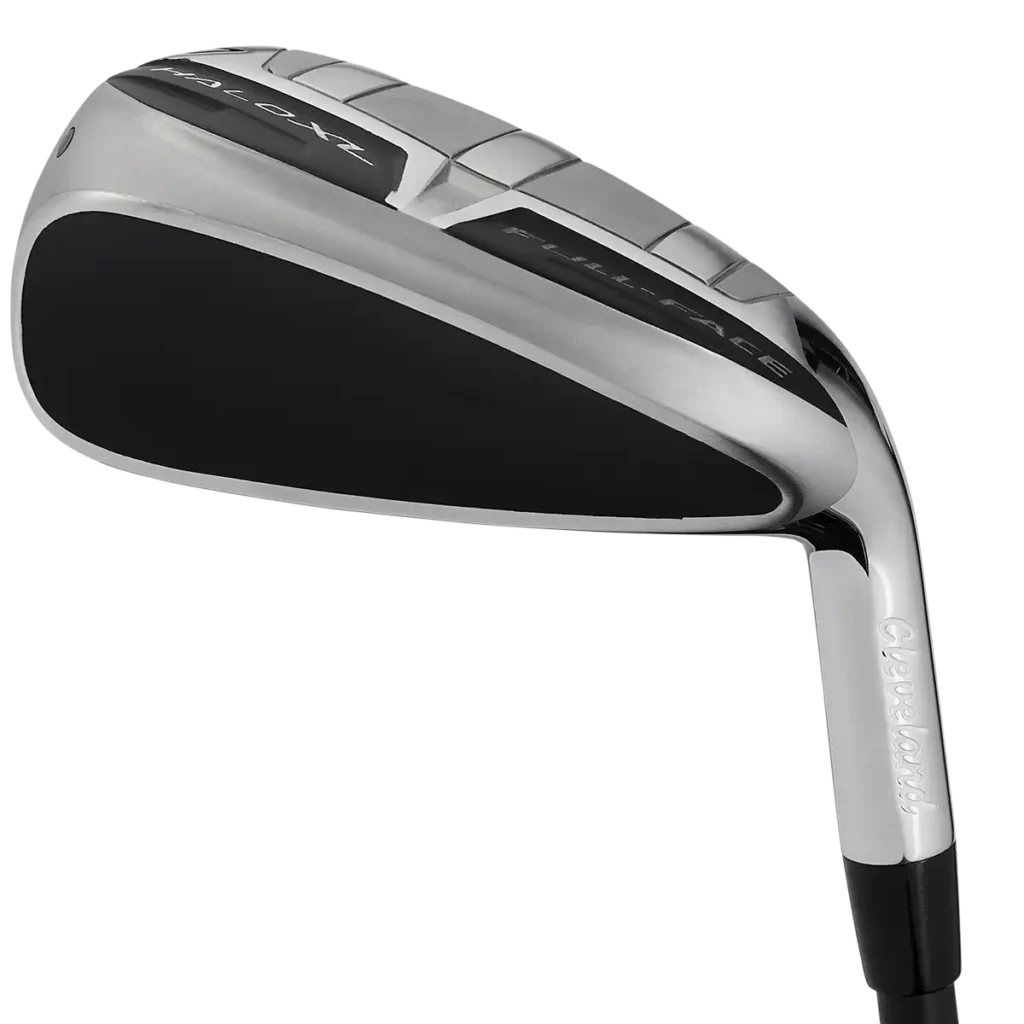
Gary Abbott, 37
13-handicap
Cleveland Halo XL Full-Face
“The progressive look is an improvement on all-hybrid sets. I liked the longer clubs in terms of how consistent and forgiving they were. Hammer-like feel at impact. Consistent distance, medium trajectory.”
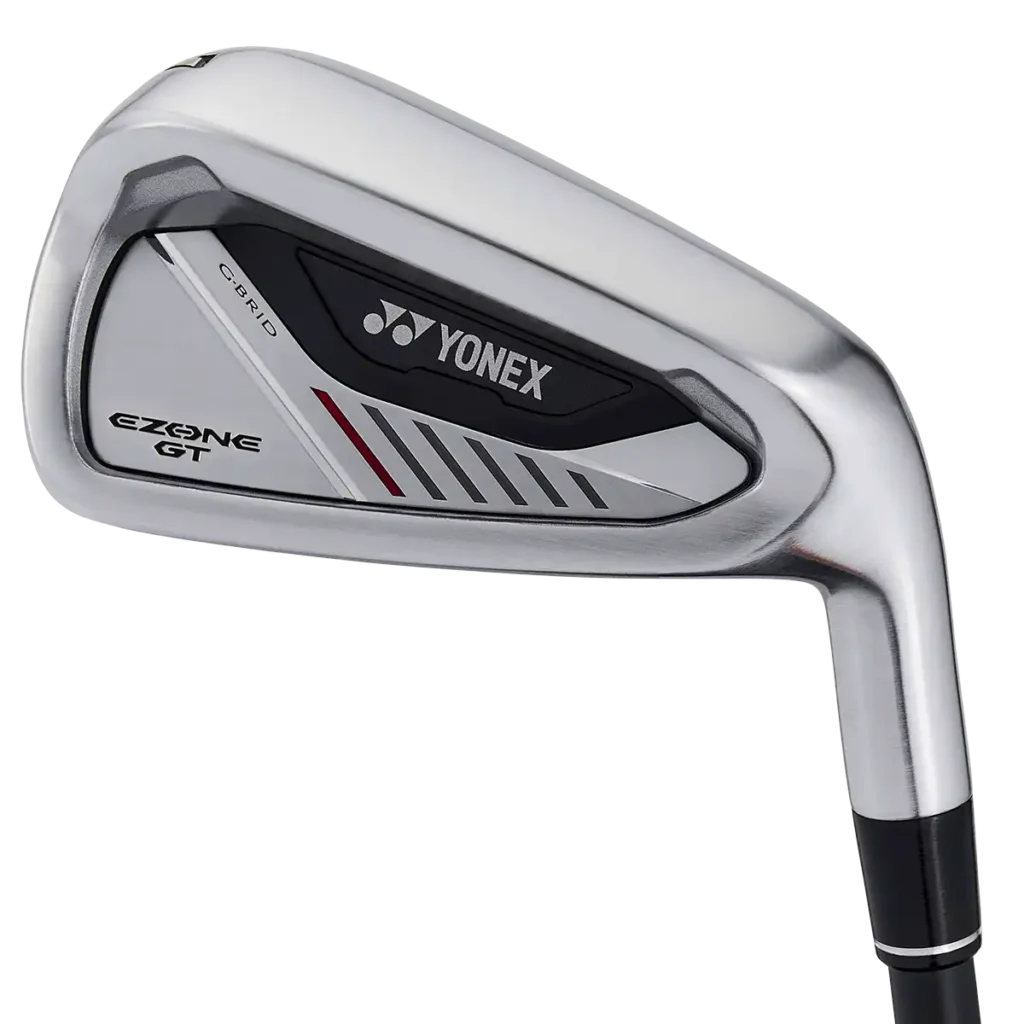
Scott Dickinson, 36
14-handicap
Yonex EZone GT
“Stooopid long. Absolute cheat code of a club. Feels like a slingshot, shotgun, sniper rifle and crossbow all in one. Softer but ultra-energetic impact experience.”
Ryan Kroll, 49
10-handicap
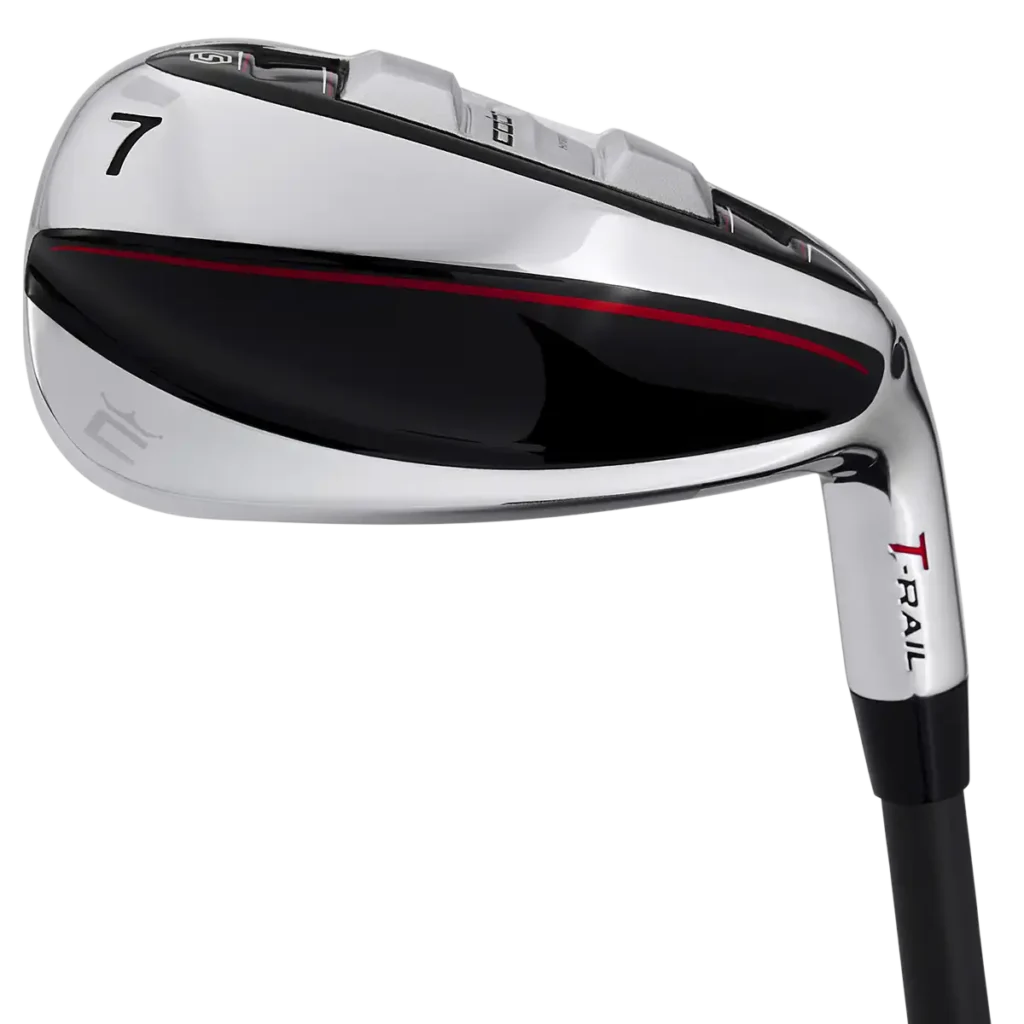
Cobra T-Rail
“This club is a rollicking good time to swing. I love the height and the climb on shots. It’s an oversized head, but it’s not distracting. It’s not so much that it gets in the way. Any reservations I had about the size quickly eroded with the distance I had with it.”
Alex Reinhart, 40
11-handicap
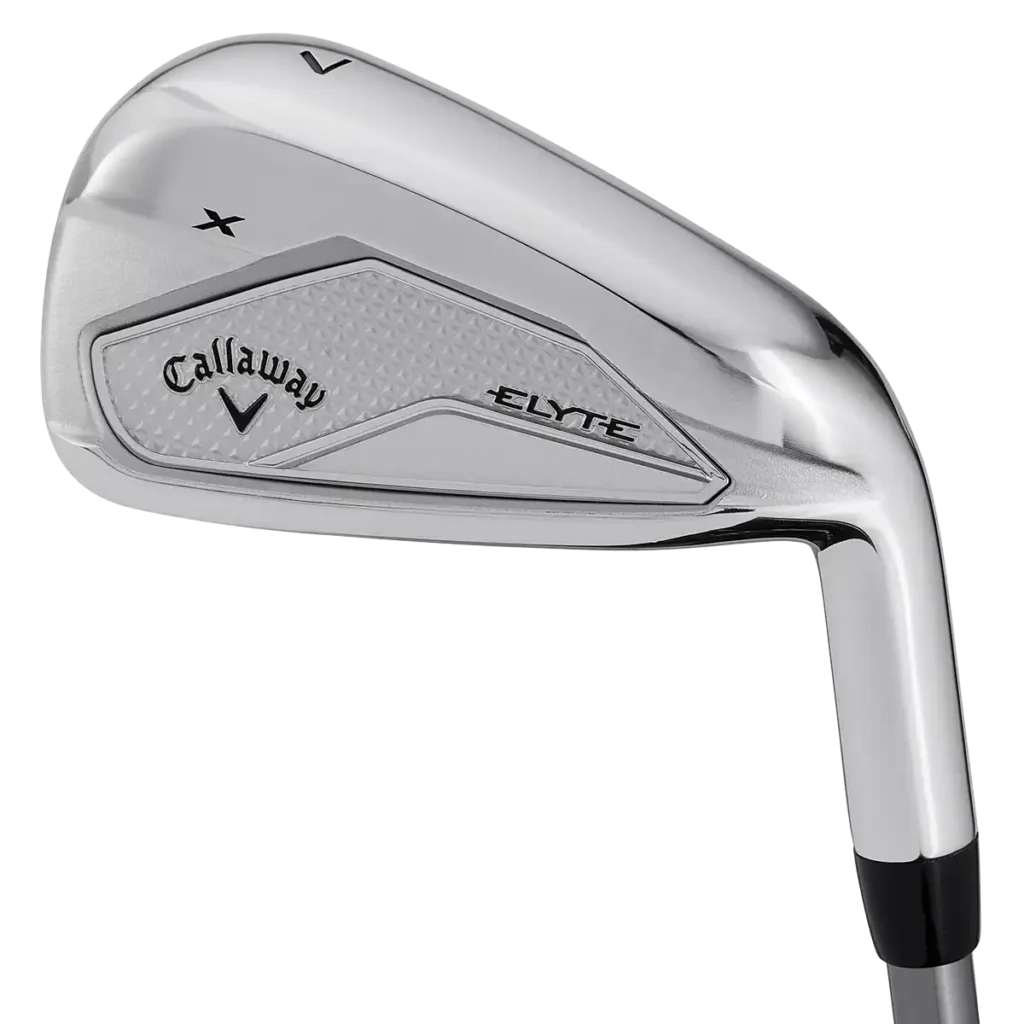
Callaway Elyte X
“Blasts through the turf well to assist on fat shots. Flight was consistent and forgiving. My mis-hits went straighter than I expected them to based on how the shots felt on contact.”
Main photograph by J.D.Cuban