WHAT YOU NEED TO KNOW: Callaway is expanding the Quantum line-up with two clubs aimed at finding something more versatile and forgiving off the tee than a traditional driver, without giving up performance.
The Quantum mini-driver brings the Tri-Force face technology from the Quantum driver family into a compact shape built for tee-to-turf versatility, and the Quantum Ti fairway wood goes full titanium to blend the forgiveness of the Max line with the performance profile of the Triple Diamond.
While the clubs are different, the idea is the same: give players a better option when driver isn’t the answer.
RELATED: Callaway’s latest Quantum mini-driver is turning heads on tour for a very specific reason
OPTIONS, PRICE & AVAILABILITY: The Quantum mini-driver comes in two lofts (11.5 and 13.5 degrees). The Quantum Ti fairway wood is also available in two lofts (15 and 18 degrees). Australian/New Zealand pricing and at-retail dates are TBA.
3 Cool Things 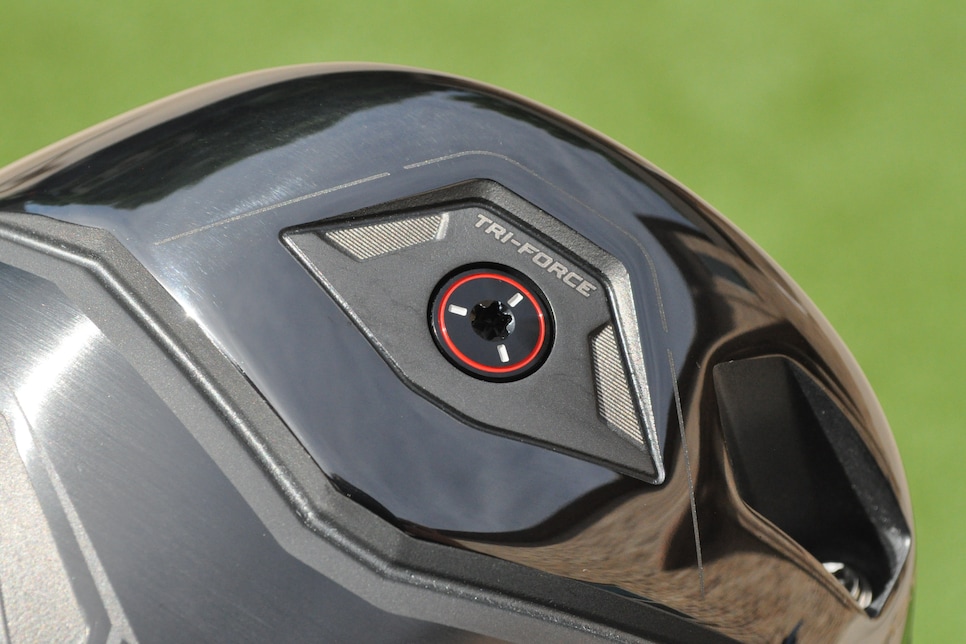
1. The mini makeover: Mini-drivers have always been a niche play, but the technology inside them rarely matched what was happening in the driver category. That changes here.
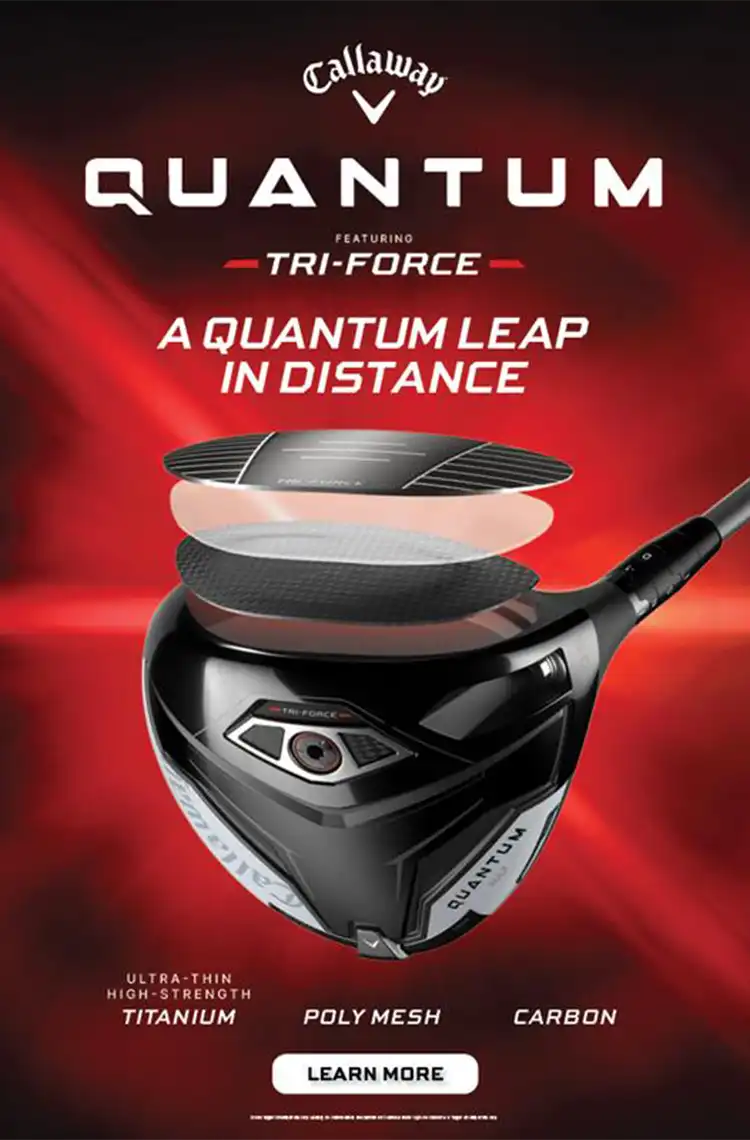
The Quantum mini uses the same Tri-Force face construction Callaway introduced in the Quantum drivers – a layered system combining ultra-thin titanium, poly mesh and carbon fibre into a single integrated speed system.
“The Tri-Force Face added ball speed, improved spin consistency, and made these a lot more forgiving,” said Evan Gibbs, Callaway’s senior director of woods R&D.
It’s the first time that combination has been used in a mini driver face, and it shows up where it matters most: off-centre performance.
2. Two clubs, two types of players: The mini and Ti fairway woods are solving for different golfers, and Callaway is clear-eyed about that.
The mini targets two ends of the spectrum: higher handicaps looking for something more manageable off the tee, and better ball-strikers who already hit their driver far enough and want something more forgiving than a fairway wood for tee shots.
“It’s a category that, for those players that do find it in the bag, is what we call sticky,” said Zack Oakley, senior manager of global equipment strategy.
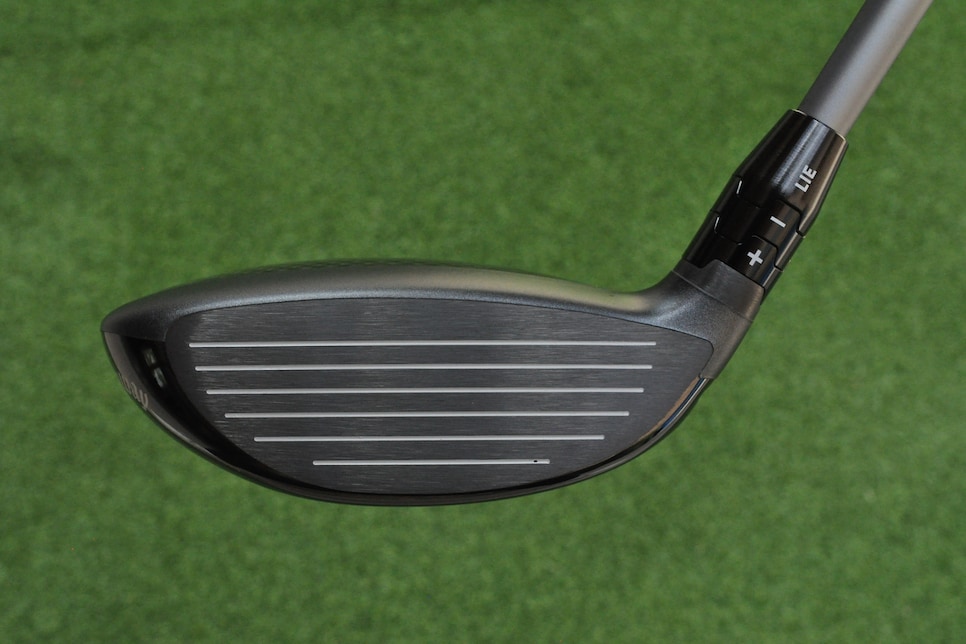
The Ti skews towards players who want a premium fairway wood that can genuinely hold its own off the deck. The full titanium construction frees up discretionary weight to optimise CG and promote ball speed with consistent spin, a material advantage that gives Ti its versatility edge.
“It’s a lot more versatile than most traditional deeper face clubs,” Gibbs said. “Really easy to launch off the deck, but a lot more forgiving off the tee.”
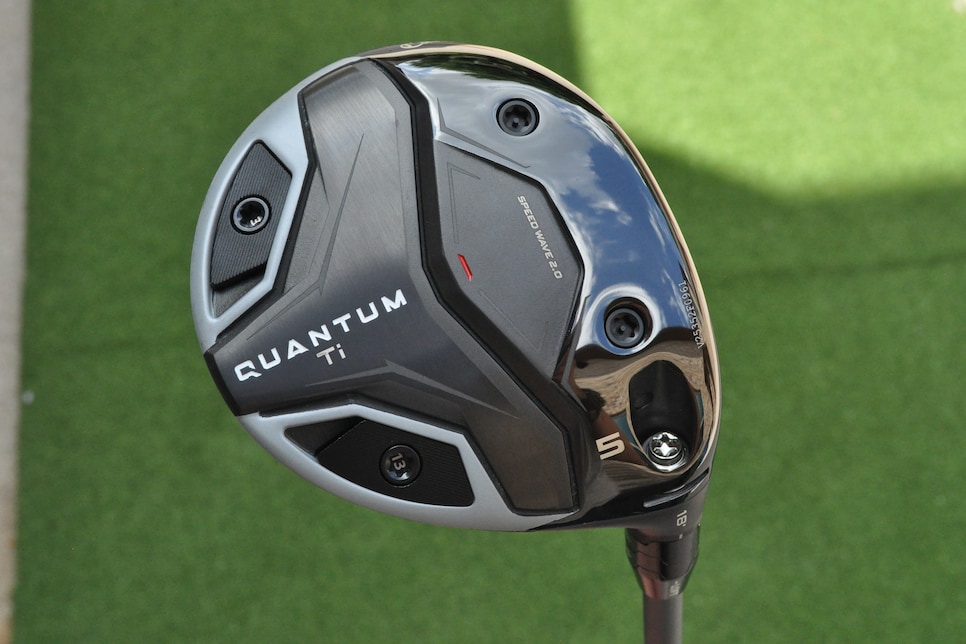
Speed Wave 2.0 positions up to 70 grams of tungsten low and forward to optimise launch and energy transfer, while the Step Sole reduces turf contact and adds heel stability to help keep the face square at impact.
An AI-optimised face individually tunes each zone for speed, spin and launch based on real-world impact patterns. Early Tour adoption on both fronts backs that up.
3. The adjustability story: Both clubs lean on OptiFit 4 hosel adjustability, but the way each uses it is worth noting.
The mini pairs it with front-to-back weight adjustability. Simply move the heavy weight forward for a flatter flight with less spin, or back for more launch and forgiveness.
The Ti goes heel-to-toe instead, letting players dial in a neutral or fade-biased CG position on top of the seven loft and lie settings the hosel provides.
“It gives you another lever in terms of start line – you can neutralise certain ball flights,” Oakley said.