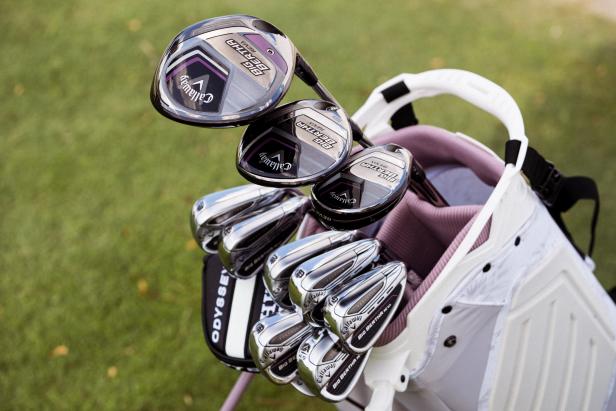
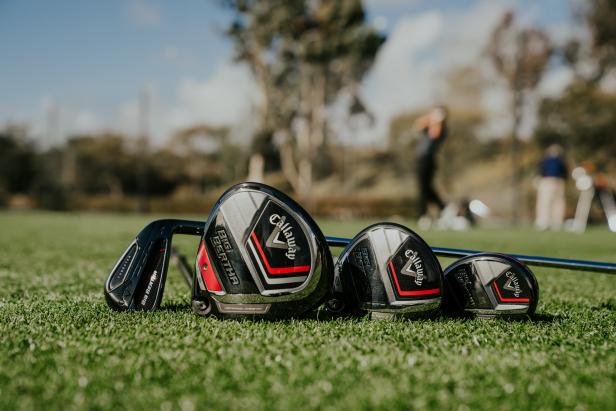
Callaway’s Big Bertha Reva is a full line of driver, fairway woods, hybrids and irons designed specifically for women with a tremendous amount of input from the Women’s Task Force at Callaway.
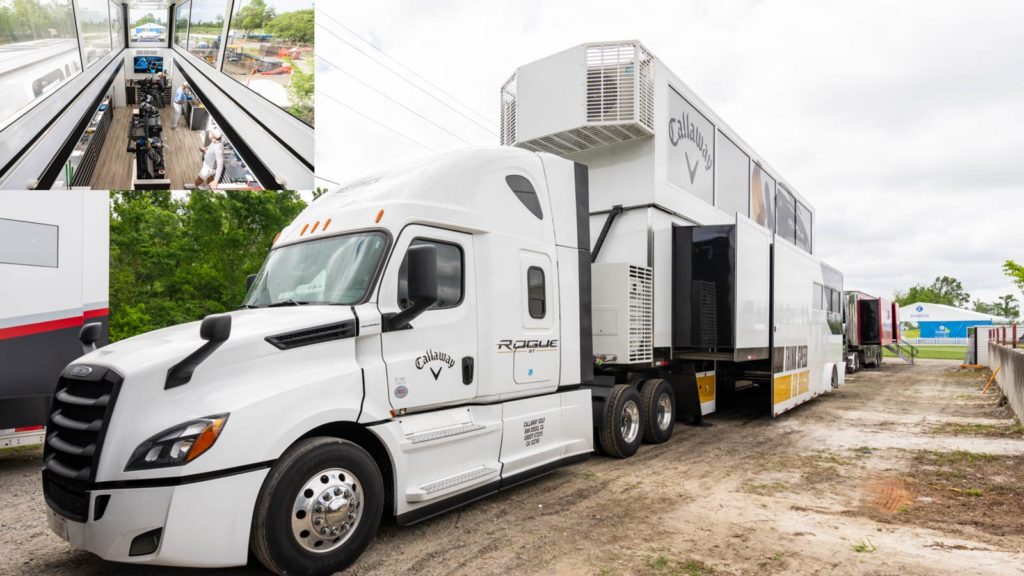
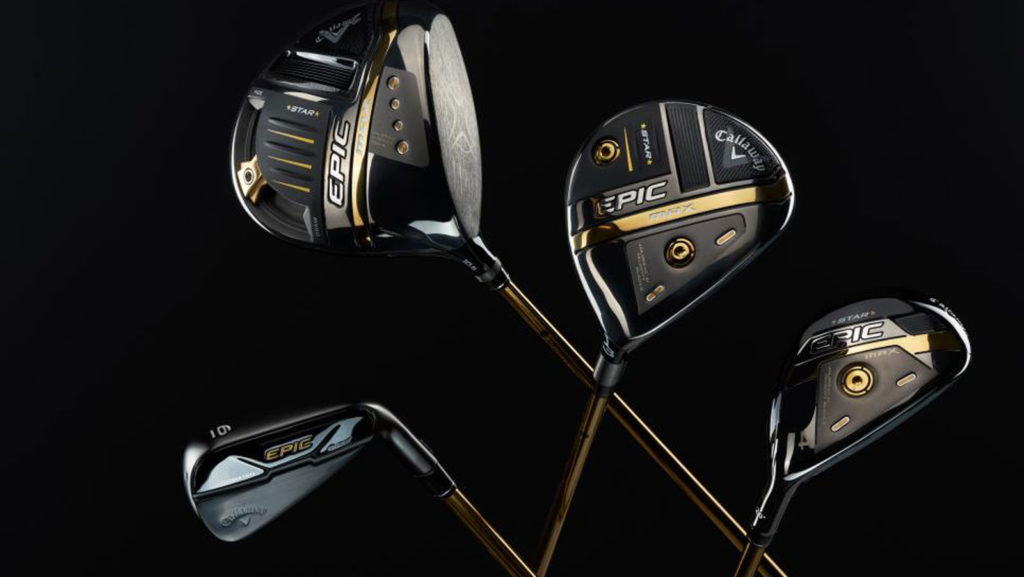
Callaway Rogue drivers These new drivers are the Company’s fastest, most stable drivers ever, with industry-leading innovations that create a breakthrough in performance. An all-new Tungsten Speed Cartridge places specific weight (up to 26 grams) low and deep in the head for increased speed, stability, and high MOI. The construction, shaping and positioning of their Read more…
A complete line of lightweight clubs (driver, fairway woods, hybrids and irons) with a lightweight design to promote faster ball speeds for more distance for slower swing speeds.
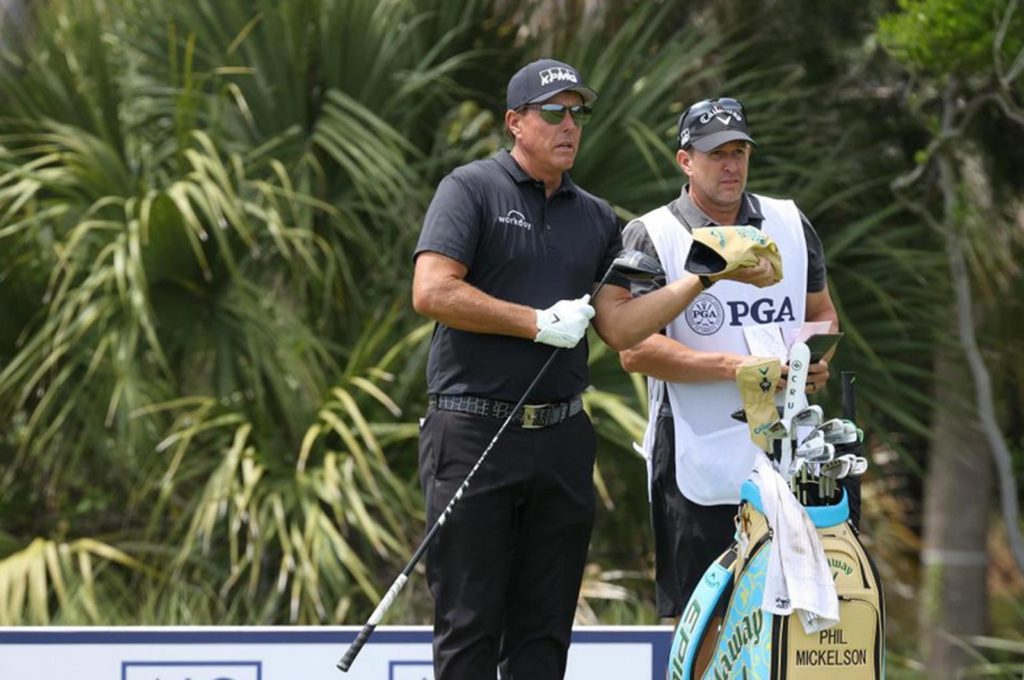
Despite Mickelson’s best efforts to hide any identifying marks on the club, the bat is a TaylorMade Original One Mini driver with a Fujikura Ventus Black 7x shaft.
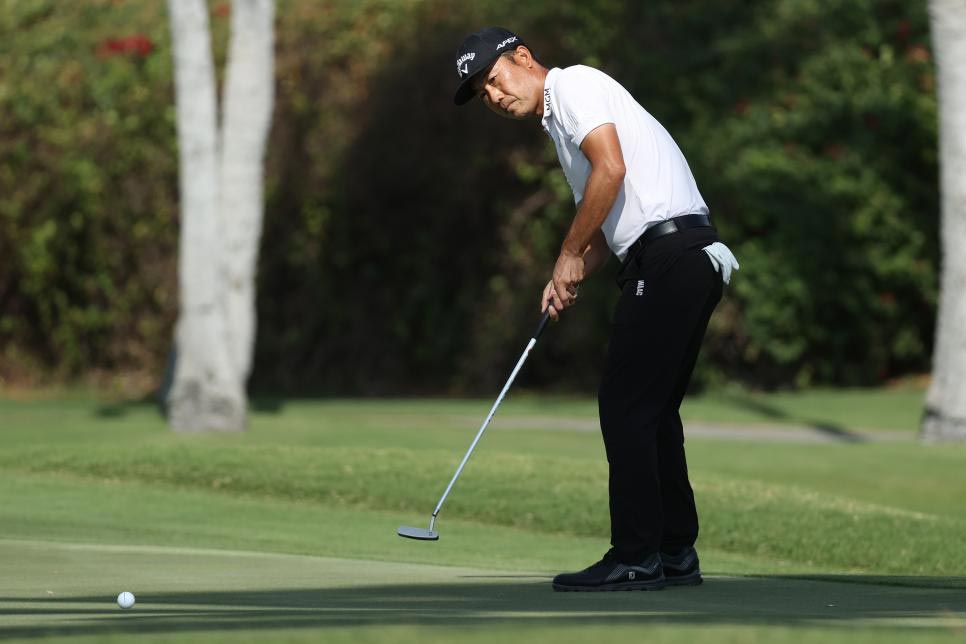
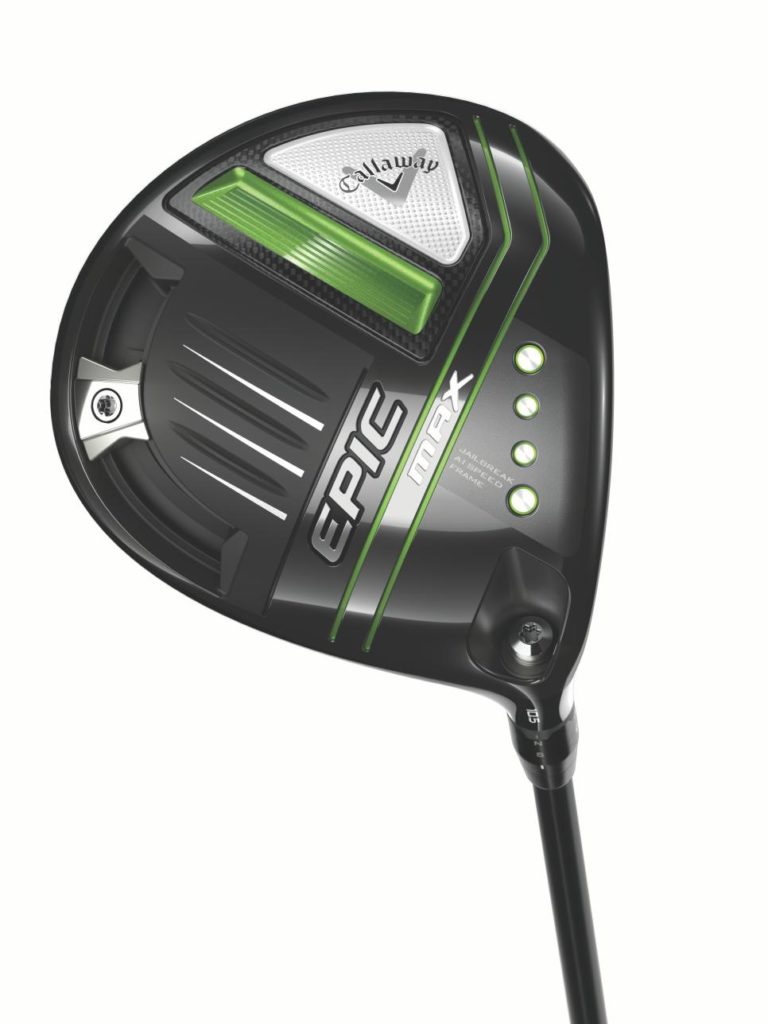
Of note is Na’s driver, Callaway’s Great Big Bertha Epic. He has used the same driver for each of his past four wins dating back to the 2017 A Military Tribute at The Greenbrier.
The transaction is subject to the approval of the shareholders of both Callaway and Topgolf, as well as regulatory approval. The companies expect to complete the transaction in early 2021.



 Australian Golf Digest