With all the buzz this week surrounding a driver that never was from a company that stopped making golf clubs more than two years ago, we thought it more prudent to turn some of your attention back to reality and some new equipment that is making real-live public debuts right now.
The survey is part of an effort by golf’s ruling bodies to understand how the global golf community feels about the current level of distance across all forms of golf.
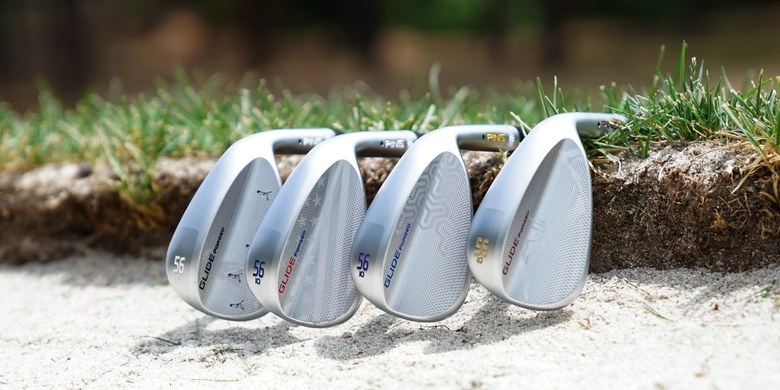
The Ping Glide Forged wedge is Ping’s first forging in more than five years, and it reflects everything the company has learned in making its cast wedges.
Factoring in the performance of the last eight winners of Open Championships played in Scotland, our man came up with his prediction for ‘Champion Golfer of the Year’.
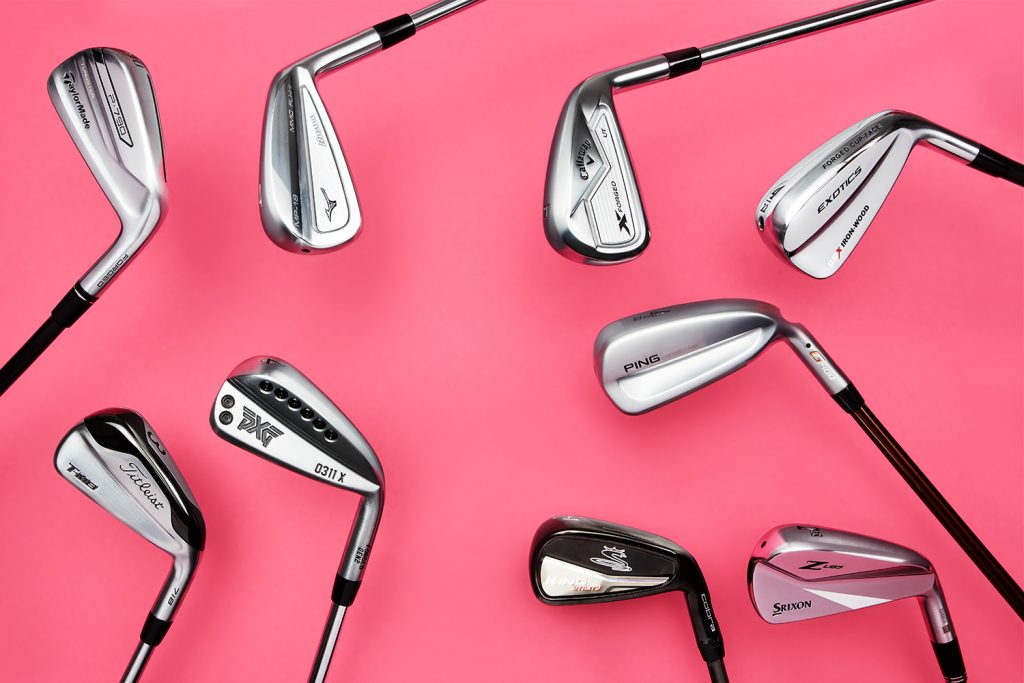
GAPR clubs fit a growing hole between increasingly difficult to hit and lower-lofted long irons, hybrids that fly too high and long-shafted fairway woods that are harder to control.
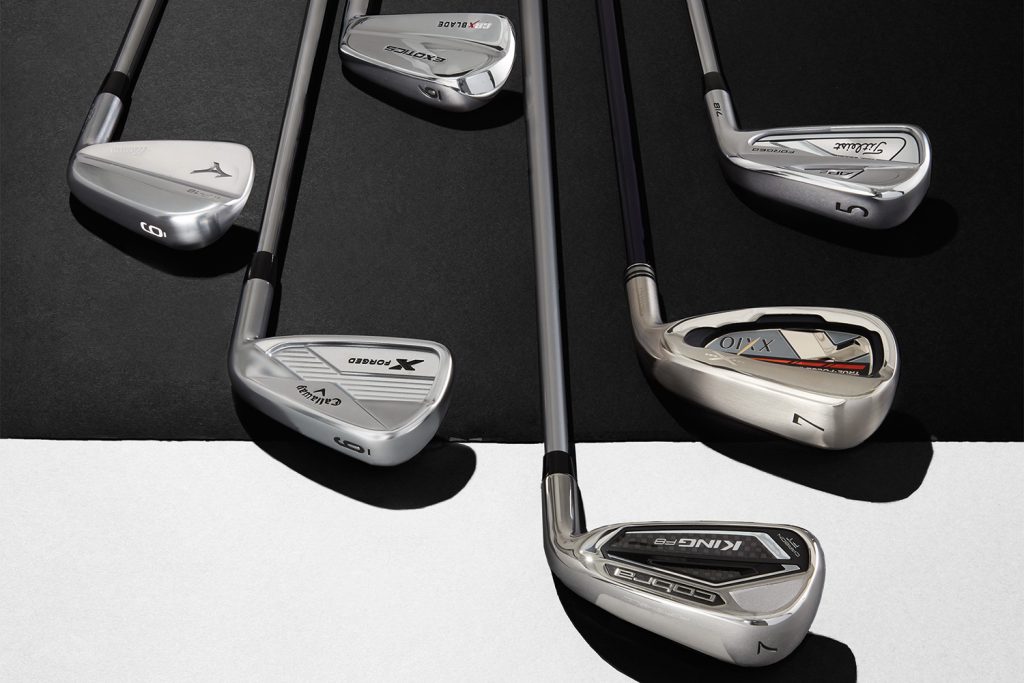
The new Ping i210 (the compact, cavity back players iron) and i500 (a fast-faced players distance iron) reveal that iron technology for today’s better players adroitly balances two pressing characteristics: precision and power.
In their joint efforts to study the issue of driving distance and its effect on the game, the USGA and R&A announced this morning the launch of a website that will solicit opinions on distance’s role in the game from all golfers and stakeholders.
The benefits aren’t just emotional. Research documented in the medical journal Trends in Cancer suggests that physical activity can reduce the risk of some cancers by as much as 24 percent
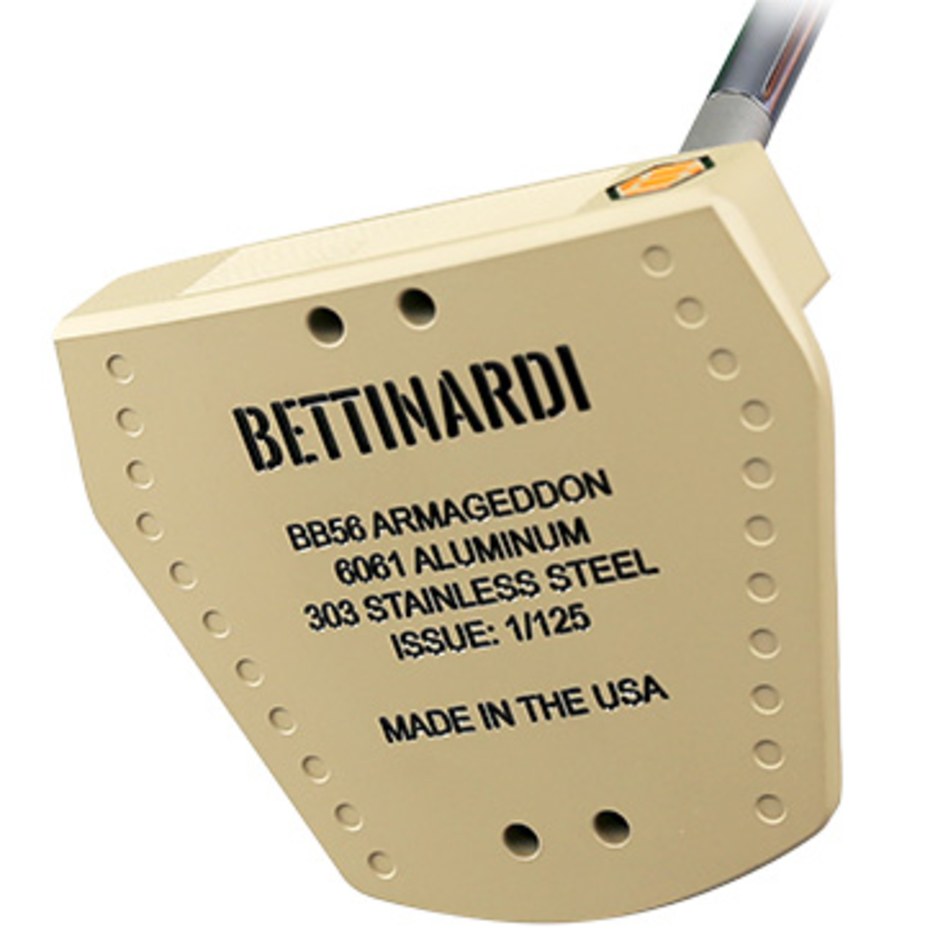
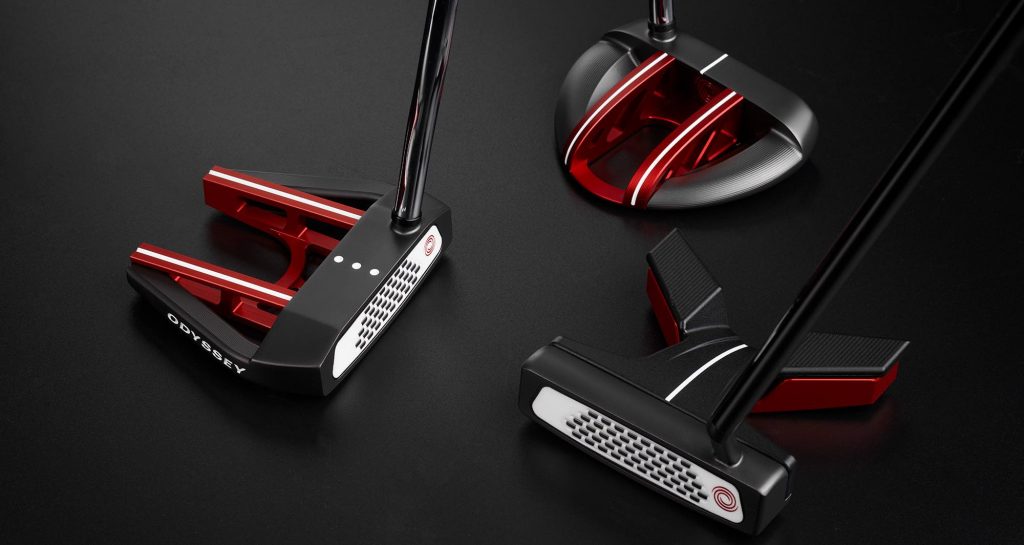
Odyssey’s EXO lineup of putters takes on a futuristic wire-frame construction, but its main mission is one of the original ideas in modern putter design: making off-centre hits rebound with on-centre-like velocity.
In short, and perhaps not surprisingly, the data suggests that the only distance problem for the more than 99 percent of golfers who are not getting paid to play is lack of it.

 Australian Golf Digest