
For more than two decades, beginning in 1992, Phil Mickelson was a Playing Editor for Golf Digest and shared detailed accounts of how he hit every shot in golf. That said, there’s one that stands out more than any other, even to this day – his infamous flop shot.
Back in the September 1999 issue, we captured his signature shot with a high-speed camera
and then asked Phil to explain how to execute it. Here are the images and his take from 27 years ago:
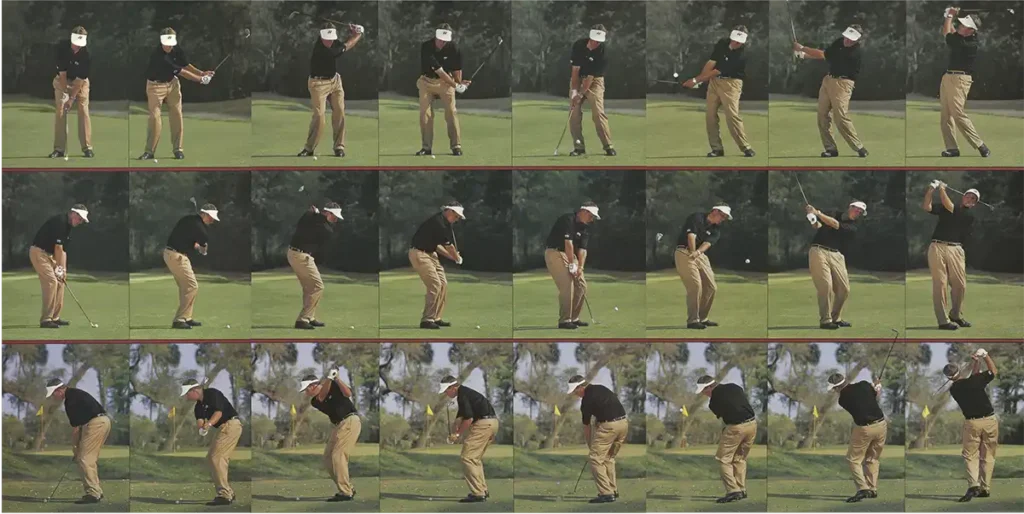
“You might have the impression that the flop is a high-risk shot. In fact, it can be more forgiving than many conventional shots, provided you follow three simple rules:
1.
Select the right type of sand wedge. “You need a great deal of loft to produce height on the shot. You want that 60-degree to have bounce nearer the rear of head. That way, the club will slide through the turf rather than bounce off it, while preventing the leading edge from digging.”
2.
Assess your lie carefully. “If your lie is fluffy, you’ll need a more level, shallow angle of approach through impact. If you’re playing off a hardpan lie, you’ll need a bit more of a descending blow – though not steep by any means.”
3.
Don’t force the issue. “Position the ball off the heel of your lead foot. Align your feet and shoulders open, but aim the clubface at the target. Make a full backswing. On the downswing, don’t hurry to swing the clubhead into the ball. Let gravity do the work. You want soft momentum. Finally, you want to strike the ground an inch or so behind the ball. It will explode off a cushion of grass and turf. You rely on the trajectory of the ball, not backspin, to stop it quickly on the green.”
Photos by stephen szurlej