
WHAT YOU NEED TO KNOW: Vice Golf is launching two new putters that embrace the idea of “zero-torque” or what the company is calling “zero twist.” Making use of a more extreme onset-angled hosel, the VGP03ZT blade and VGP04ZT mallet both are designed to align the shaft axis with the center of mass in the clubhead for a putting stroke that mitigates the need for face rotation. Of course, the Vice “twist” on zero-torque means both options will be among the most affordable in the game.
PRICE: VGP03ZT ($200), VGP04ZT ($240). Head weight: 380 grams (VGP03ZT), 390 grams (VGP03ZT). Loft: 3 degrees (VGP03ZT), 1.5 degrees (VGP04ZT).

1. El hosel. In many respects, one important key to the idea of controlling or reducing the amount of hand activity and face rotation in a putting stroke is the way the shaft axis is aligned the head’s center of gravity. This is what the so-called zero-torque movement is all about. The theory goes that the more the shaft and putter head, specifically the putter face, behave as one unified element, the less the club has to be manipulated to find “square” during the stroke. That’s precisely what was in the mind of Marco Burger, Vice Golf’s head of R&D. To get there, he redesigned the conventional offset hosel on both the VGP03ZT blade to make it more of an onset angle that shifts the hosel axis more in line with the center of the face. It’s reminiscent of the Tommy Armour ZAAP putter from the early 1990s. Burger said that it is a simpler approach to making the stroke simpler.
“The cool thing is I wanted to have a very normal looking putter, but still wanted to get the hosel to go through the through the center and still have it sell for like 200 bucks,” he said. “While you really cannot do too much to change the technology of the blade, this gives someone a chance to try it in something normal for an easier price.”
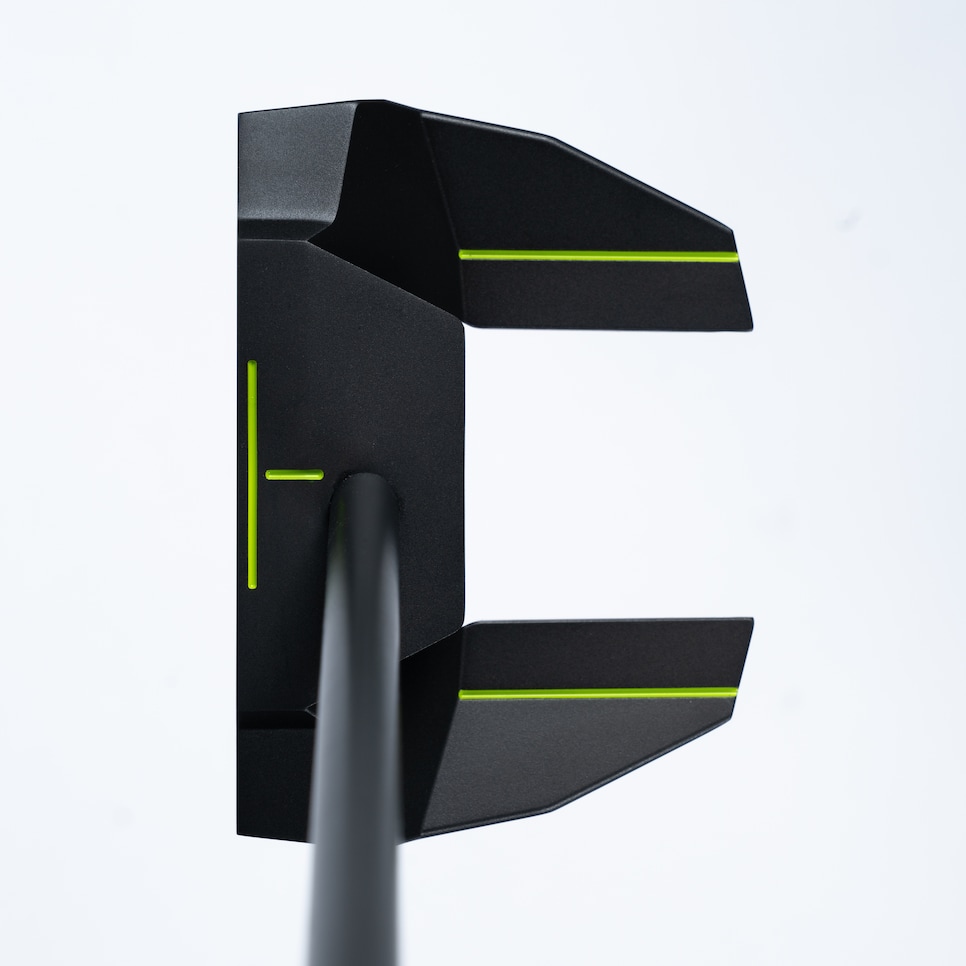
While the VGP03ZT blade’s hosel looks more in the heel, the VGP04ZT mallet’s hosel is more of a center-shafted look, attaching straight in to an extended portion of the top slightly back away from the topline. In each case, the shaft is meant to align with the center of gravity, so unlike other “zero-torque” putters, it does not balance in the familiar toe-up position like those from L.A.B. Golf, Odyssey and TaylorMade, among others. Both models are offered in a 70-degree lie angle, which falls in the middle of the lie angles the company has been producing on its putters for Vice or from fits at HIO Labs, the top European clubfitting company that Vice has partnered with for its club designs and research. Neon green perpendicular aiming lines on the black-finished heads also help delineate the putter’s target orientation.
2. Heavy putting. One thing Vice’s partnership with HIO has led to is a better understanding of concepts that consistently resonate with average golfers in the field. One of those is the idea of heavier putter head weights. Unlike elite players who want more ability to manipulate the face, Burger said average golfers seem to be continually gravitating to heavier heads—because that fit is producing a consistent roll and better distance control. The heads on the VGP03ZT and VGP04ZT weigh 20-30 grams more than standard putters, and are ideal for making a smoother stroke, Burger said. “One of the key insights into amateur golfer’s putting from the HIO fitting data is that players performed way better with heavier putters, especially from distances that they are expected to make the putt,” said Alex Campbell, Vice’s senior product developer. “The reason for this is that the heavier head weight takes away the margin for error caused by unstable hands of the player during the putter stroke.”
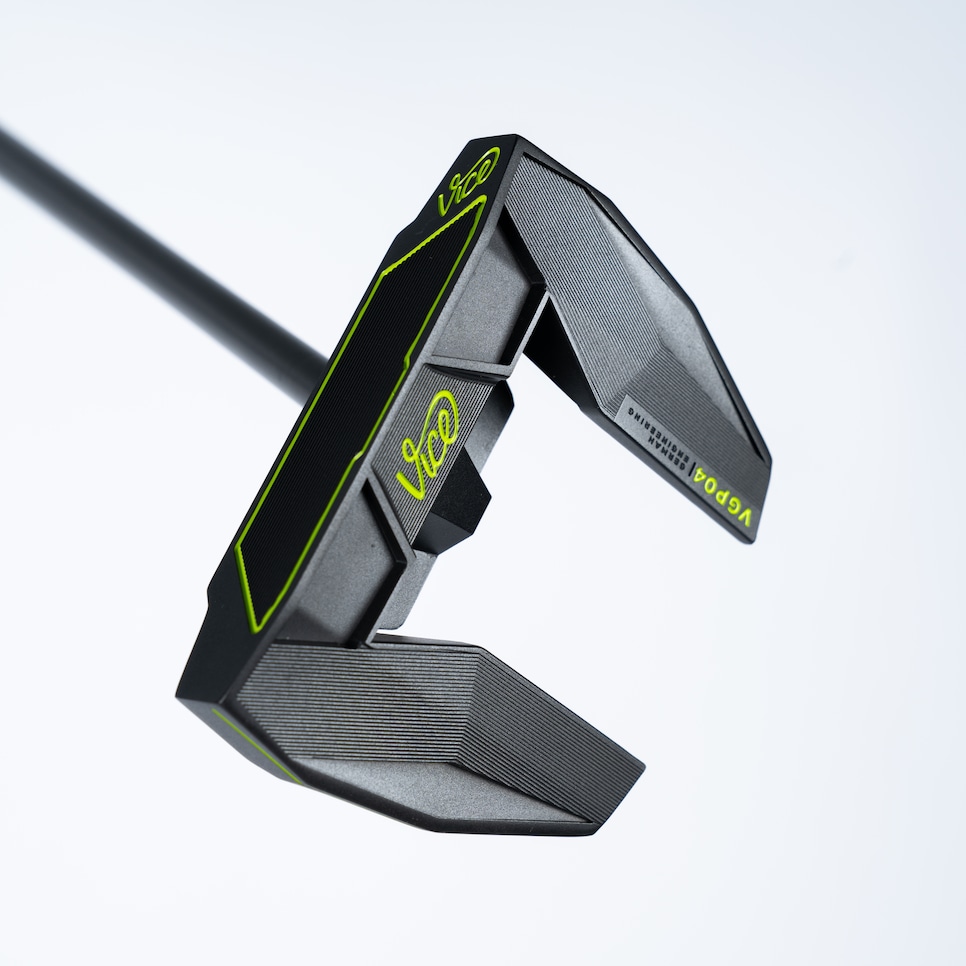
3. Carryover effects. Like Vice’s previous putters, these are made from stainless steel and feature a milled texture pattern on the face, which also incorporate a neon green framing line around the face’s perimeter. The milling pattern is for consistency of feel, sound and launch at impact, designed to damp vibration for a softer sound.
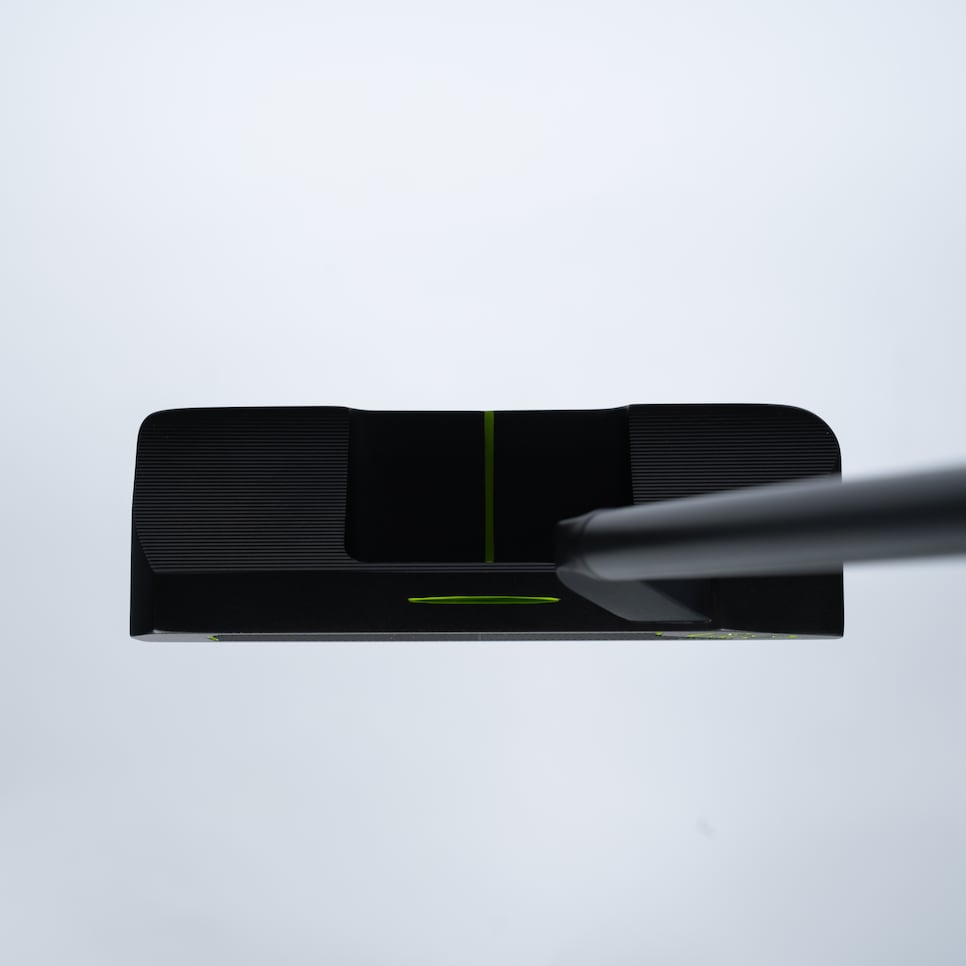
The heads also pursue increased stability on off-center hits (moment of inertia) through the slightly wider blade length on the VGP03ZT and the heel and toe wings the VGP04ZT mallet that stretch back from the face and help to frame the ball at address.
This article was originally published on golfdigest.com