It’s the little things that count.
If you want to stop three-putting as much as possible, you’d do well to pay attention to Rickie Fowler’s habits around the greens. He led the PGA Tour in 2025 in three-putt avoidance (1.4 percent), and his average leave on a first-putt miss was just two feet. Through mid-August this season, he was 17th in avoidance (1.85 percent). It shouldn’t come as a huge surprise – he’s been an elite putter for most of his career. Here are some reasons why:
1. He hovers the putter above the ground
Moments before he starts his stroke, Fowler raises the putter a bit. The six-time PGA Tour winner says it relieves tension in his fingers and forearms by forcing him to hold the putter lighter than if it were resting on the green. It also prevents the putterhead from getting stuck in the grass as he begins the backstroke.
2. He uses different grips
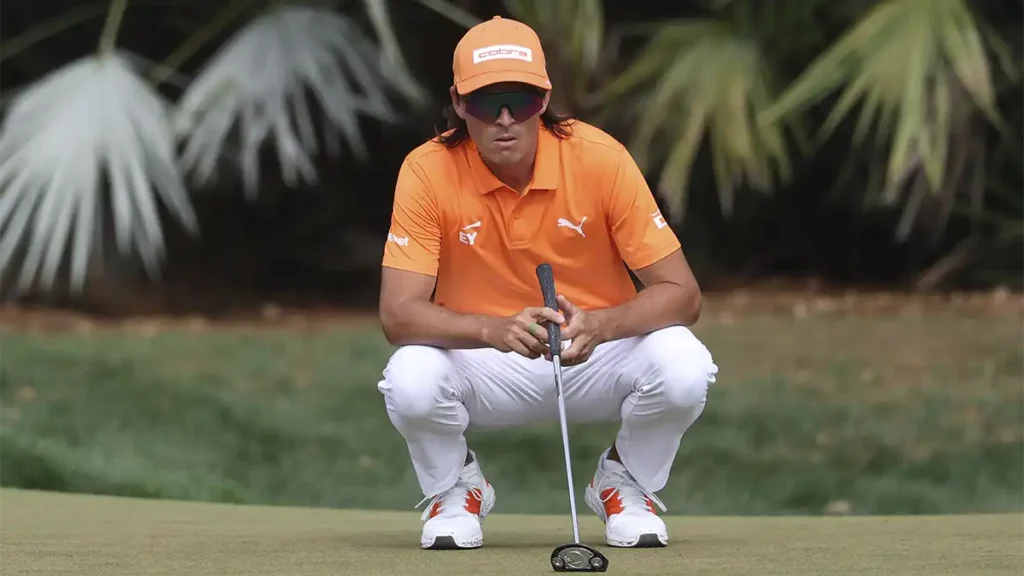
Fowler has used a left-hand-low grip for short-range putts and a conventional grip for longer ones. He says left-hand low aligns his forearms and reduces wrist hinge, making the clubface more stable, which matters a lot in keeping a short putt on line. For longer putts, the conventional grip encourages more wrist hinge, helping foster better speed control and easier second putts.
3. He focuses on a spot behind the ball
Keeping his eyes quiet and head still is important to making sure the putterface stays square to the intended line at impact, he says.
However, Fowler doesn’t lock his eyes onto the ball. Instead, he focuses on a spot behind the ball. It makes sense: unlike the ball, that spot isn’t going to move, so it helps him keep his head still and prevents peeking. Give it a try to see if it leads to fewer three-putts.
4. He almost always gets it to the hole
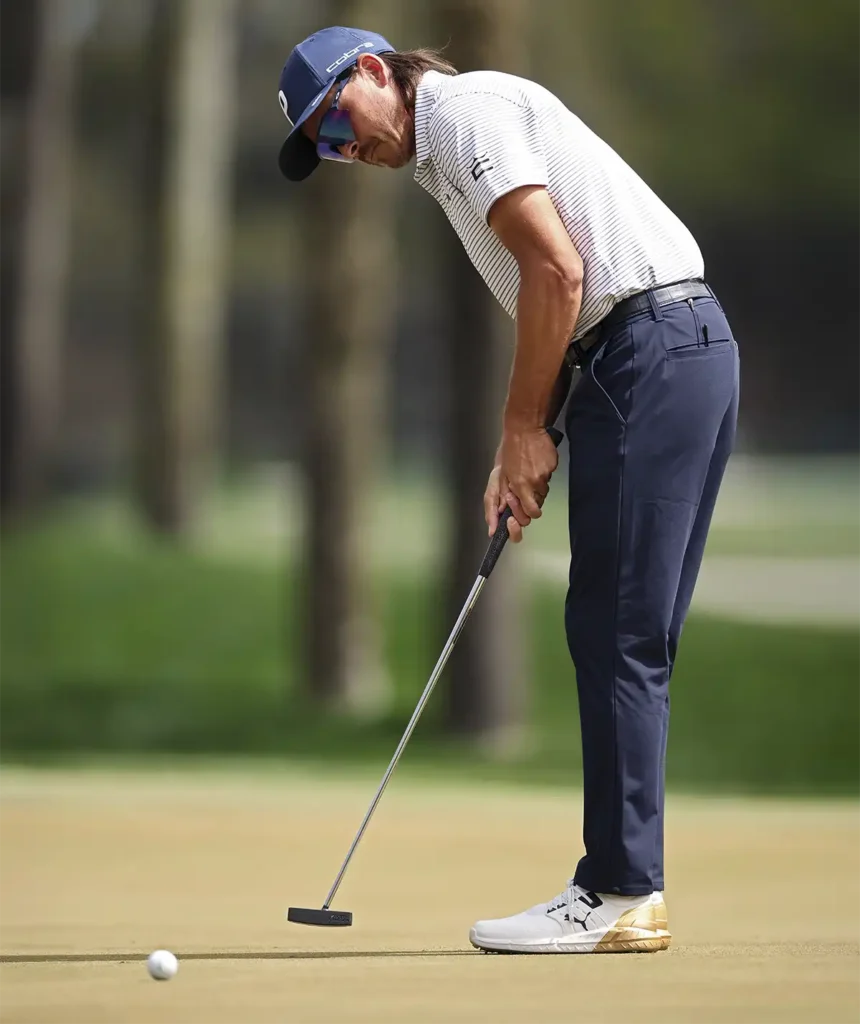
Fowler says he sticks with the same goal on medium-to-long putts – leave the ball two feet past the hole if he misses. He works backwards from that spot in determining what speed to hit the putt.
Photographs by getty images/Ben jared, kevin c. Cox, james gilbert