
WHAT YOU NEED TO KNOW: The Mizuno JPX One fairway woods and hybrids look to improve ball speed through new high-strength steel faces and a redesigned channel in the front part of the sole that looks to boost flexing on heel and toe mis-hits.
RELATED: Mizuno JPX One drivers – what you need to know
OPTIONS, PRICE & AVAILABILITY: Fairway woods ($599.99): 15, 15T, 18, 21, 24 degrees (with an eight-way adjustable hosel, +/- 2 degrees); Hybrids ($499.99): 19, 22, 25, 28 degrees (with an eight-way adjustable hosel, +/- 2 degrees). Pre-sale begins on January 12, at retail starting January 22.
3 Cool Things
1. Wider is better. Both the JPX One fairway woods and hybrids take a new look at the sole of the club to create more speed. The channel now gets wider in the heel and toe portion and closer to the front of the sole than in previous versions.
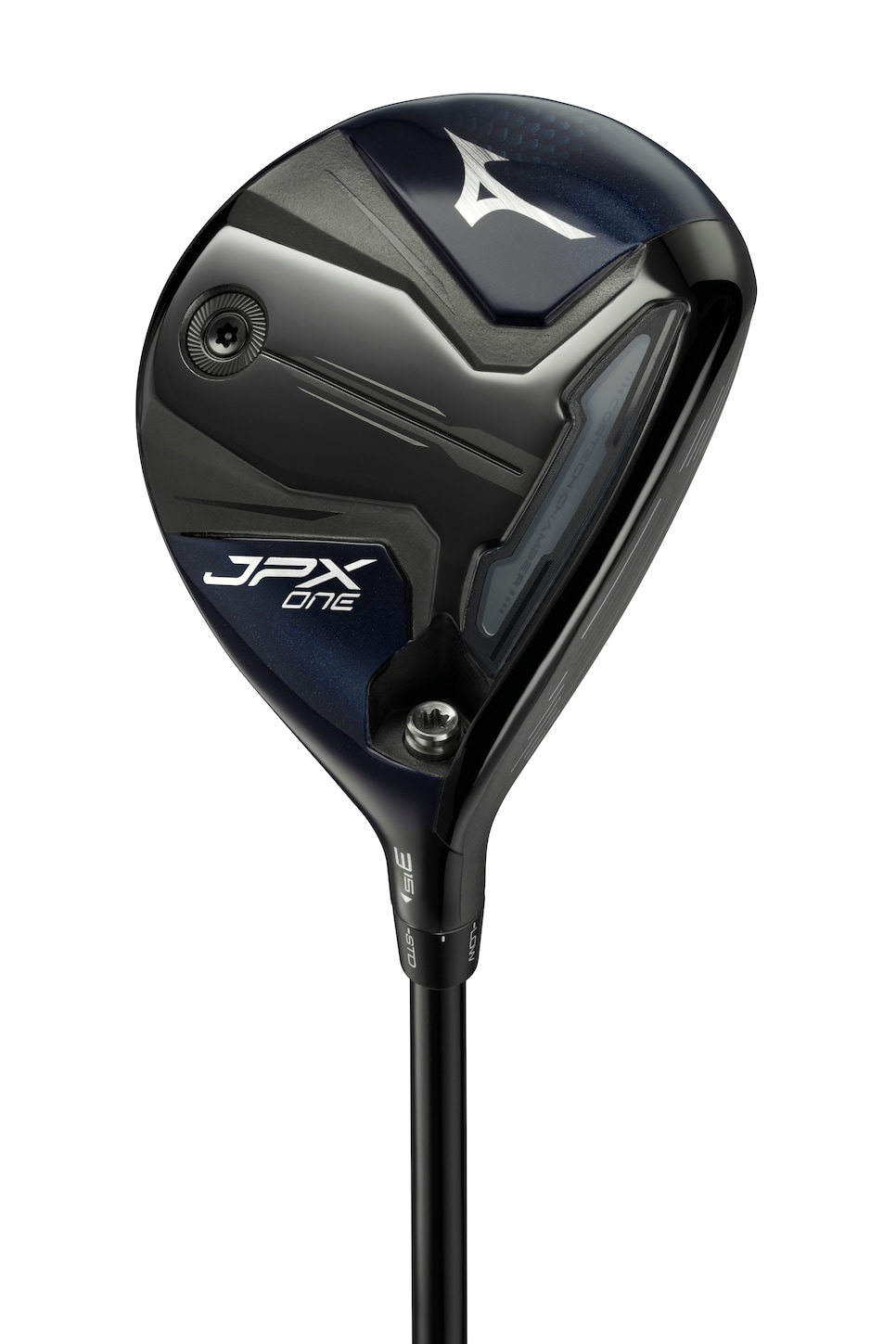
Called the “CORTech Chamber,” the channel is filled with a polyurethane that allows the walls to flex but it also includes a four-gram steel bar that helps push the centre of gravity a little more forward and lower. As has been the case in past iterations, the idea is to create ball speed (better flexing) with distance-enhancing lower spin. The change in the JPX One woods and hybrids involves gently widening the gap between the internal metal and the body to increase face deformation in those areas.
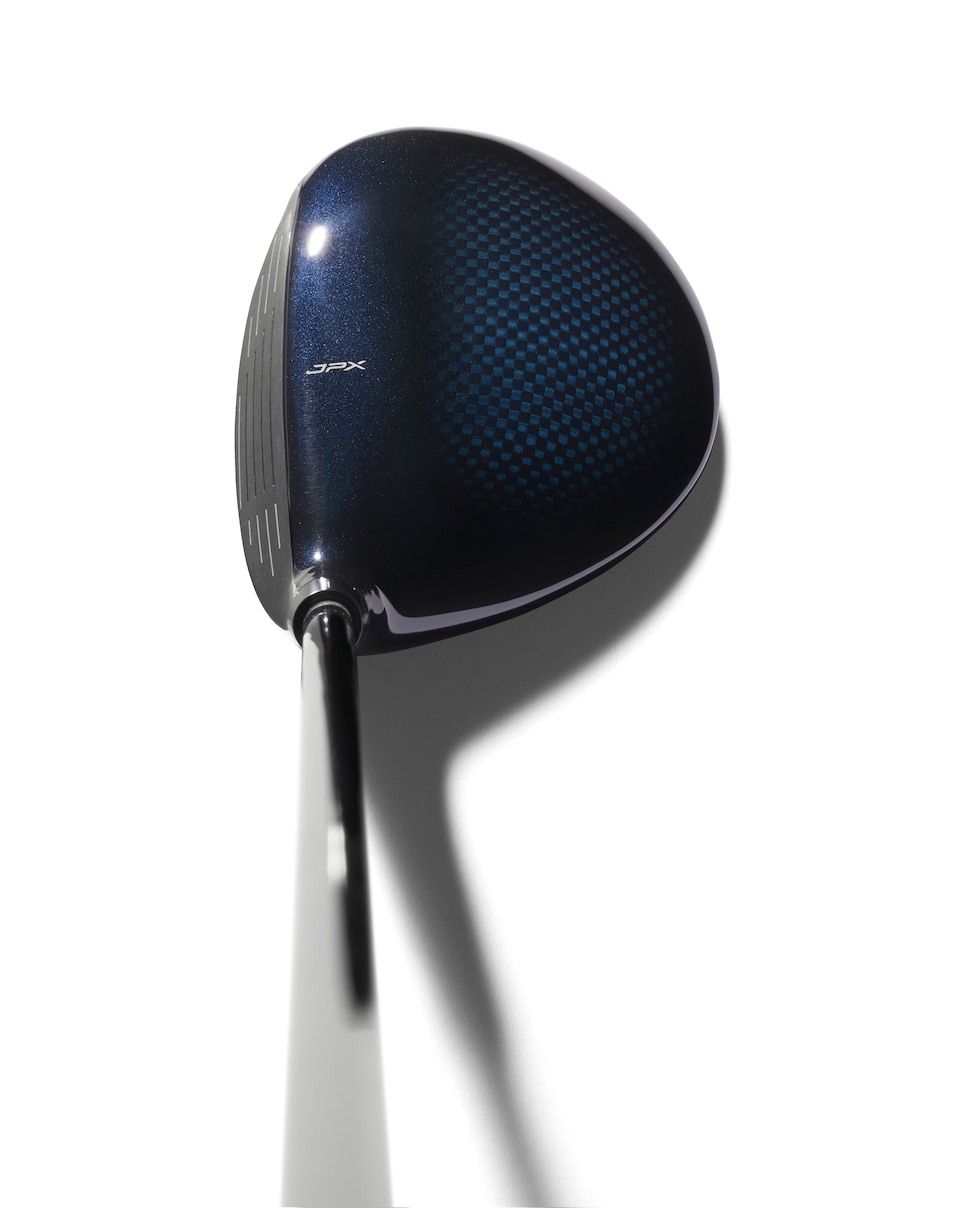
2. Top-down tech. The JPX One fairway woods and hybrids also use lighter construction on top to create a lower centre of gravity. The carbon composite crown piece on the fairway woods stretches to the rear and wraps around the toe-side skirt. Meanwhile, on the hybrids, the thin 17-4 stainless steel crown uses a waffle pattern of thin and thick regions to provide stability with less overall thickness.
Both models employ a faster high-strength, forged maraging steel alloy (MAS1C) in the face insert. The fairway woods employ a new variable thickness pattern, while the hybrids feature a constant face thickness of 1.8 millimetres.
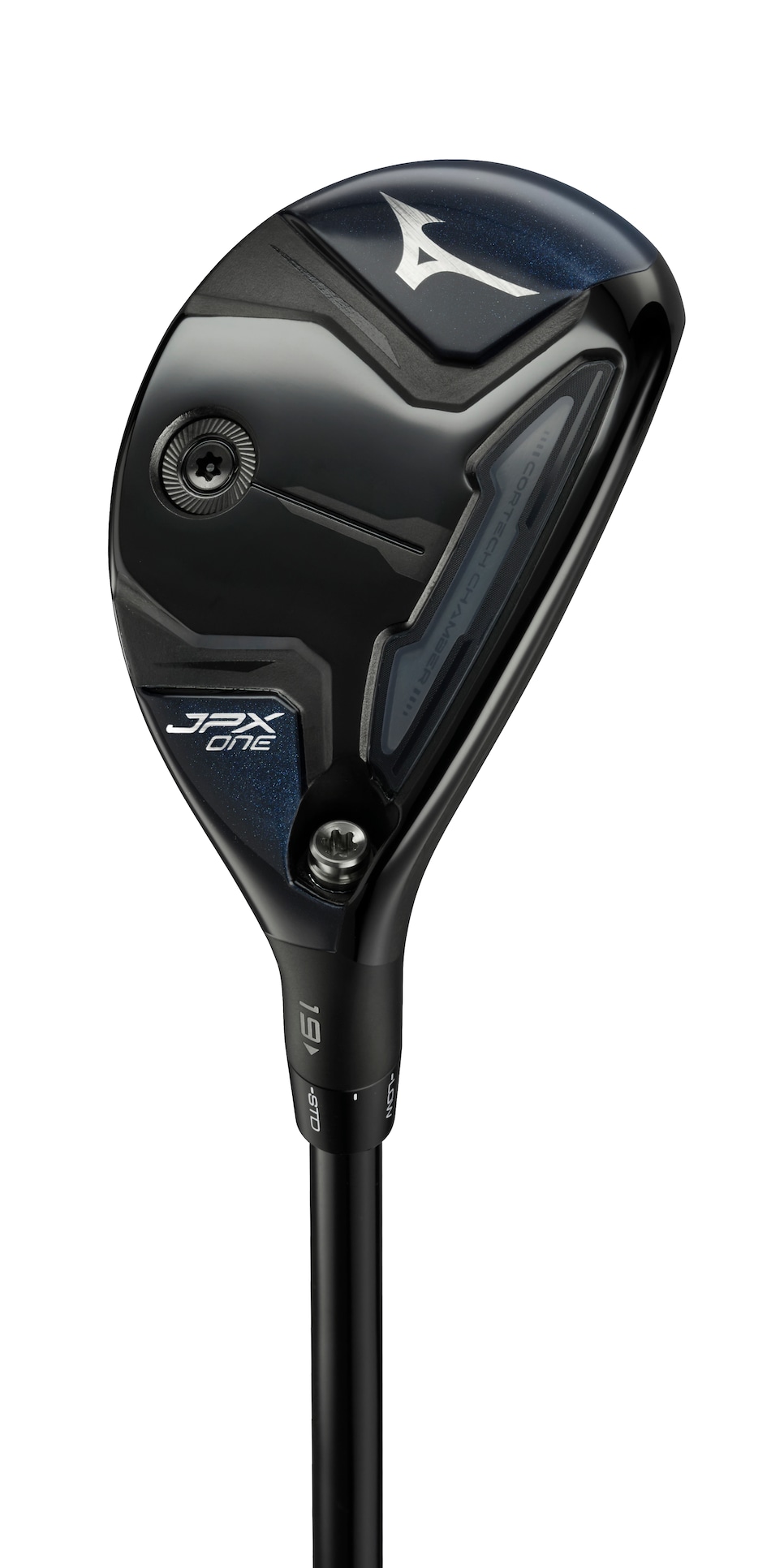
3. Bottom up tech. Since these lower-lofted, longer-shafted clubs are the hardest clubs to hit off the ground, the Mizuno team also paid attention to turf interaction. The subtle tweak involved the way the leading edges on the woods and hybrids flow into the sole channel. By creating a little more relief at the front of the channel, the club will slide through the turf more cleanly. In addition to the sole changes, the head sizes and the heel-to-toe width get smaller as lofts increase to improve workability and ease of use on unlevel lies
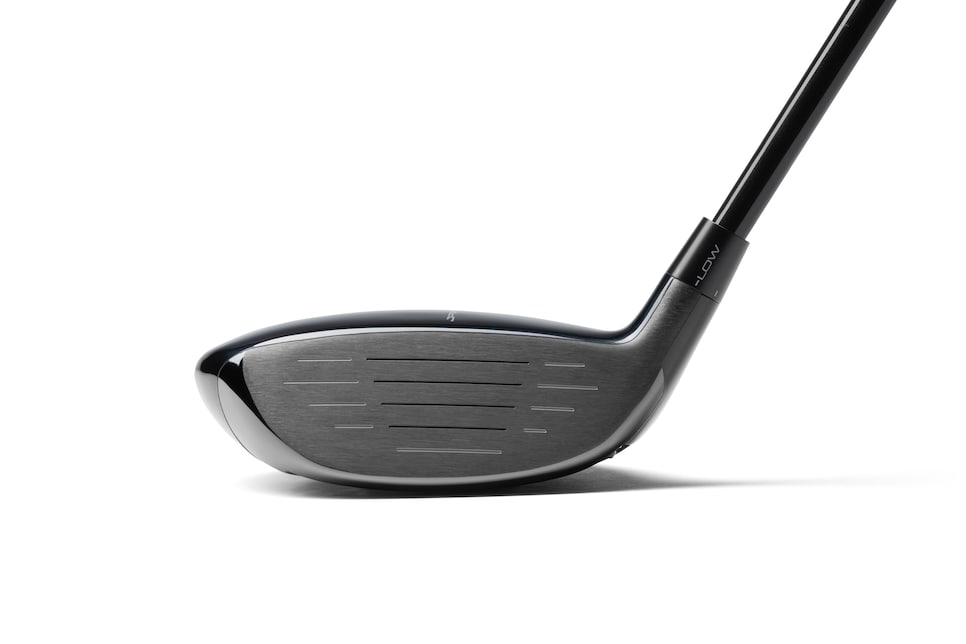
One other add to the line is a second 3-wood, called the 3T. Featuring the same 15-degree loft as the regular model, it offers more compact tour-preferred shaping (similar to the face width of the 7-wood) but with a deeper face and full 3-wood front-to-back depth to make it more effective in use off the tee.