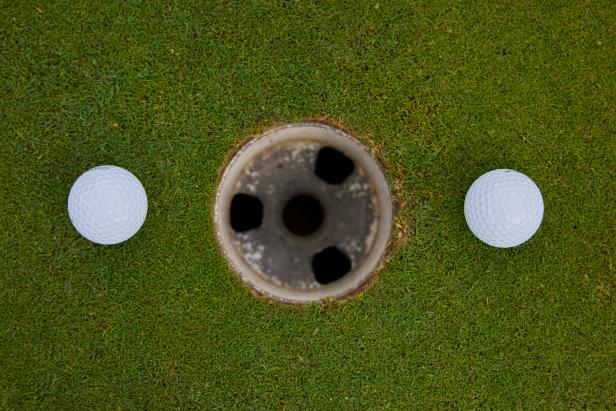
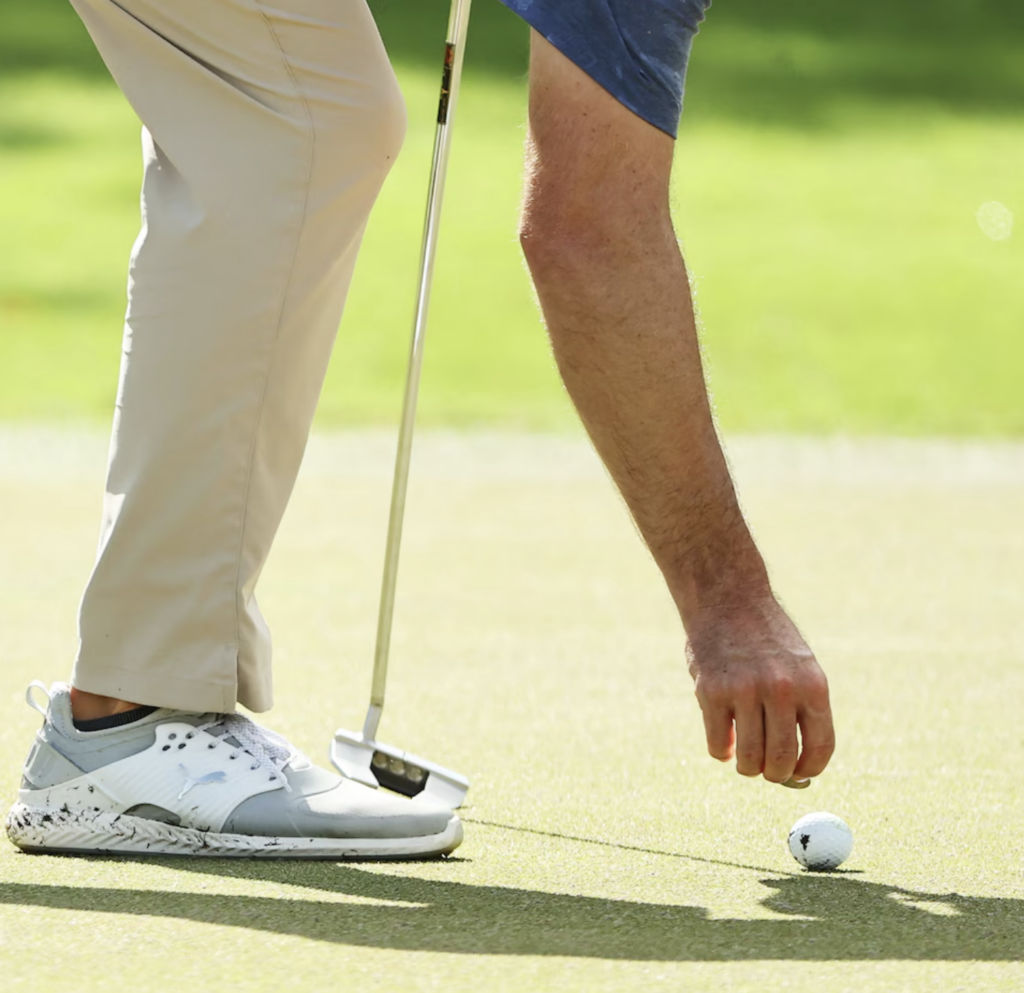
The intent here is not to introduce a new generation of golfers to a classic way to (cough) cheat. Rather, it’s a friendly reminder to be on the lookout for a small handful of players prone to take some liberties when it comes to marking their golf ball on the putting green.
There are tough starts to tournaments, then there are Joel Dahmen’s first two holes Thursday at the Shriners Children’s Open at TPC Summerlin in Las Vegas.
When having to hit a shot from a tee or fairway that has power lines in the way, the question of what happens if you should strike one is worth asking.
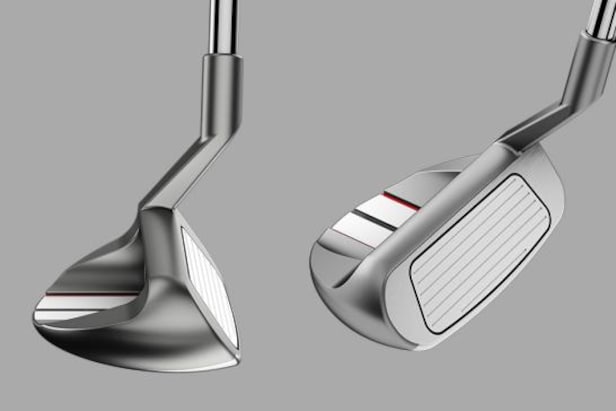
Chippers like the one you see here comply with equipment rules and can be used in competition. Where you might get confused is that it’s against the rules to use a “two-way” chipper.
What happens when you concede an opponent’s putt thinking you tied the hole, only to find out he or she holed out in one fewer strokes than you? In short, it depends on what transpired leading up to the gaffe.
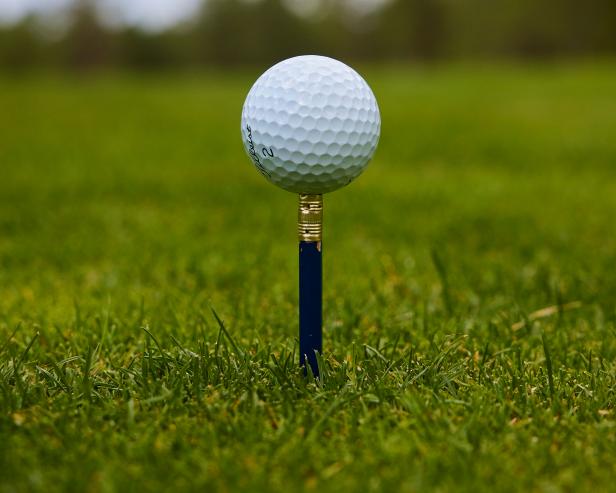
It’s within the rules to use any object to prop a ball up in the teeing area – provided it complies with the definition of a tee in the Rules of Golf and can be used in a way that complies with Rule 6.2(b) and the Equipment Rule outlined in Part 6 (1.).
Under Rule 4.3a, you can’t use equipment (other than a club or ball) that artificially eliminates or reduces the need for a skill or judgment that is essential to the challenge of the game.

 Australian Golf Digest