The interesting science behind Corey Conners’ silky smooth swing tempo.
Tempo has always been a key ingredient to Corey Conners’ game. It has been since he was a kid, he explained last year. His father taught him to play golf and, not versed in much beyond the fundamentals, emphasised good swing tempo instead of stressing over other technicalities.
“My dad really helped ingrain it into me: have good tempo, and hit the ball in the middle of the clubface. Giving yourself a little extra time to collect things and then unwind will give you your best chance of hitting a good shot,” Conners said.
One way the pair would work on this was to make swings with an exaggerated pause at the top of the backswing, Conners added. Backswing, pause, wait, downswing.
It was all very feel-based. It was only years later that Conners found out the science behind it.
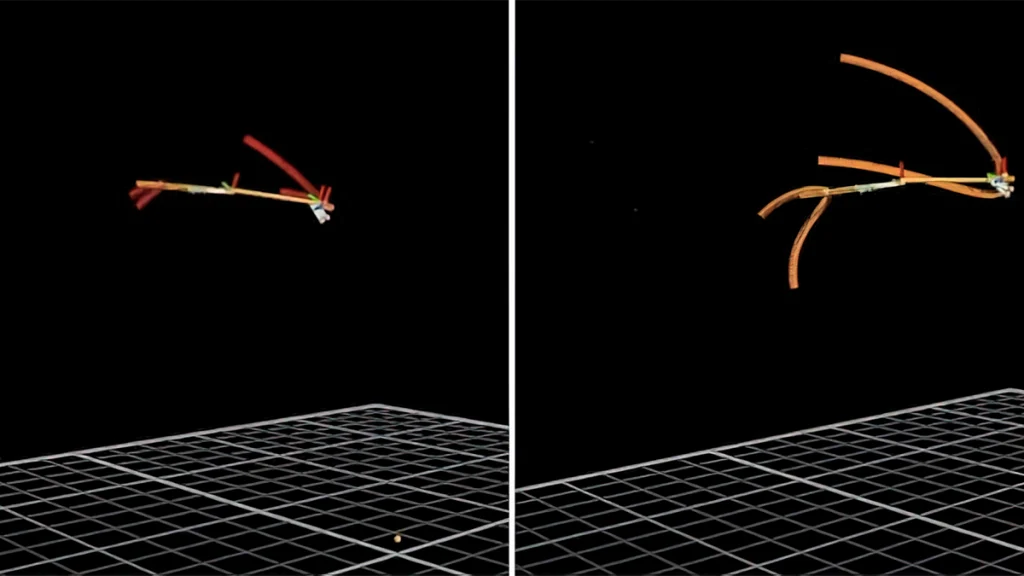
Backswing, pause, downswing
When Ping, Conners’ club sponsor, measured his and other tour players on their staff using their advanced 3D system ENSO, they found that Conners’ backswing was almost exactly one second long – 0.937 seconds, to be exact.
And not just that, Ping also found that when they analysed the forces Conners was applying to the golf club during the swing, they found a remarkably clean split between his backswing and downswing.
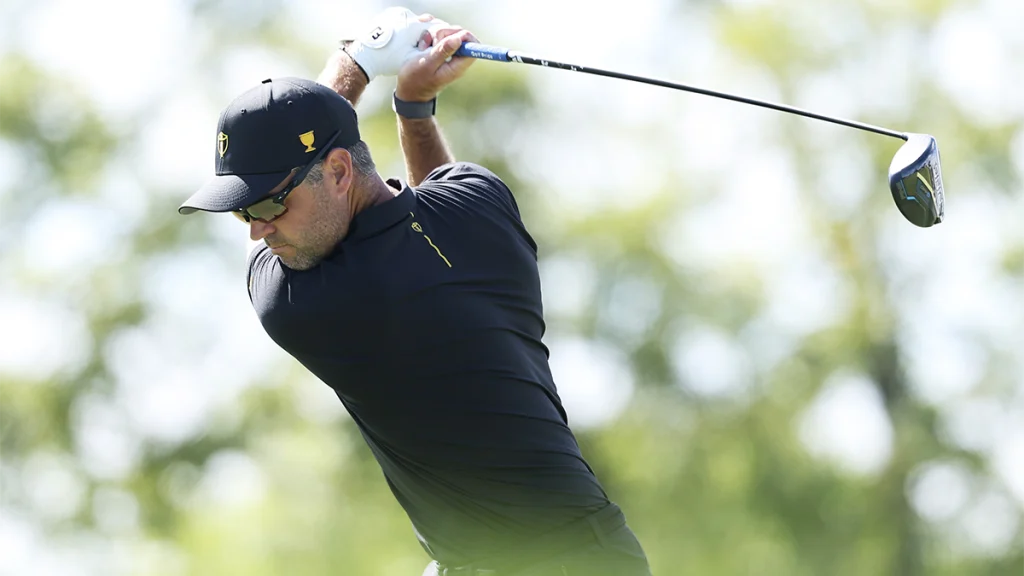
Whereas other players begin pulling the club down with their arms as the club is still setting on the backswing, giving their golf swing a faster, one-quick-motion look (think Jon Rahm), Conners comes to a near complete stop. His arms and club move back together, stop together, then move down together.
You can see how Conners’ golf swing compares to Viktor Hovland in these images [above]. The longer the lines, the more force is being applied to the club. Whereas Hovland’s club and hands are rapidly transitioning from backswing to downswing, Conners’ has come to a near complete stop by this point.
The result is a golf swing tempo that, in purely subjective terms, is pleasing on the eyes. It looks smooth and connected. And, who knows, it could soon have an Australian PGA Championship title to show for it.
Photographs by Getty images: Michael Reaves