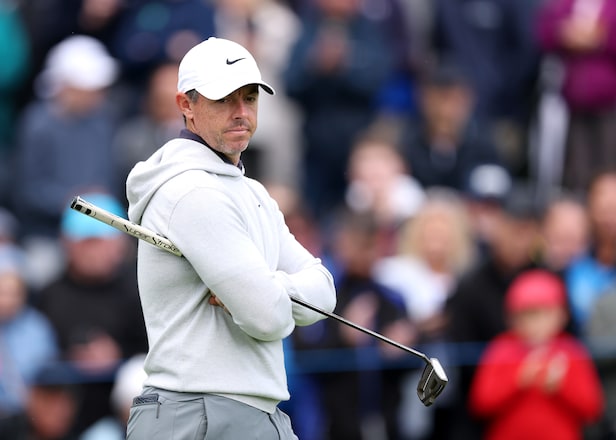
On Thursday, in the opening round, McIlroy got a sour taste in his mouth when his group – along with Thriston Lawrence and Kristoffer Reitan – was put on the clock for slow play twice, once early and again late.
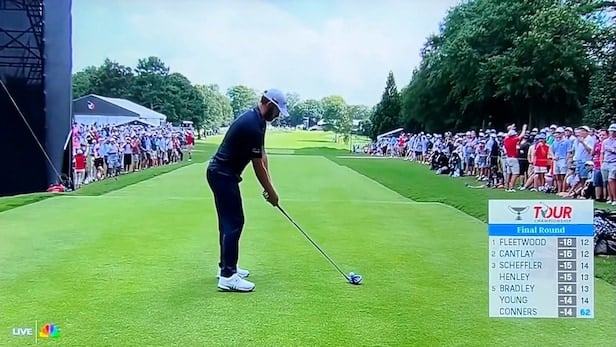
Everyone noticed Cantlay taking a long time over the ball, including the many, many times he shuffled his feet before pulling the trigger. Phil Mickelson took notice as well.
In what is a tale as old as time, it appears an on-course golf fight broke out over pace-of-play issues. Where this one stands out, however, is by how lopsided it was.
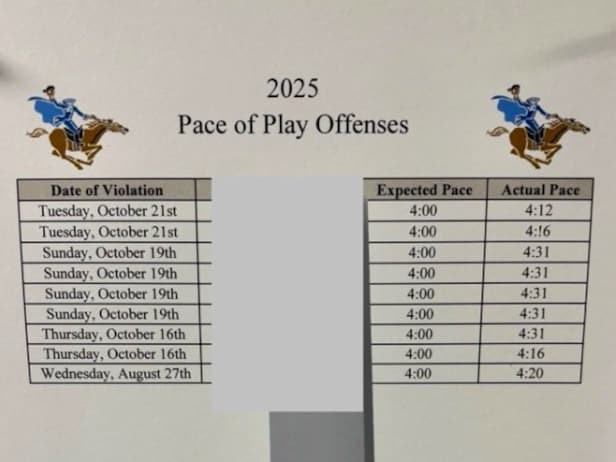
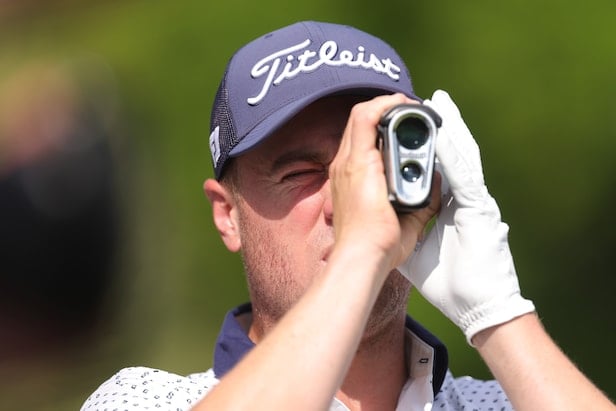
A recently completed trial using distance measuring devices and an ongoing study implementing a revised pace of play policy constitute the basis for an optimistic outlook that pace of play on the PGA Tour should improve in the 2026 season.
As the final groups began their rounds on Sunday, Thompson posted on Instagram about her experience at Erin Hills. She began by thanking the USGA, fans and volunteers for their efforts and saying that she didn’t have the week she’d hoped she would. And then she got into the pace of play.
Seven key changes are coming – some imminent, some potential and others, for now, mostly theoretical – that senior PGA Tour staff believe will usher in a new and permanent era of faster play on the circuit.
A LPGA spokesperson confirmed an updated pace-of-play policy was shared with players and will go into effect during the Ford Championship in March but said specifics of the policy would be made public next week.















 Australian Golf Digest