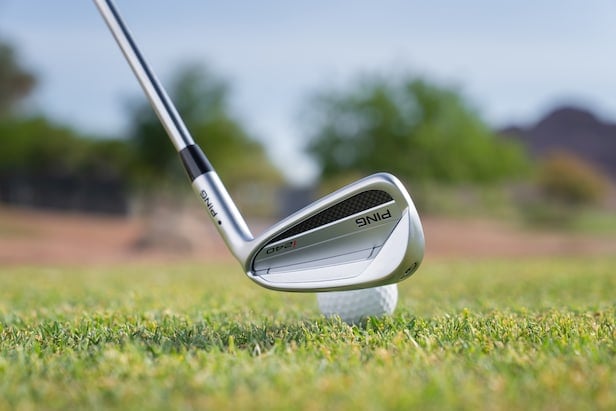
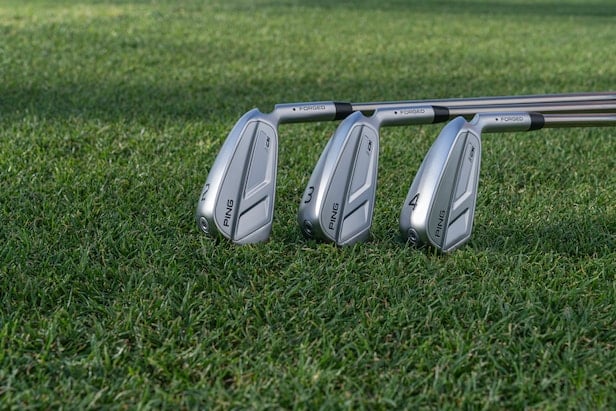
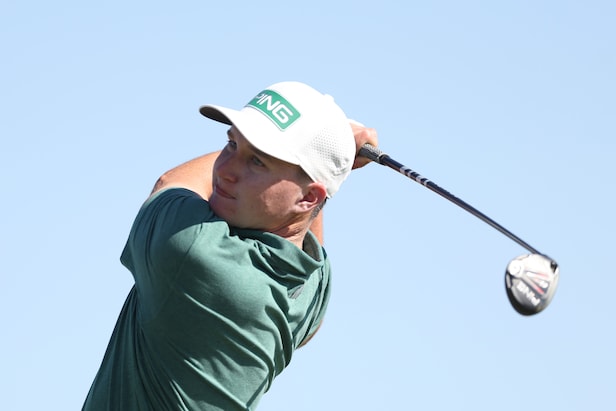
Kristoffer Reitan secured his first PGA Tour win at the Truist Championship, with new Ping equipment playing a key role in the Norwegian’s breakthrough victory at Quail Hollow.
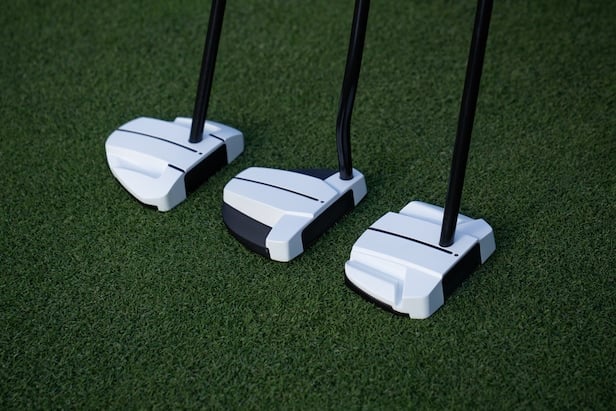
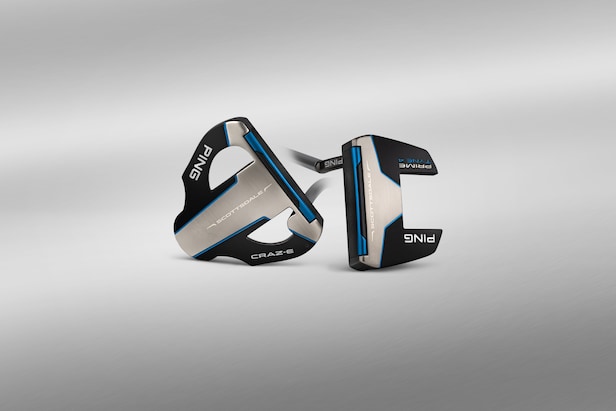
Ping introduces the G Le4 family, a complete line of clubs engineered for women. From forgiving drivers to high-MOI putters, these lightweight, custom-fit clubs help golfers play better, enjoy the game, and lower scores.
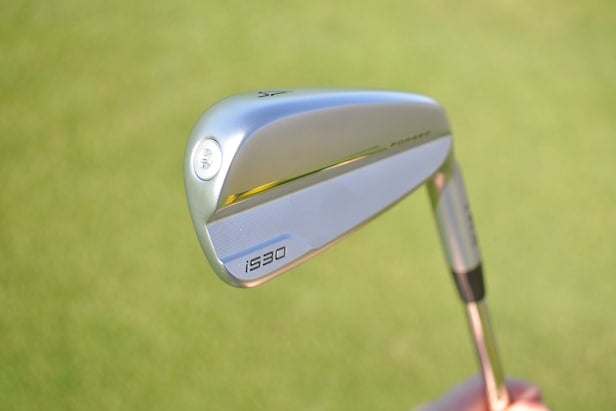
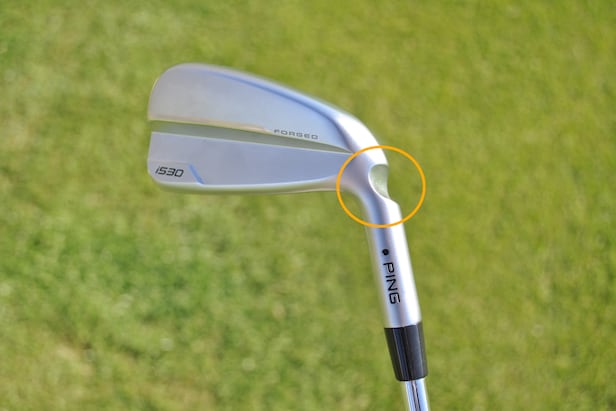
Not every hollow-body iron is created equal, but the category continues to evolve, offering players a unique combination of speed, forgiveness, and sleek aesthetics.
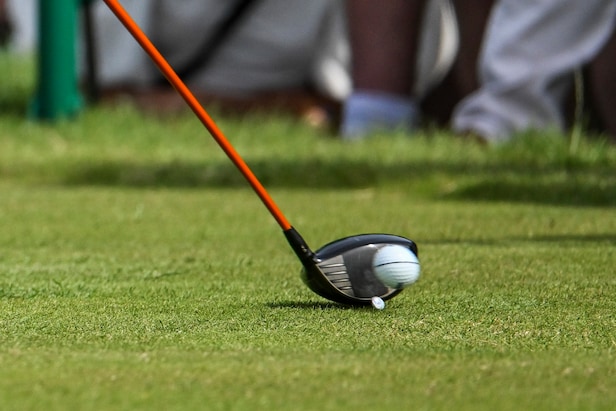
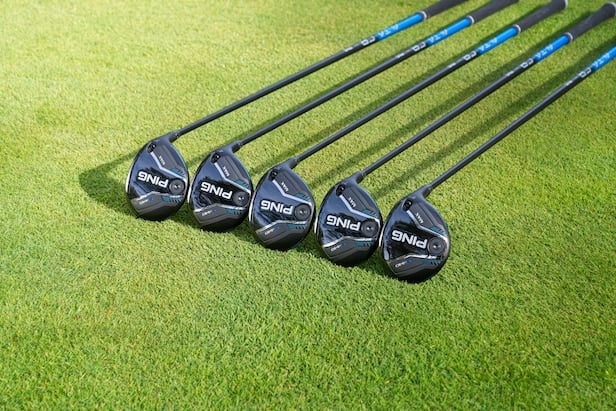
The Ping G440 fairway woods and hybrids both utilise a new internal hosel structure that frees room for the face to deflect while saving mass that can be used to lower the centre of gravity for easier, more spin-efficient launch.
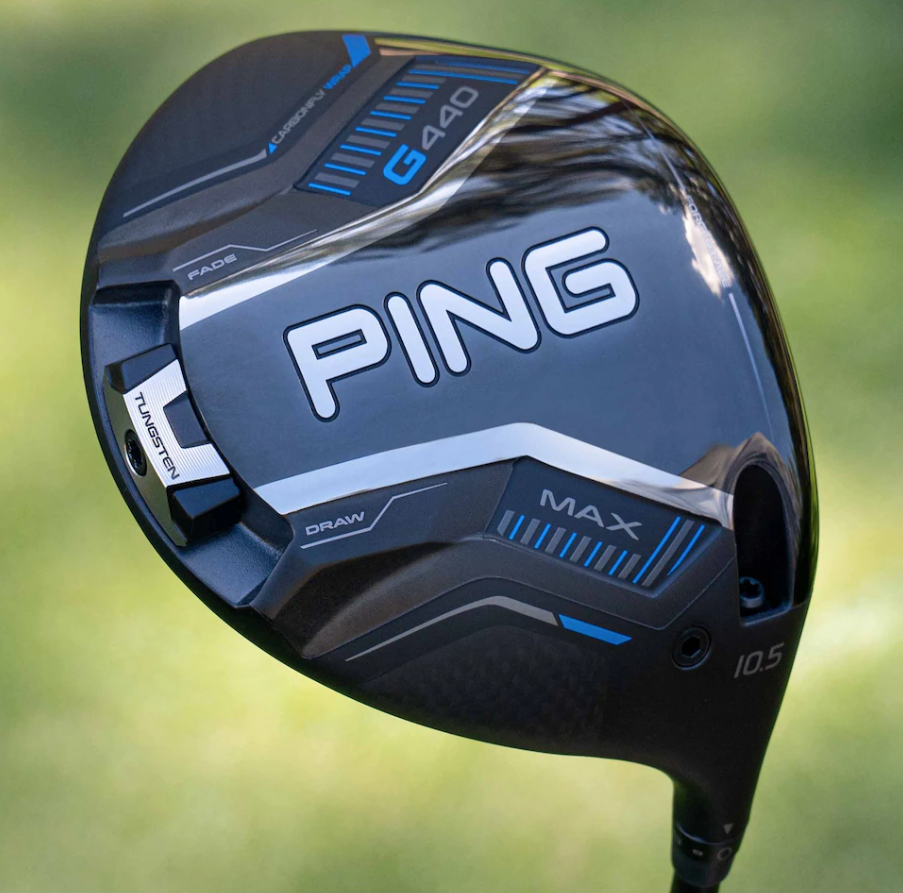
The Ping G440 driver line-up (G440 Max, G440 SFT, G440 LST) mixes something different with its traditional focus on forgiveness for a slightly new approach to more distance.
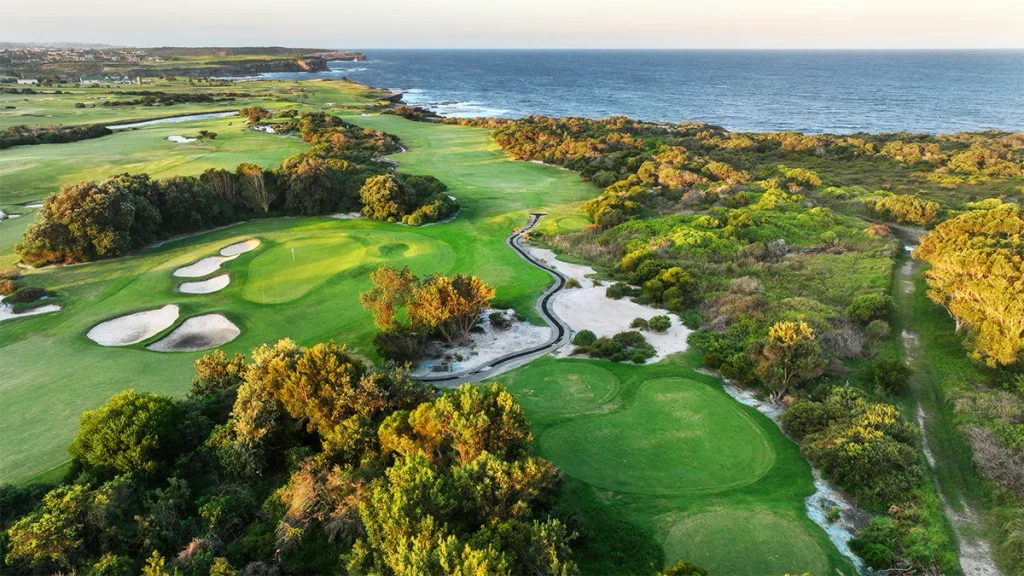
You wouldn’t think the 6,814-metre El Cardonal at Diamante course would yield to anything but a bomber, but Austin Eckroat navigated it skilfully – if without overpowering length – to capture the World Wide Technology Championship for his second win of 2024.

 Australian Golf Digest