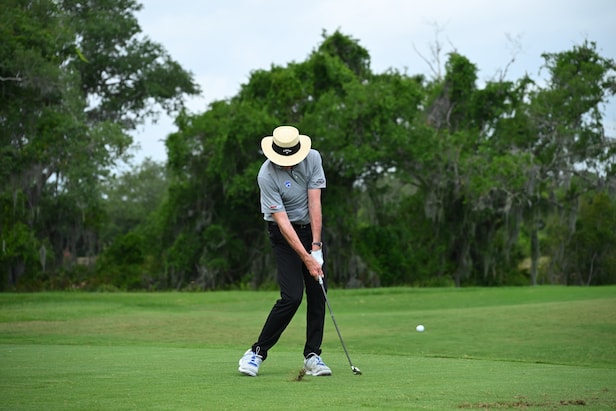
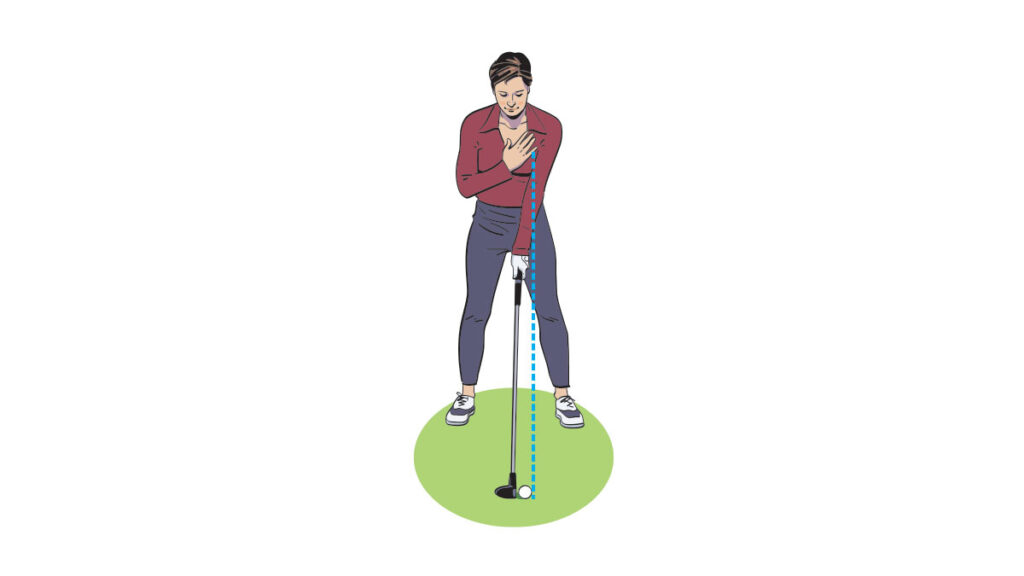
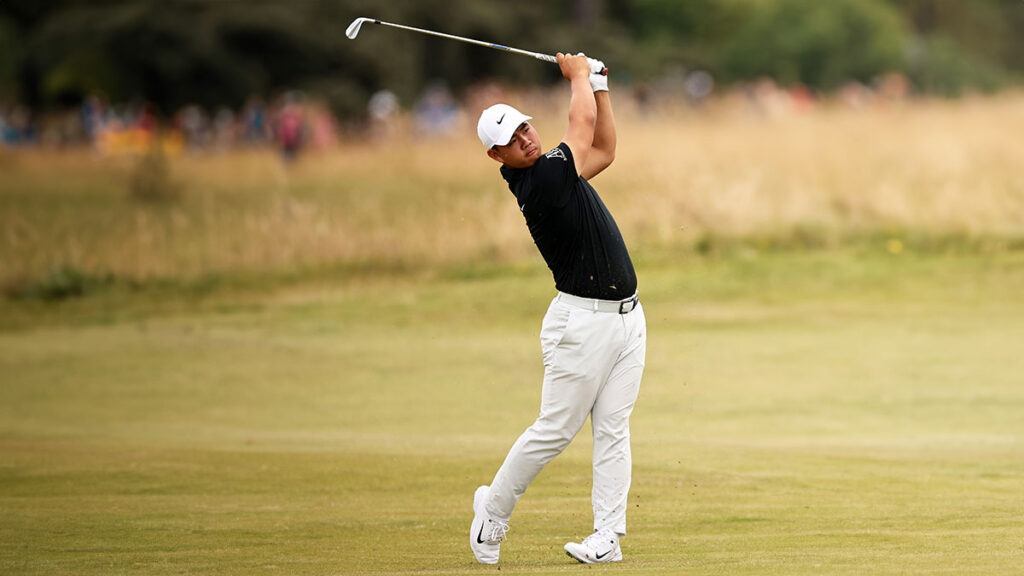
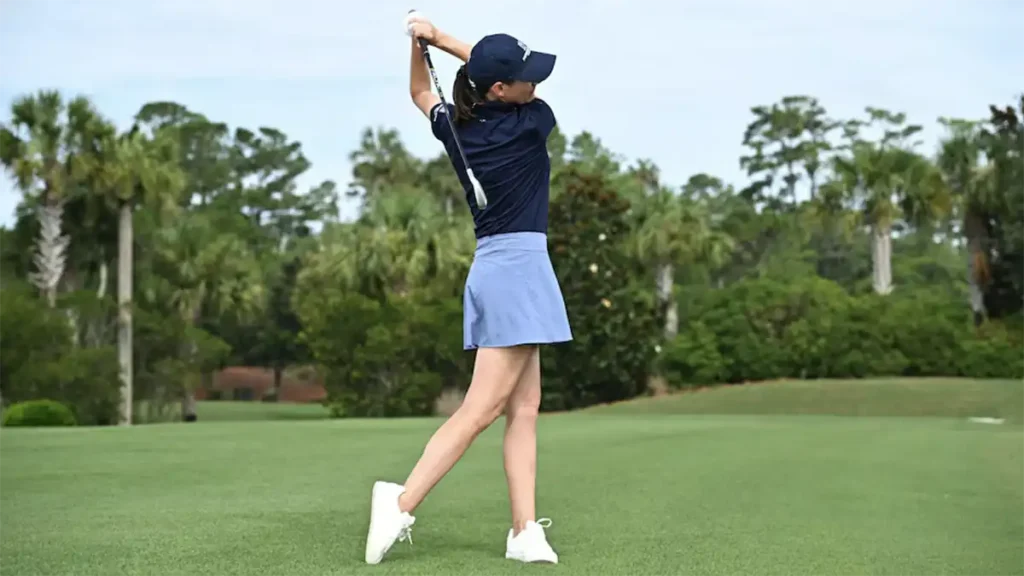
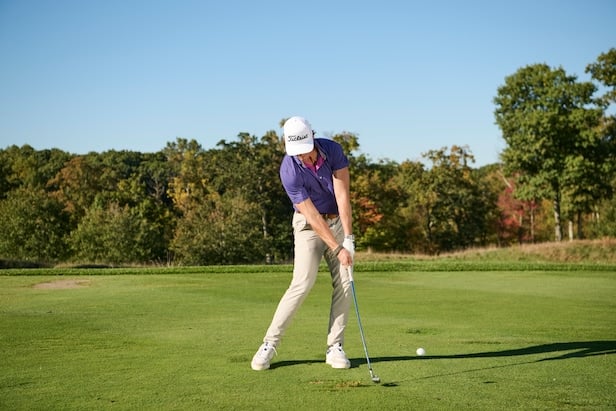
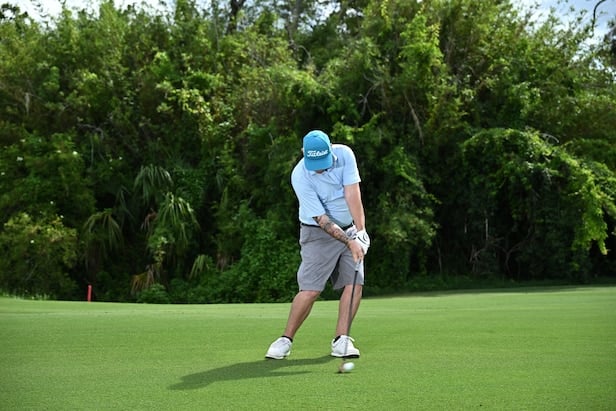
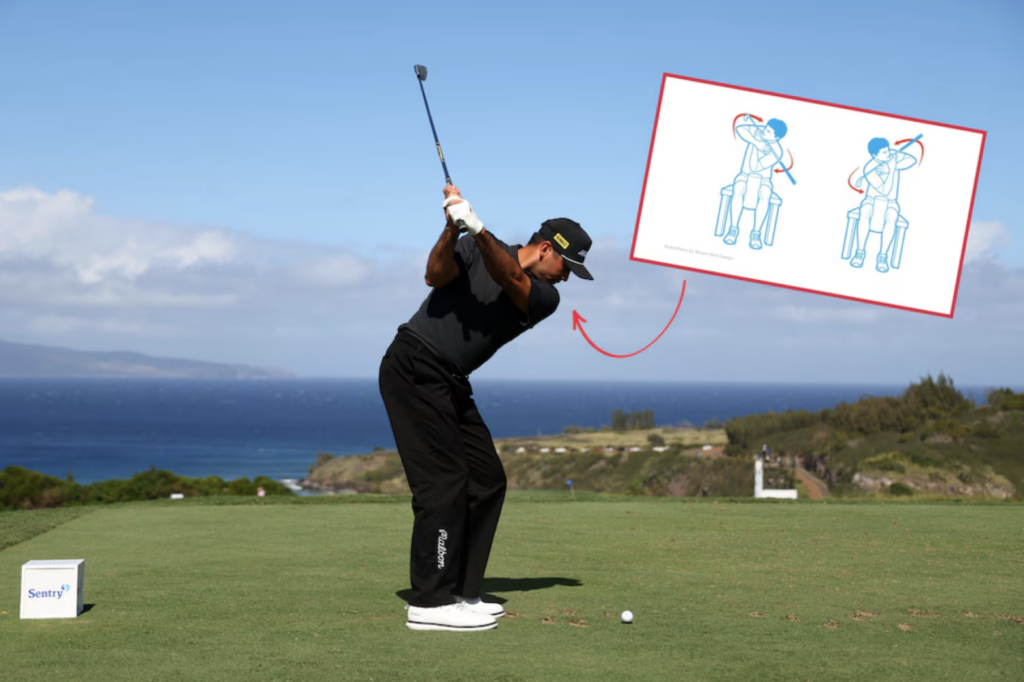
The goal on the downswing is to get the body and arms working together and for the low point of the swing to come after you strike the ball. Here are two drills to help with that.
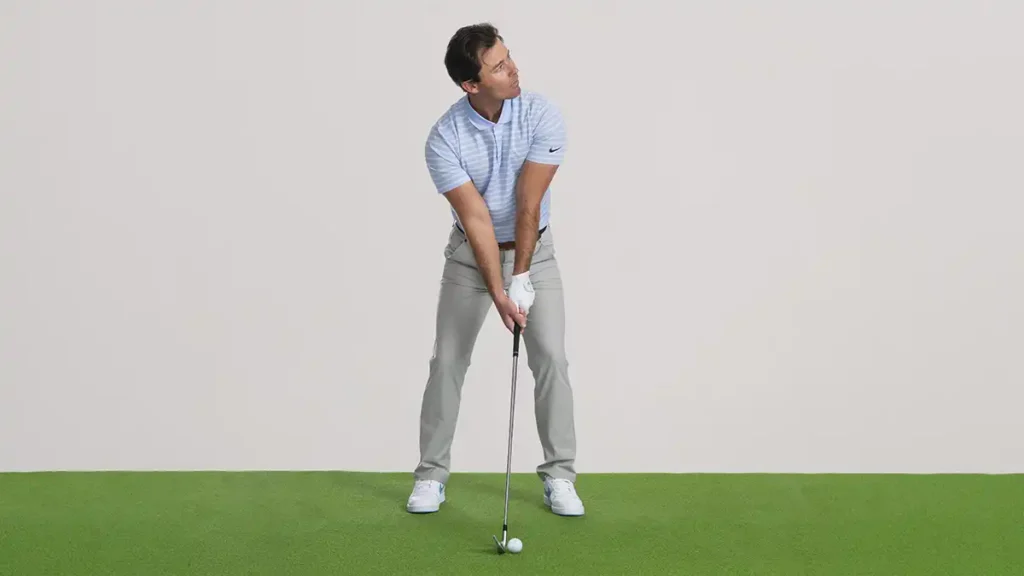
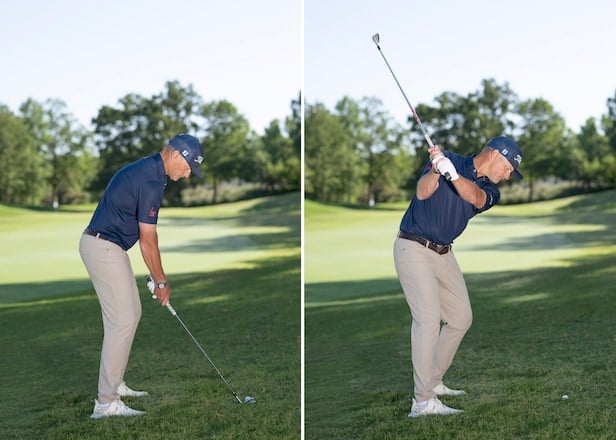
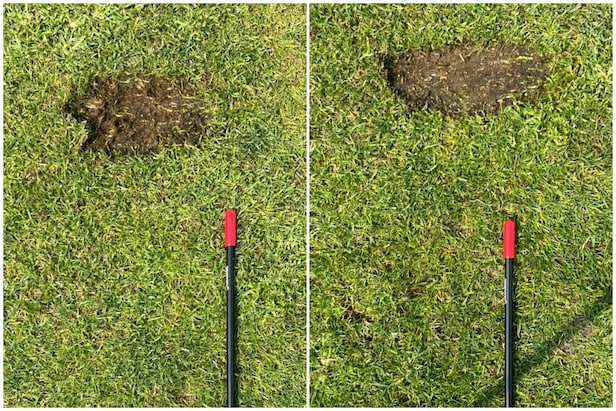
To fix the fats with your short clubs, try moving the ball forward in your stance, which promotes the proper weight transfer to your front side on the downswing and the ball-then-turf contact you want.
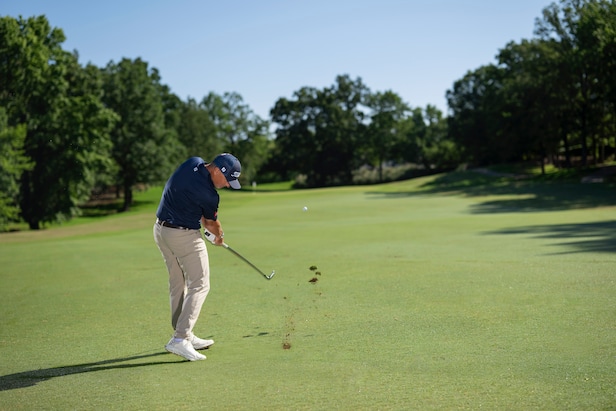
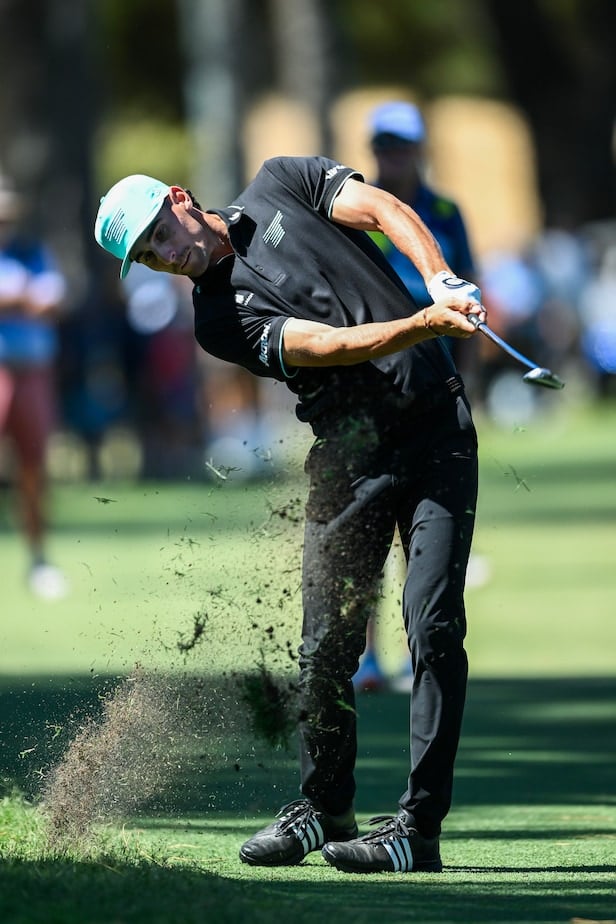
Making ball-first contact is the key to hitting crisp, consistent iron shots. Adding a little visual cue like this, simple as it is, can really help you do that.
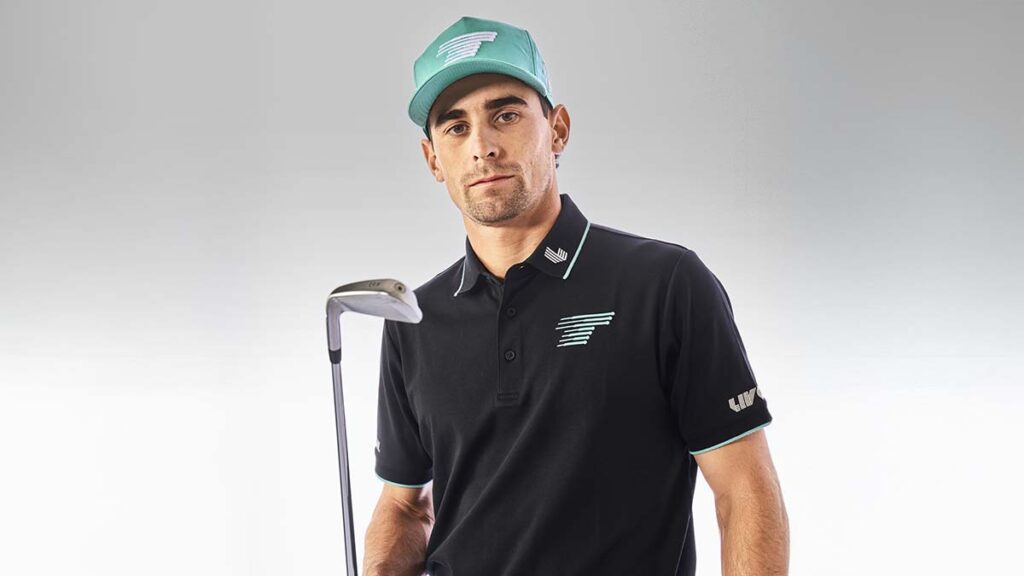
Davis Thompson, who is in the top-25 on the PGA Tour this year in strokes gained/approach the green, says the technique he’s been working on will also greatly help your game.


 Australian Golf Digest


























/_QBS3054.jpg.rend.hgtvcom.616.411.suffix/1720710554087.jpeg)