Q: Is there equipment that can help me regain distance? I’m 62 and 20 metres shorter than 10 years ago.
There are few scenarios in golf more dejecting than no longer being able to carry that bunker at the corner of the dogleg or having to go up two clubs on your favourite par 3. Although equipment by itself probably won’t erase a 20-metre loss, optimising your launch and spin conditions is a great place to start.
As swing speed drops, launch conditions are likely to change. If you’re launching the ball too low or spinning it too much, try adjusting loft. You can fiddle with driver settings, but it’s better to see a clubfitter. At least use a launch monitor to compare results. Rapsodo’s MLM2Pro, which we use at our Hot List testing, is reliable and portable.
You also should consider a lighter shaft. That can increase swing speed, but it might not produce a better strike. A lighter club can lead to wild golf swings, but see if it works for you.
With the irons, if you’re still swinging heavy steel shafts, a lightweight steel or graphite option could help. Also, a number of today’s irons have springier clubfaces. In wedges, a cavity-back head style and lighter shaft might be easier to hit than traditional muscleback wedges.
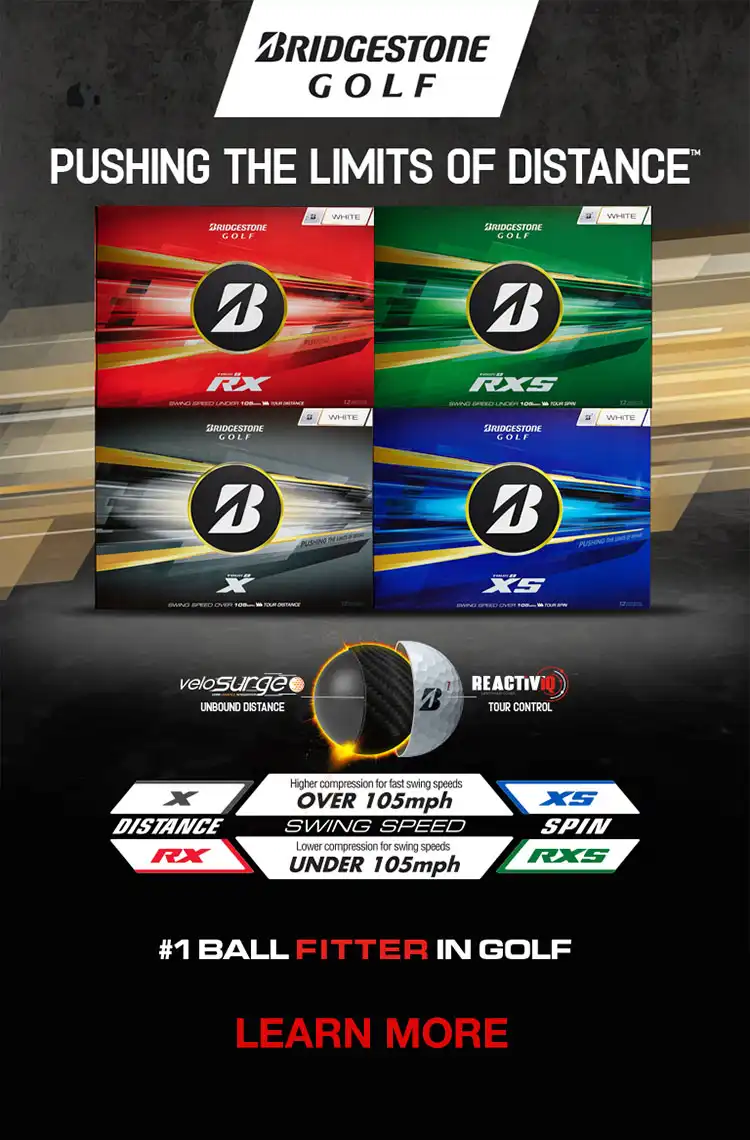
Don’t forget your golf ball. You can customise it for a more efficient flight. For example, you can’t hit Bridgestone’s Tour B X with medium speed and expect much distance. Just ask Fred Couples.
“At this point in my career, the Tour B RX [for swings below 105mph] fits me best,” Couples says. “I can swing smooth and get the distance and control I want.”
In short, there’s no silver bullet. Add up a few small gains, and you’ll see a difference. Are you going to find 20 metres? With the driver, it’s possible. The best approach is to check for deficiencies with your current equipment.
Q: I’m planning to buy a set of woods online. How can I tell if they’re authentic?
“Buying online” can mean a lot of things. There are reputable sites like Golf Galaxy and PGA Tour Superstore, then there are huge auction sites like eBay. Most sellers are legit, but the internet is a haven for counterfeiters targeting people who buy on faith.
First, look at the product photos and the seller profile. If the seller is offering multiples of one item and the images look like glam shots, that’s a caution flag, especially with a new model. It’s strange if someone is trying to dump current models at a steep discount.
Let’s say you bought a club and aren’t sure. Here are a few things you can do to see if you’ve been duped. Check the font of the manufacturer’s logo and compare it to a logo from the company website. Counterfeit fonts are often slightly off, usually darker or thicker.
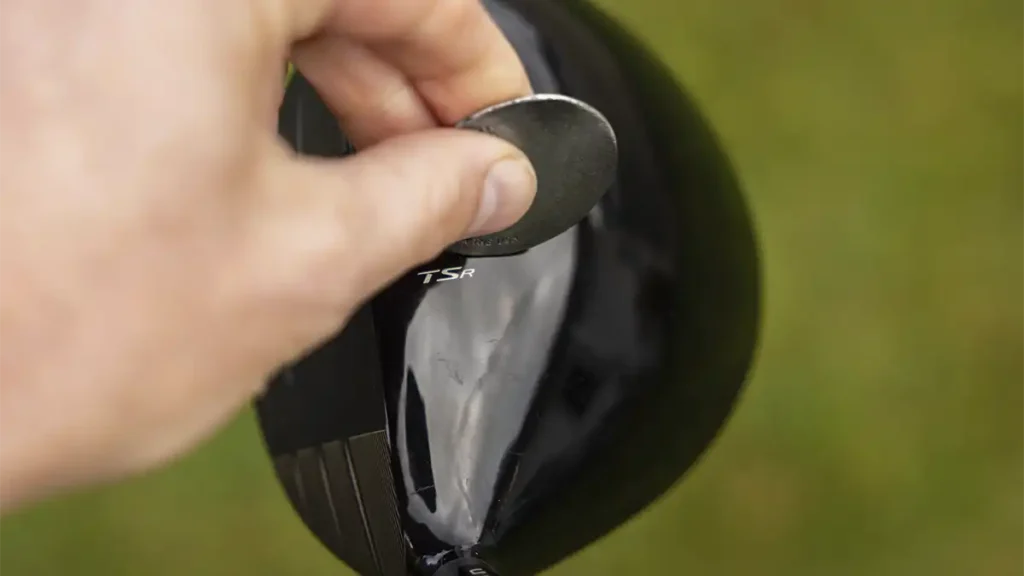
If the club is supposed to have a carbon crown, tap a coin on it [above]. If it rings like a bell, you’ve been had. Only titanium or stainless steel will ring. If the seller says the club is titanium and a magnet clings to it, it’s a fake. Magnets don’t stick to titanium. Finally, smell the grip: counterfeiters often use cheap rubber that has a pungent odour.
Bottom line: stick with an authorised dealer. It simply isn’t worth the risk.
Answers by Golf Digest equipment editors Mike Stachura, E. Michael Johnson and Jonathan Wall
Photographs by COUPLES: KEVIN C. COX/GETTY IMAGES; CLUB IMAGE: STEPHEN DENTON