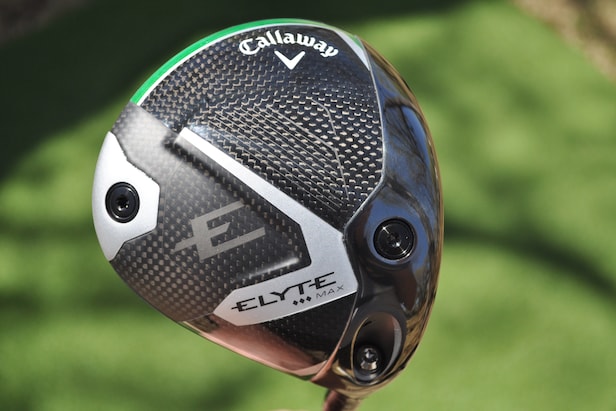
As mini drivers continue to surge in popularity, golfers are demanding more versatility from a club originally designed almost exclusively for the tee.
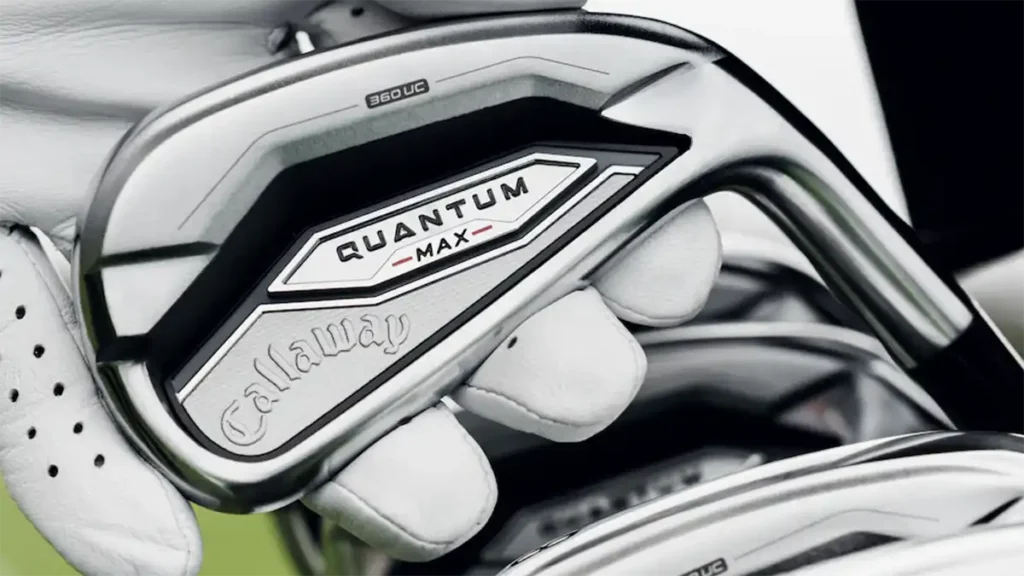
Callaway’s Quantum fairway woods are built to protect performance on imperfect strikes, particularly low-face contact, while the Quantum hybrids are designed as true long-iron replacements.
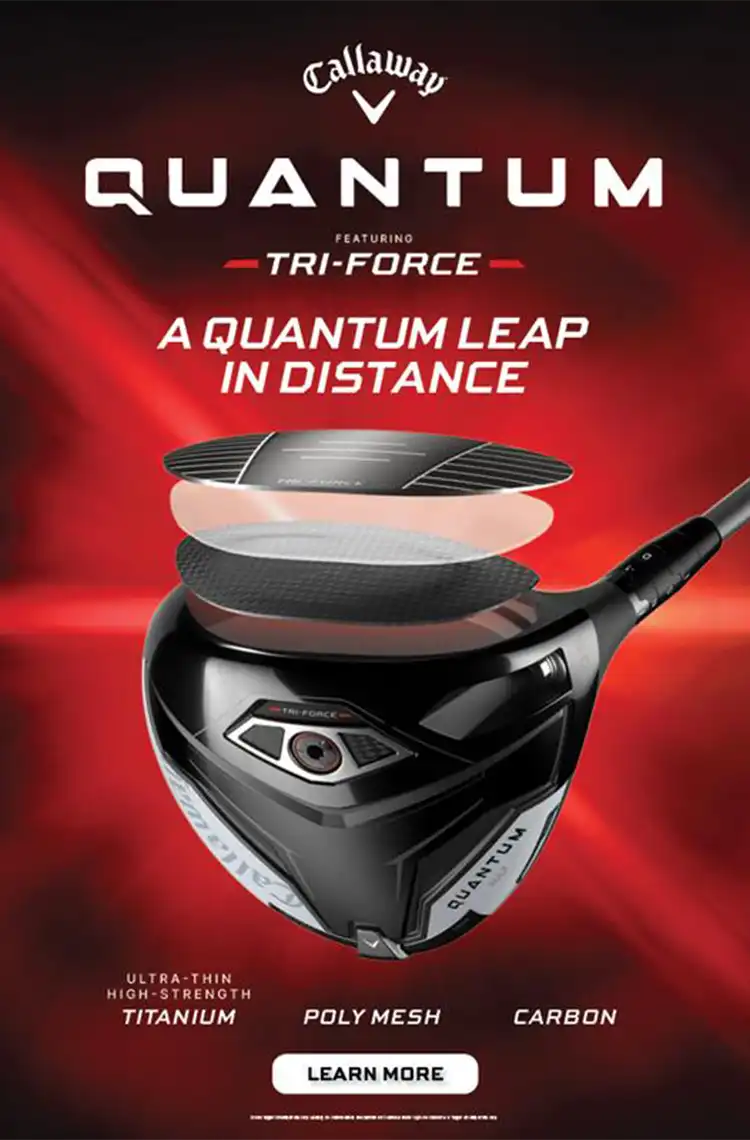
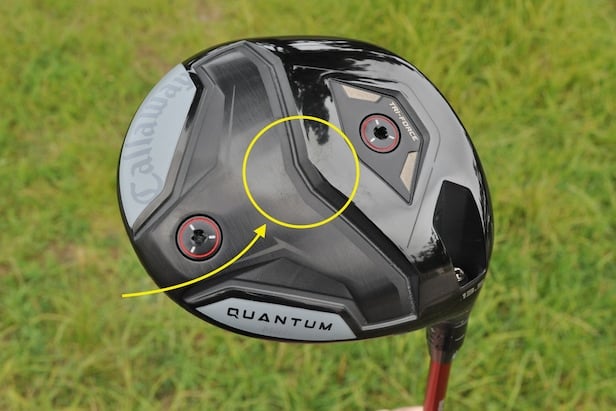
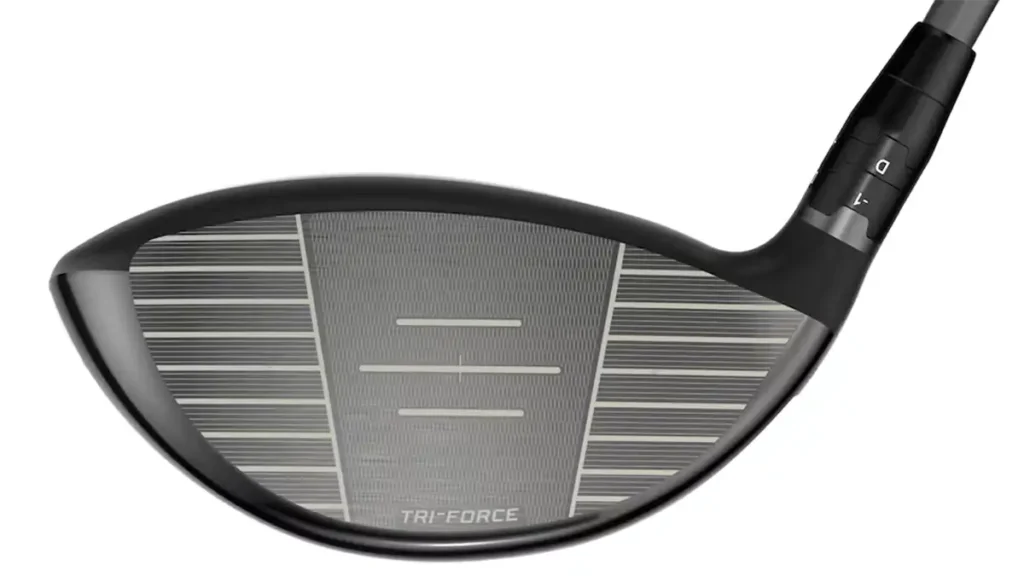
The five different Callaway Quantum drivers may look like the most complex array of offerings for a new driver family, but it’s the three-piece face design that heralds a complexity that easily is the most ambitious in the company’s four-decade history.
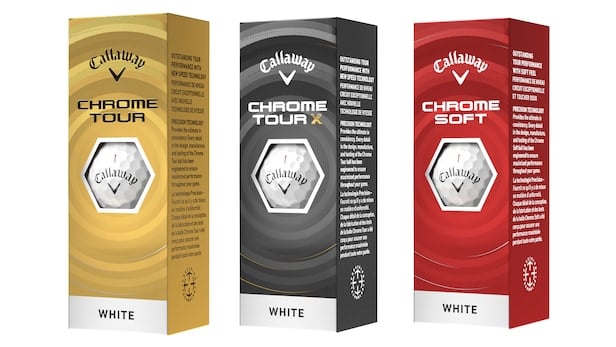
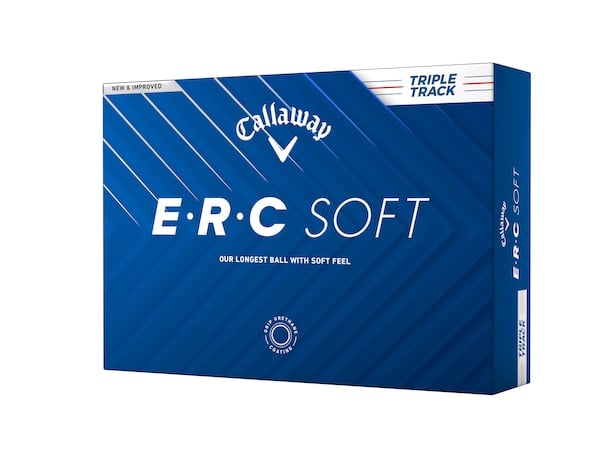
The next generation of Chrome series golf balls launches with a distinctive upgrade in a stronger, stiffer mantle layer designed to boost initial ball speed throughout all three models in the line.
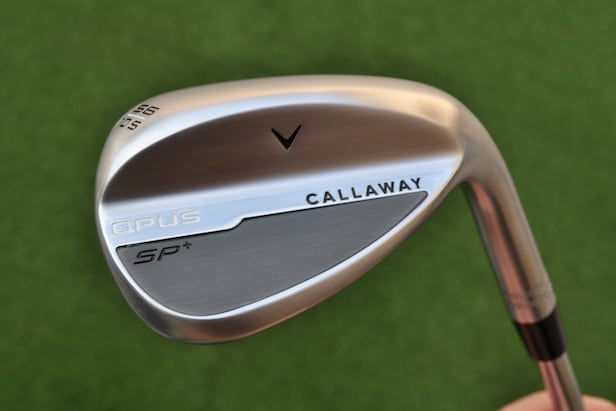
Callaway’s latest wedge introduction, the Opus SP, is designed to flight the ball lower to maximise control – a desirable trait for increasing scoring opportunities.
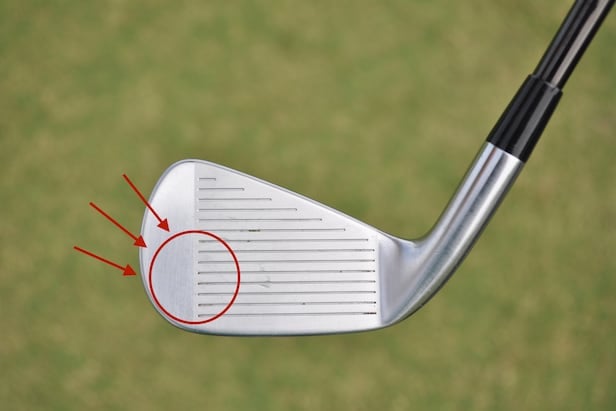
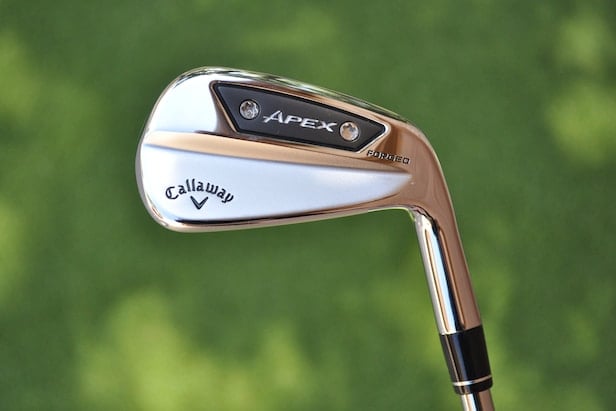
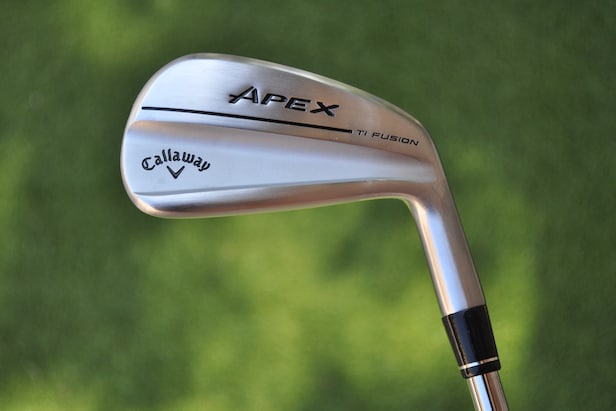
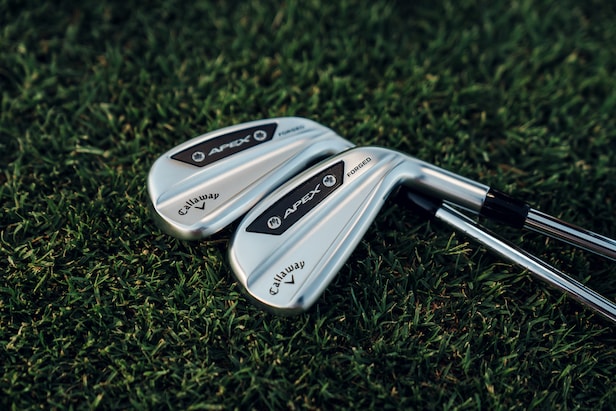
Better players seeking a blade-esque profile were left out when Callaway released its latest Apex Ai line-up. The introduction of Ai150 ticks all the boxes for golfers on the lower end of the handicap spectrum.
In a recent online exchange, L.A.B. Golf founder Sam Hahn was explaining why the company was dropping the “broomstick” terminology on its putters and replacing it with “sweeper”. The answer was eyebrow-raising.
Helmstetter’s greatest strength may have been in building an R&D juggernaut of young minds that would go on to lead both Callaway’s design philosophy and later other companies for decades.


 Australian Golf Digest